The Take
2004
No user ratings available yet
Diversity score: 6.3 out of 10
2009
GDirector
Carmen Garcia, German Gutierrez
Runtime
86 minutes
Average Rating
No ratings yetSynopsis
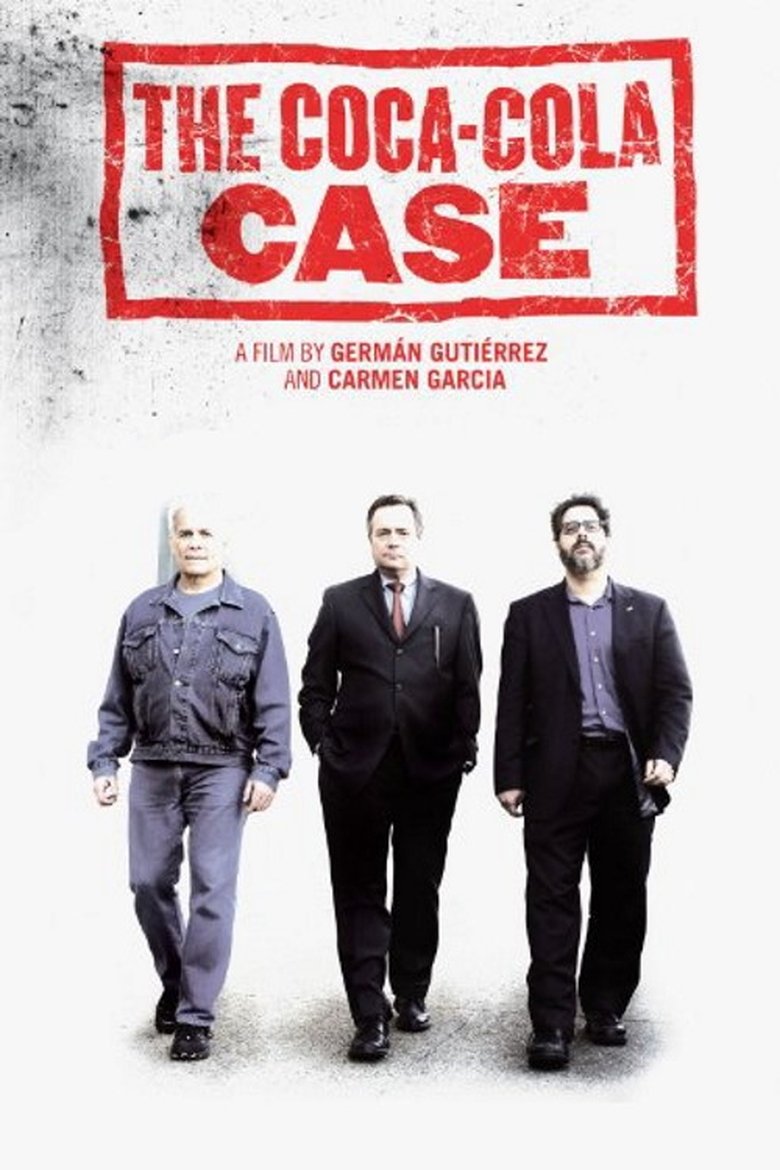
Two lawyers and labor rights' activists, Daniel Kovalik of the United Steel Workers of America and Terry Collingsworth of the International Rights Advocates, and their partner Ray Rogers of Corporate Campaign firmly believe that US multinational corporations should be held accountable for the shabby practices of their business associates throughout the world. To lead their battle, they resort to a law dating back to the origin of the American Constitution - The Alien Tort Claims Act - which allows foreigners to file suit in the U.S. against Americans who violate international laws. The film tells the story of their fight against one of America's stellar icons: the Coca-Cola company.
Overall Score
Good
Category Breakdown
LGBTQ+ Representation
The film focuses on labor rights and legal frameworks rather than identity-based narratives. There is no explicit evidence of LGBTQ+ characters or non-heteronormative themes.
Gender Representation
The narrative centers on male protagonists leading a legal battle. While it addresses the broader working class, it lacks specific evidence of female agency or subverted gender hierarchies.
Racial & Ethnic Diversity
The documentary prioritizes the agency of non-Western populations by centering foreign plaintiffs. It highlights the legal struggles of international workers against multinational corporate interests.
Religious & Cultural Diversity
The film offers a profound critique of Western institutions and capitalist icons. It utilizes an international human rights framework to challenge the power of globalized capital.
Disability Representation
There is no documented evidence regarding the portrayal of individuals with physical or neurodivergent disabilities.
Strengths
Areas for Improvement
AI Analysis
The documentary excels at deconstructing systemic power and corporate hegemony. By centering the legal agency of international populations, it provides a necessary critique of how Western corporations impact the Global South. However, the film remains conventional in its gender and identity representation. The focus on male-led legal advocacy means that LGBTQ+ and gender-specific narratives are largely absent from the core storytelling. Ultimately, the film's progressive value stems from its institutional critique rather than identity politics, making it a study of globalized human rights and accountability.
2004

2014
2010

2010

2023
2003

2008
2011

2021

2009

2009

2012
No reviews yet. Be the first to share your thoughts on this movie!
Use the rating form above to leave a star rating and optional review.