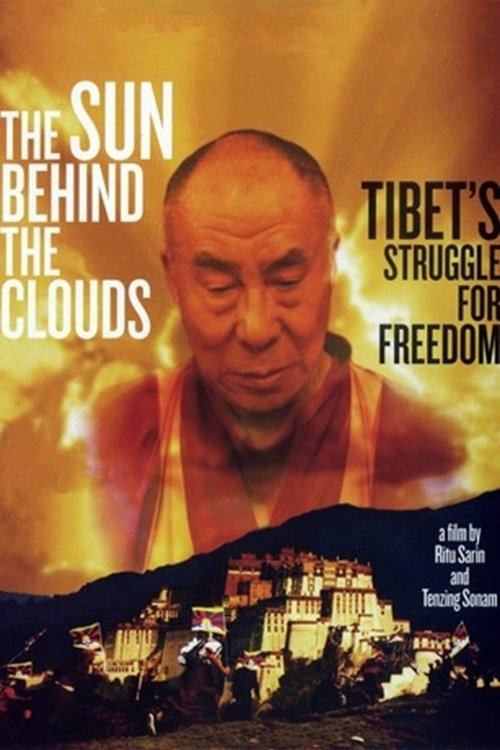
The Sun Behind the Clouds: Tibet's Struggle for Freedom
2010
No user ratings available yet
Diversity score: 7.7 out of 10
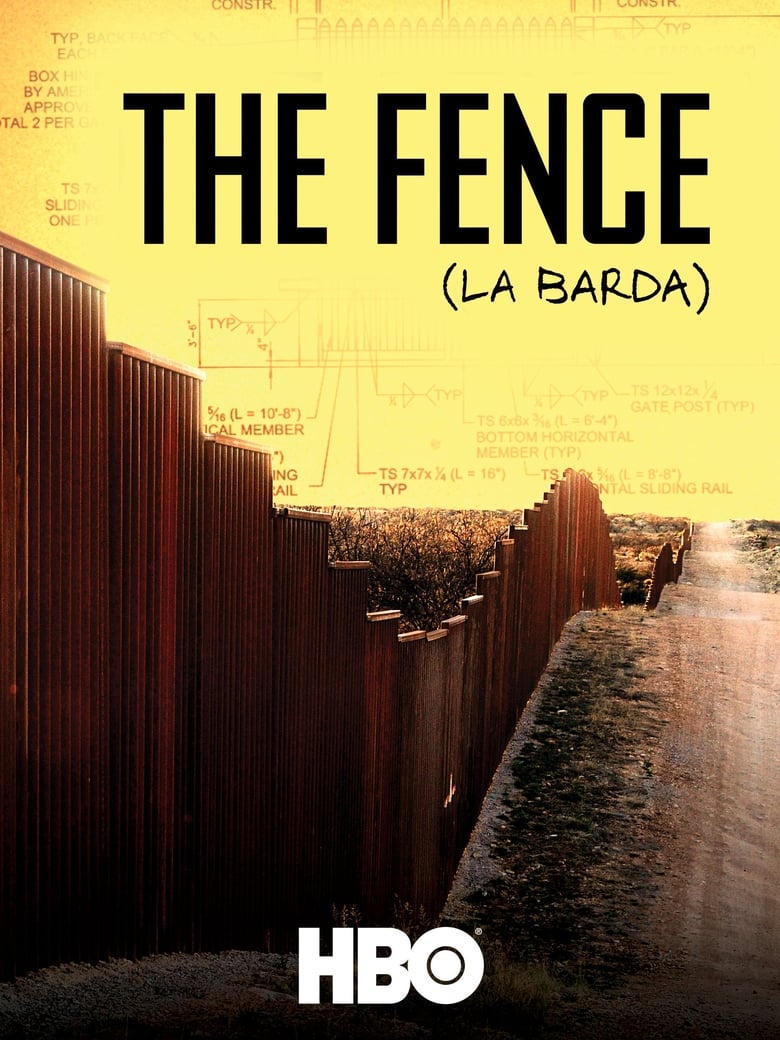
2010
Not RatedDirector
Rory Kennedy
Runtime
36 minutes
Average Rating
No ratings yetSynopsis
In Oct. 2006, the U.S. government decided to build a 700-mile fence along its troubled 2000-mile-plus border with Mexico. Three years, 19 construction companies, 350 engineers, thousands of construction workers, tens of thousands of tons of metal and $3 billion later, was it all worth it? When Arizona recently enacted one of the most extreme immigration laws in the country, the Obama administration responded by filing a lawsuit against the state. This dispute was merely the latest symptom of a greater national problem: the lack of a comprehensive, workable U.S. immigration policy. In its place, lawmakers have resorted to a series of half-measures, the most expensive of which — the U.S.-Mexico border fence — extends through the desert 150 miles south of the Arizona state capital.
Overall Score
Good
Category Breakdown
LGBTQ+ Representation
The film maintains a neutral stance regarding queer identities. It avoids derogatory tropes but does not center LGBTQ+ narratives as a primary lens for the border crisis.
Gender Representation
The documentary provides a nuanced view of women within the migrant community. It disrupts hierarchies by focusing on civilian vulnerability rather than state or military masculinity.
Racial & Ethnic Diversity
The film excels by centering Mexican and Latin American identities. It grants these populations agency through direct testimony, challenging Anglo-centric views of border security.
Religious & Cultural Diversity
The narrative critiques Western institutional power and nationalism. It prioritizes the struggles of marginalized, low-income communities over the preservation of traditional border sanctity.
Disability Representation
There is no prominent or sustained focus on visible or invisible disabilities within the documentary's narrative.
Strengths
Areas for Improvement
AI Analysis
Rory Kennedy’s documentary shifts the border discourse from state security to human rights. By utilizing a post-colonial framework, the film centers the lived experiences of those impacted by enforcement rather than focusing solely on government policy. The work is strongest in its portrayal of racial and ethnic identities, providing significant agency to Mexican and Latin American voices. This approach effectively challenges traditional Western notions of sovereignty and nationalism. While the film is highly progressive in its systemic critique, it lacks specific focus on LGBTQ+ or disability-related narratives. This results in a moderate score for gender and a neutral stance on queer representation.
2010

2014
2016
2006
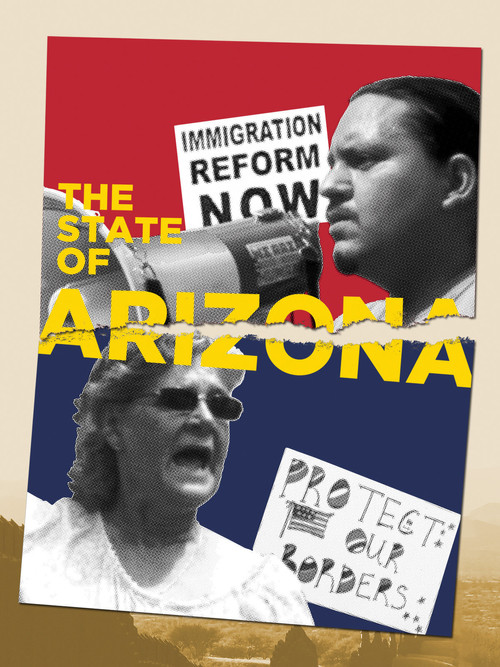
2014
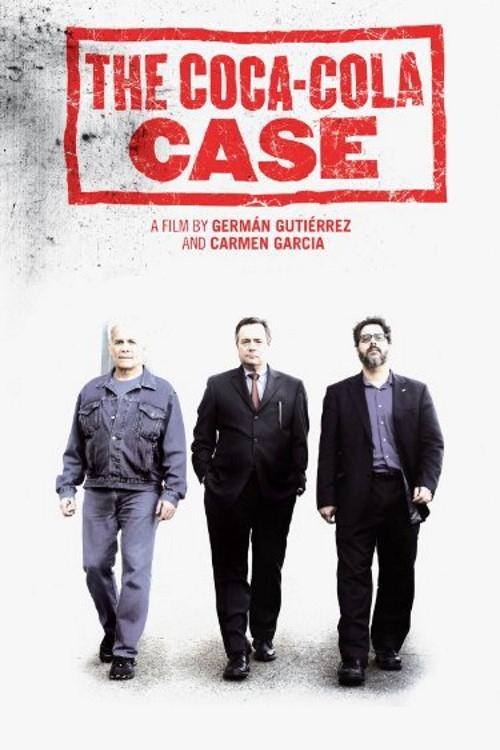
2009

2013

2007
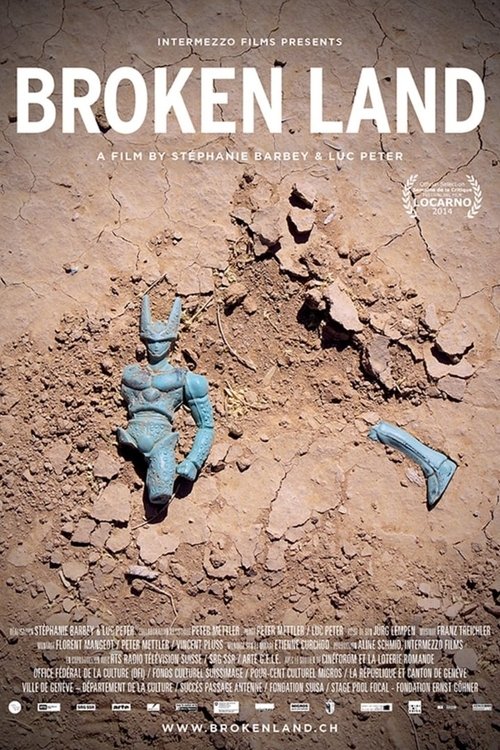
2015
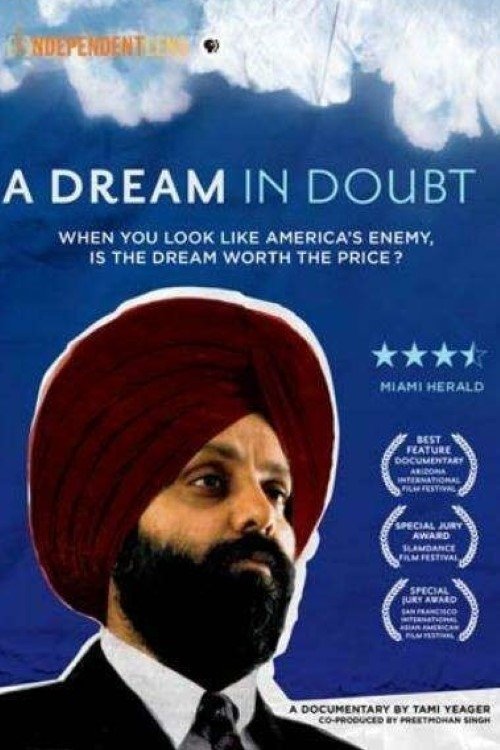
2007
2011
2013
No reviews yet. Be the first to share your thoughts on this movie!
Use the rating form above to leave a star rating and optional review.