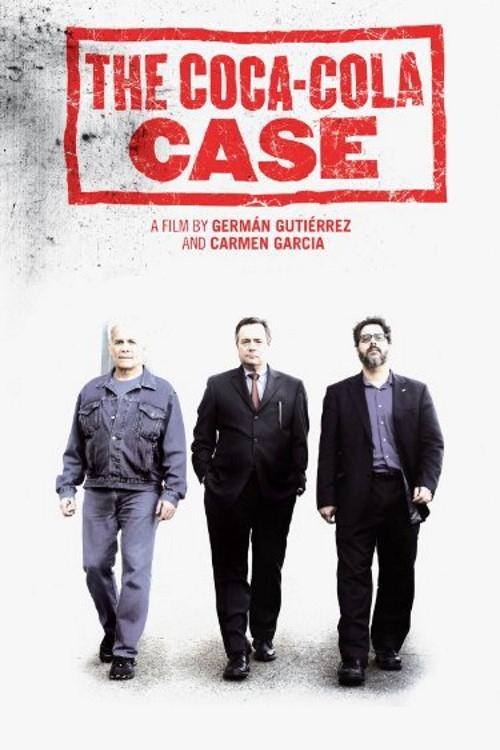
The Coca-Cola Case
2009
No user ratings available yet
Diversity score: 6.8 out of 10

2014
Director
Rachel Boynton
Runtime
99 minutes
Average Rating
No ratings yetSynopsis
For her latest industrial exposé, Rachel Boynton (Our Brand Is Crisis) gained unprecedented access to Africa's oil companies. The result is a gripping account of the costly personal tolls levied when American corporate interests pursue oil in places like Ghana and the Niger River Delta. Executive produced by Steven Shainberg and Brad Pitt, Big Men investigates the caustic blend of ambition, corruption and greed that threatens to exacerbate Africa’s resource curse.
Overall Score
Good
Category Breakdown
LGBTQ+ Representation
The documentary focuses on macro-economic corruption and industrialism. There are no visible LGBTQ+ character arcs or narratives addressing heteronormativity within this scope.
Gender Representation
The film centers on masculine archetypes of industry and politics. While it examines the personal tolls of greed, it lacks specific evidence of female agency.
Racial & Ethnic Diversity
The narrative places African agency at the heart of the investigation. By focusing on Ghana and the Niger River Delta, it disrupts a Western-centric gaze.
Religious & Cultural Diversity
The film critiques Western institutional influence and capitalist pursuits. It explores how these forces interact with and destabilize local structures and post-colonial resource management.
Disability Representation
There is no discernible evidence regarding the portrayal of physical or neurodivergent disabilities in this work.
Strengths
Areas for Improvement
AI Analysis
Big Men succeeds as a critical examination of systemic inequality and global power dynamics. By centering the investigation on the Niger River Delta and Ghana, the film shifts the perspective away from traditional Western-centric narratives toward the geopolitical realities of the Global South. However, the film's focus on the 'Big Men' of industry and politics results in a narrative that skews heavily toward masculine power centers. This creates a lack of visible female agency and leaves other social identities, such as LGBTQ+ individuals or people with disabilities, largely unrepresented. Ultimately, the documentary's value lies in its deconstruction of Western corporate hegemony. It effectively highlights the human cost and systemic instability inherent in globalized resource extraction.
2009
2016
2009
2010
2008
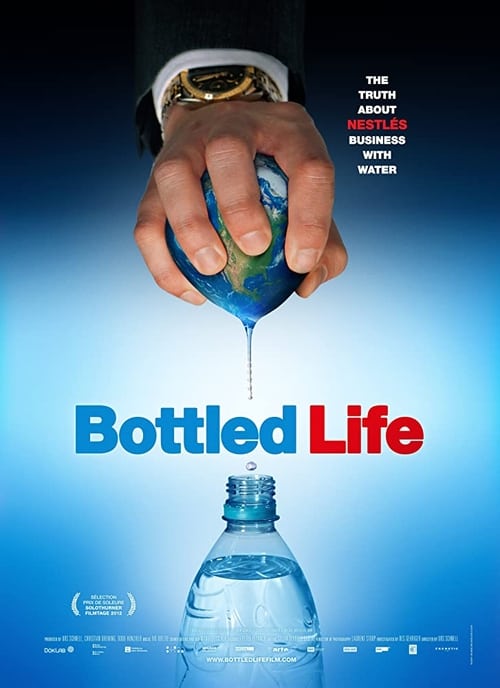
2012
2003

2017
2016

2021
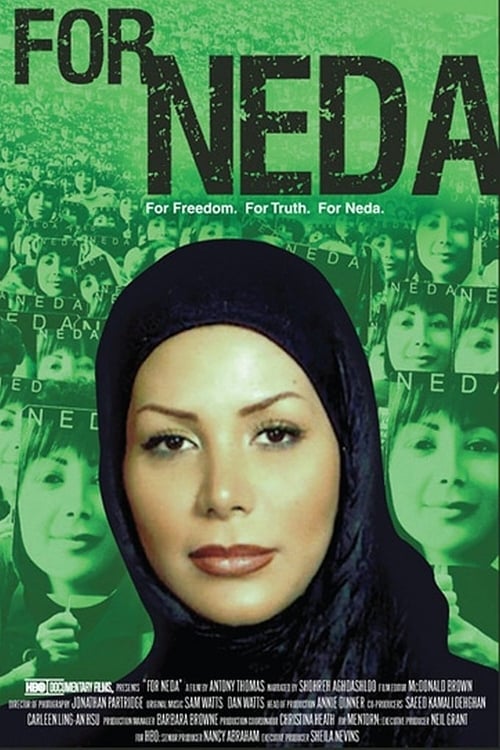
2010
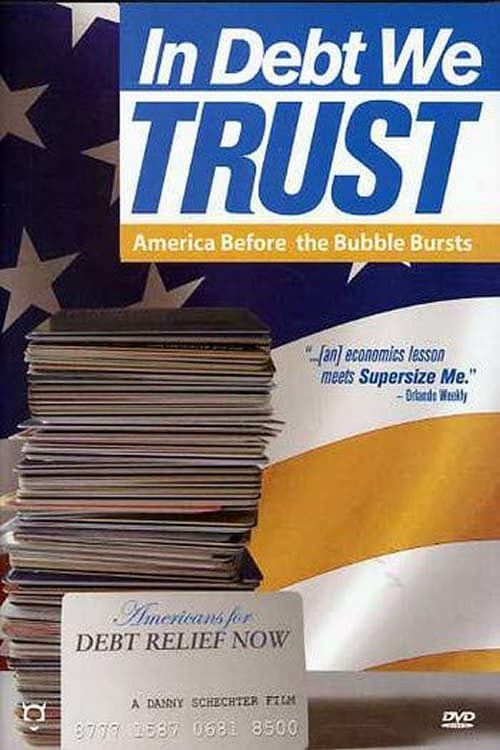
2007
No reviews yet. Be the first to share your thoughts on this movie!
Use the rating form above to leave a star rating and optional review.