There Goes the Bride
1932
No user ratings available yet
Representation score: 1.1 out of 10
Representation Score
Limited
1938
ApprovedAverage Rating
No ratings yetNew Showbiz Analysis
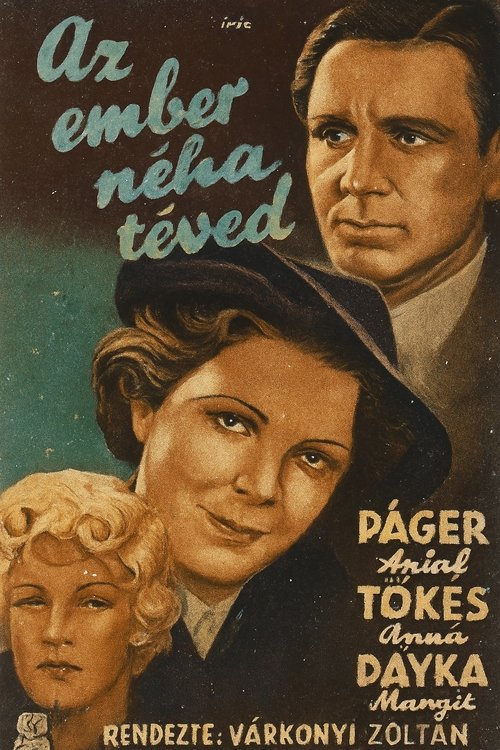
The film reflects its 1938 era, emphasizing established social hierarchies and traditional romantic clichés. The narrative structure relies heavily on class-based conflicts and straight-centered marriage dynamics. While Anna provides the central emotional drive, her motivations are tied to traditional roles of familial sacrifice. The social structure remains largely homogeneous, focusing on economic status rather than diverse identities. Overall, the film operates within the bounds of mid-century social decorum, offering little disruption to the period's conventional gender and cultural norms.
Category Breakdown
The film follows a traditional heterosexual romantic storyline centered around a marriage arrangement between a woman and a man. There are no visible LGBTQ+ identities.
Anna's role is driven by economic necessity and her willingness to enter an arranged marriage. She provides the emotional core of the story, but the film reinforces traditional gender hierarchies through the dominant male character.
The narrative highlights class differences between the poor and the wealthy. There is no indication of racial blending or challenging ethnic norms within this homogeneous social structure.
The plot centers on family preservation and social status through property and professional institutions. It adheres to the conventional Western values and social decorum of the mid-20th century.
The story does not include any characters with visible or invisible disabilities.
Present on Screen
Limited or Absent
Official Synopsis
Often, poor girls are forced into arranged marriages. Even poor Anna is willing to marry István Pap, the ageing lawyer of the radio company, just to save her father's failing radio shop. The wealthy groom is not averse to marriage, and he emphasises his status with an engagement gift. But the platinum brooch disappears without a trace. It is snatched by a pickpocket, who sets off on a "ring wander..."
1932
1955
1919
1915
1962
1931
1937
1968
No reviews yet. Be the first to share your thoughts on this movie!
Use the rating form above to leave a star rating and optional review.