The Armchair and the Grand Duchess
1943
No user ratings available yet
Representation score: 1.4 out of 10
Representation Score
Minimal
1962
Director
Gabriel Axel
Average Rating
No ratings yetNew Showbiz Analysis
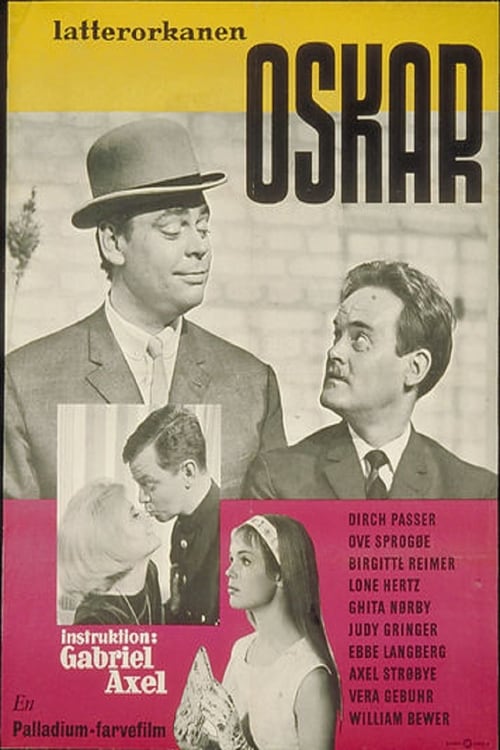
Oskar is a period comedy that emphasizes historical realism and class-based conflicts over modern identity-driven narratives. The plot revolves around the destabilization of 19th-century Danish social structures and the collapse of a patriarchal household. While the film challenges the 'stable patriarch' stereotype through comedic mishaps, it remains grounded in the demographic norms of its time. The narrative structure focuses on wealth, class, and familial disruption rather than the complexity of intersecting identities. Ultimately, the film serves as a character study of social upheaval, lacking the intentional demographic diversity necessary for a higher progressive score.
Category Breakdown
The film does not include any characters with non-binary gender identities or same-sex relationships. Instead, it focuses on traditional romantic relationships and disruptions to family lines.
Women play key roles in creating domestic chaos, challenging the stability of a patriarchal household through unplanned pregnancies and theft. However, these roles tend to follow traditional stereotypes rather than providing deeper systemic influence.
The story reflects the homogeneous society of 19th-century Denmark. It stays within a strictly European historical context without making efforts to blend different races.
The narrative examines the fragility of Western institutional stability and class hierarchies. It critiques the breakdown of the ideal family unit through individual social transgressions.
There is no mention of characters with physical or neurodivergent disabilities in the narrative.
Present on Screen
Limited or Absent
Official Synopsis
Oskar? That's my driver. And Tina, my maid, must have taken my suitcase with her to the baron - the one my daughter should have been engaged to. But now she is having a child with Oskar. And one of my people has stolen more than 300,000 DKR from me, because he wants to marry my daughter, who is not my daughter. And now the has girl run off with all of my jewels ..
1943

1964

1964
1972
1964
1961
1963
1964
No reviews yet. Be the first to share your thoughts on this movie!
Use the rating form above to leave a star rating and optional review.