
Mister Max
1937
No user ratings available yet
Representation score: 1.7 out of 10
Representation Score
Minimal
1937
Director
José Leitão de Barros
Average Rating
No ratings yetNew Showbiz Analysis
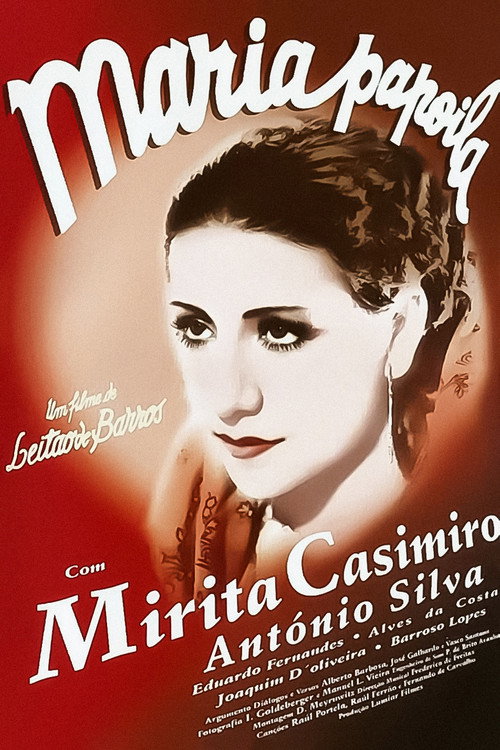
Maria Papoila is a deeply ethnographic work that prioritizes the preservation of traditional Portuguese identity. While the protagonist displays significant moral complexity and ability to act, her actions are rooted in classical feminine virtues of sacrifice and honor. The film reinforces existing social hierarchies, specifically the divide between the peasantry and the urban military class. It functions more as a celebration of national folklore and communal stability than a subversion of systemic structures. Ultimately, the film operates within the conservative social constraints of its era, focusing on romantic sacrifice and regional customs rather than diverse or non-traditional perspectives.
Category Breakdown
The film follows a traditional heterosexual storyline, focusing on a courtship between a shepherdess and a soldier. There is no representation of queer identities or non-straight relationships.
Maria Papoila serves as the moral center, showing a significant role in driving the story through selfless sacrifice. Her actions are framed through traditional feminine virtues such as honor and emotional labor, rather than social power.
The work focuses on a homogeneous Portuguese identity, reflecting the rural landscapes of the 1930s. It emphasizes a specific national identity without showcasing racial blending or diverse casting.
The narrative celebrates folkloric customs and regional music within established social hierarchies. It functions as a celebration of national heritage rather than a critique of religious or class structures.
Disabilities are not central to the character arcs or the progression of the plot.
Present on Screen
Limited or Absent
Official Synopsis
Maria Papoila, a shepherdess from Beira working in Lisbon, one day meets a rich young man, Eduardo, whom she assumes to be of her own social standing due to his uniform as a private soldier. Some time later, arrested as a suspect in a major robbery, Eduardo is abandoned by his selfish fiancée, Margarida, and it is the "soup girl" who, although despised in her dream and sacrificing her honor, appears in court as Eduardo's lover, and he is acquitted. Without asking for anything in return, Maria Papoila returns to her village.
1937
1955
1943
1938

1928

1937

1955
1956
No reviews yet. Be the first to share your thoughts on this movie!
Use the rating form above to leave a star rating and optional review.