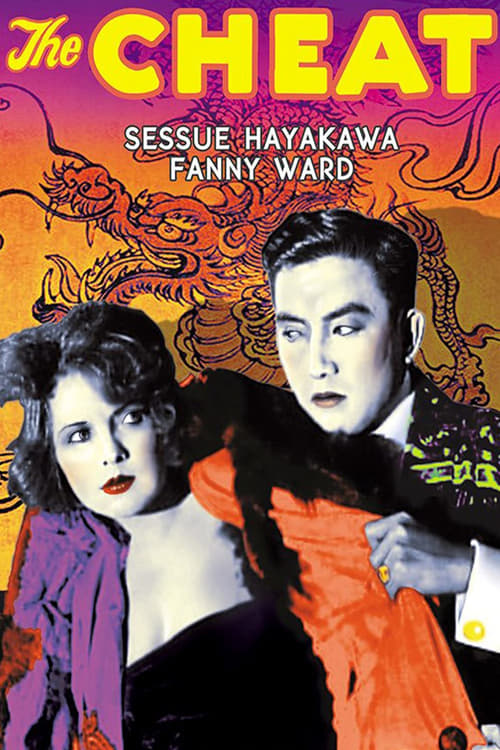
The Cheat
1915
No user ratings available yet
Representation score: 2.1 out of 10
Representation Score
Minimal
1915
NRDirector
Cecil B. DeMille
Runtime
74 minutes
Average Rating
No ratings yetNew Showbiz Analysis
The Golden Chance is a conventional early 20th-century melodrama that emphasizes class mobility and traditional romantic resolutions. It relies heavily on established social hierarchies and gendered clichés to drive its plot. The film lacks complexity in representing multiple aspects of identity, focusing instead on the protagonist's struggle to maintain social standing. While Mary shows some depth through her struggles with poverty, her value is ultimately tied to her ability to perform femininity for social gain. Overall, the work reflects the era's emphasis on maintaining social decorum and domestic hierarchies, offering very little in the way of diverse representation or non-traditional perspectives.
Category Breakdown
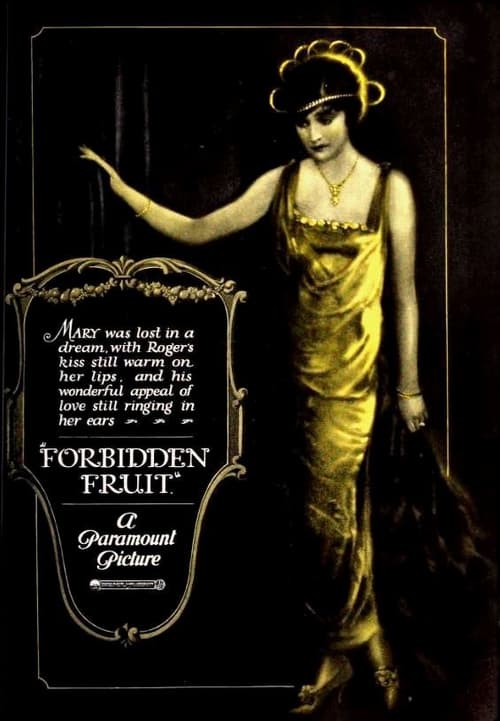
The film does not include any LGBTQ+ characters or representations of non-straight relationships. The story centers around a traditional romance between Mary and Roger Manning.
Mary plays a significant role in the story through her marriage choices, but her function remains tied to her appearance and social utility. She primarily serves to advance male business interests.
The story unfolds in a homogeneous Western social setting with no evident racial diversity or inclusion of different ethnic backgrounds.
The plot emphasizes traditional Western social structures and class distinctions. It operates as a cautionary tale about the consequences of breaking social norms through improper marriages.
No characters with visible or invisible disabilities are present in the narrative.
Present on Screen
Limited or Absent
Official Synopsis
Despite her well-bred upbringing, Mary had disobeyed her family’s wishes and married Steve Denby, a petty thief whose penchant for booze has left them destitute. Mary answers an ad to be a society woman’s seamstress and is hired by Mrs. Hillary. Mr. Hillary is trying to close a deal with Roger Manning and entices him by inviting him, as a dinner guest, to meet the “prettiest girl in the world.” Upon learning that the “prettiest girl” is indisposed, Mrs. Hillary, realizing that Mary had good upbringing, enlists Mary as a substitute. Naturally Mary and Manning fall in love, and, since the deal still isn’t signed, the Hillary’s hire Mary’s services for the weekend.
1915
1920
1921

1930
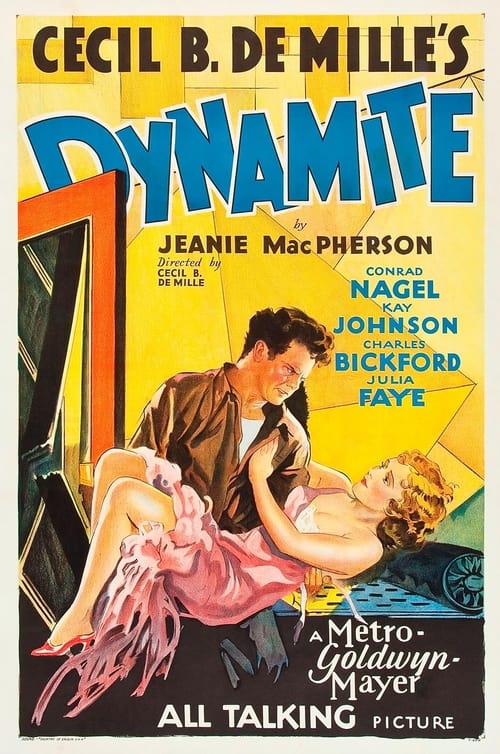
1929
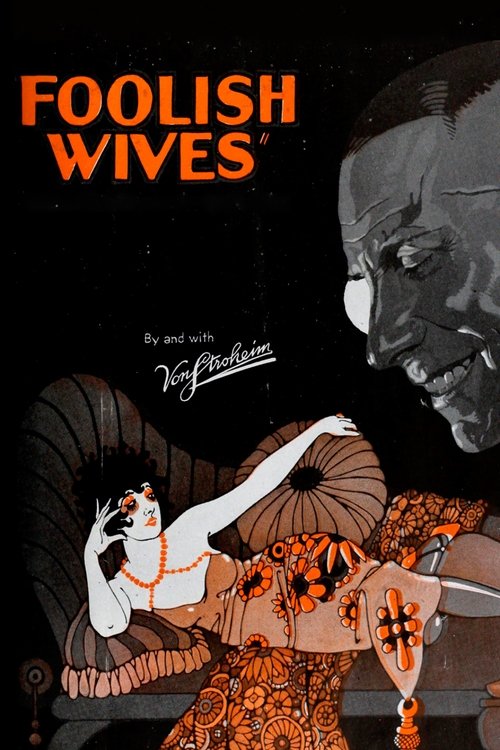
1922
1910
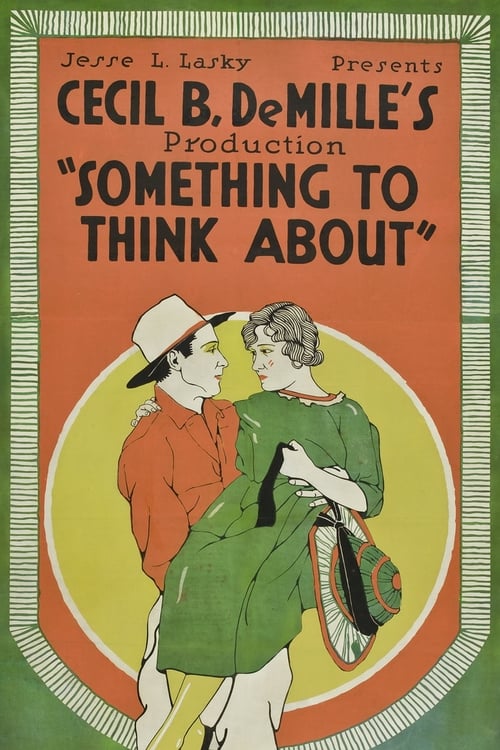
1920
No reviews yet. Be the first to share your thoughts on this movie!
Use the rating form above to leave a star rating and optional review.