To the Coast of Devon
1950
No user ratings available yet
Diversity score: 1.4 out of 10
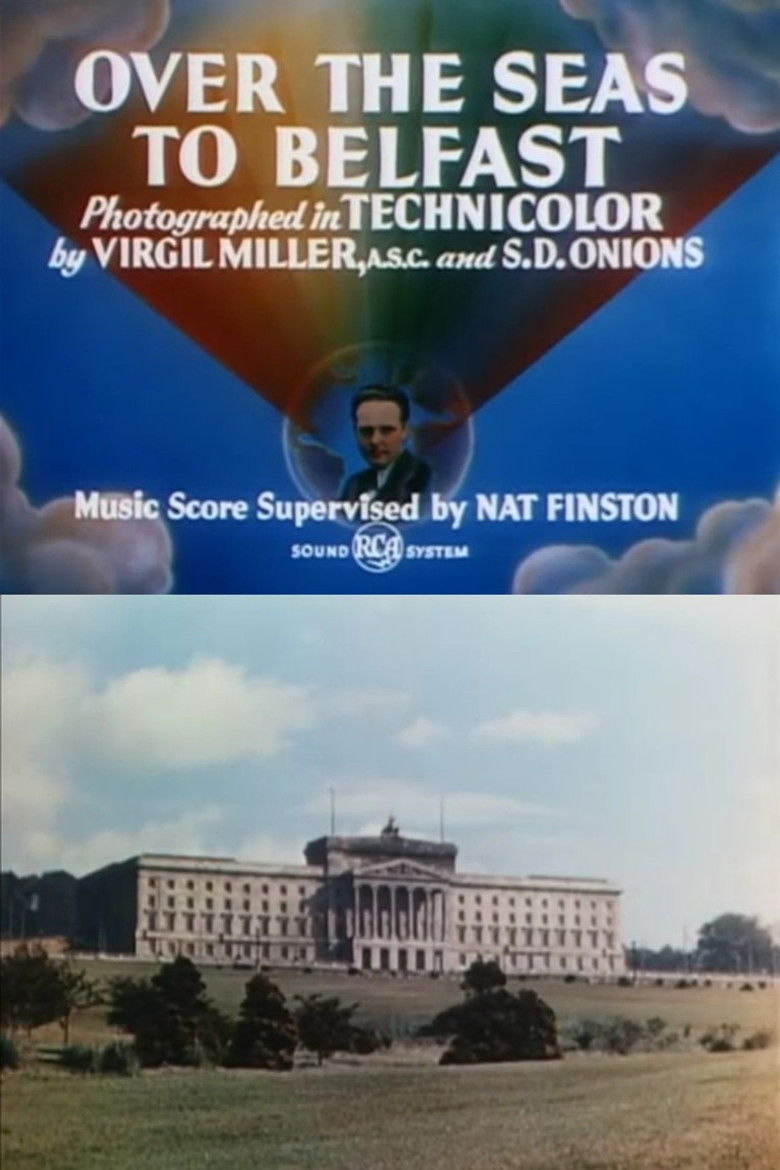
1946
ApprovedRuntime
9 minutes
Average Rating
No ratings yetSynopsis
This Traveltalk series short begins aboard the RMS Scythia as it exits Halifax Harbor. The Scythia is a cruise ship that was converted to a troop transport during World War II; in 1940 it carried children from Liverpool to New York as part of an evacuation program set up by the Children's Overseas Reception Board. The present voyage is among the first to carry civilian passengers from North America to the British Isles following the end of the war. Among the passengers are 150 child evacuees, who have spent several years growing up in Canada or the USA.
Overall Score
Limited
Category Breakdown
LGBTQ+ Representation
The film contains no documented presence of LGBTQ+ characters or non-cisnormative identities. It adheres to the heteronormative social structures of the mid-1940s.
Gender Representation
Narrative agency centers on masculine maritime operations and command. Women appear within domestic frameworks, reinforcing period-typical divisions between public and private spaces.
Racial & Ethnic Diversity
The passenger demographic is almost exclusively white, reflecting the specific historical context of British and Irish repatriation. It offers no disruption of traditional racial hierarchies.
Religious & Cultural Diversity
The film touches on Irish identity and post-colonial tensions. Catholic cultural markers serve as a central backdrop for themes of national belonging.
Disability Representation
There is no visible representation of neurodivergence or physical disabilities. The film focuses on the general health of evacuees rather than centering characters with disabilities.
Strengths
Areas for Improvement
AI Analysis
This Traveltalk documentary captures a specific historical moment: the post-WWII repatriation of child evacuees from North America to the British Isles. Because it functions as a historical travelogue, the film prioritizes the documentation of a specific demographic over the inclusion of intersectional identities. The work is a product of its era, reflecting the social constraints and homogeneity of the 1940s. While it provides insight into Irish nationalist sentiment and post-colonial tensions, it lacks representation of LGBTQ+ individuals, people of color, or those with disabilities. Ultimately, the film serves as a window into mid-century social structures, reinforcing traditional gender roles and racial hierarchies prevalent during the post-war resettlement period.
1950
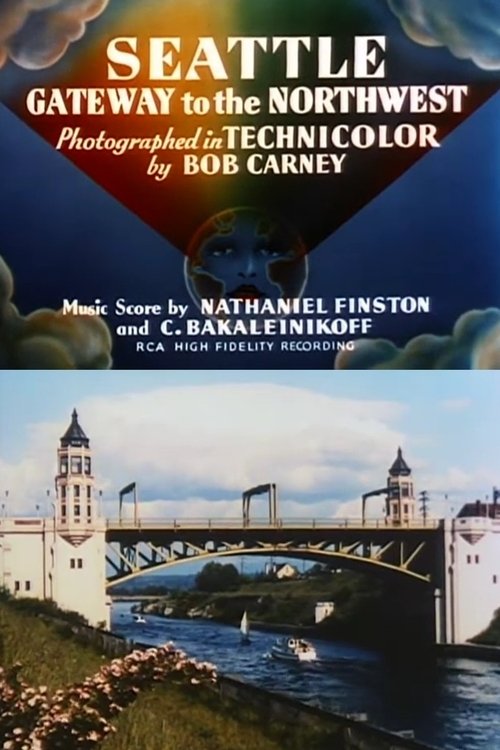
1940
1950

1960
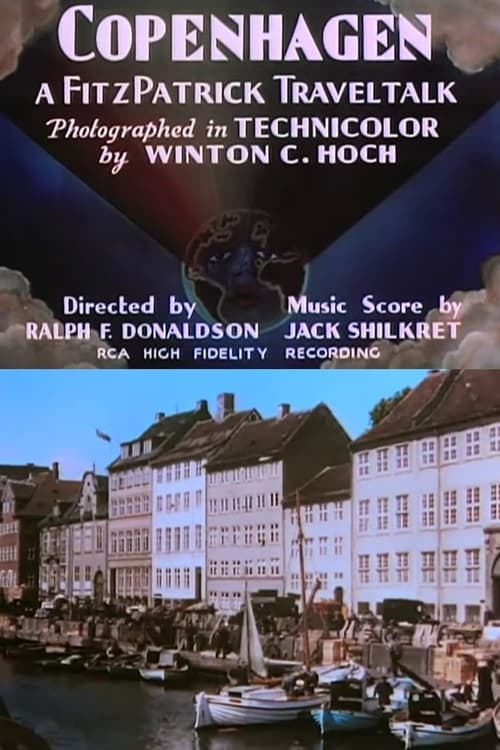
1937
1947
1949

2015
1940
1955
1949
1944
No reviews yet. Be the first to share your thoughts on this movie!
Use the rating form above to leave a star rating and optional review.