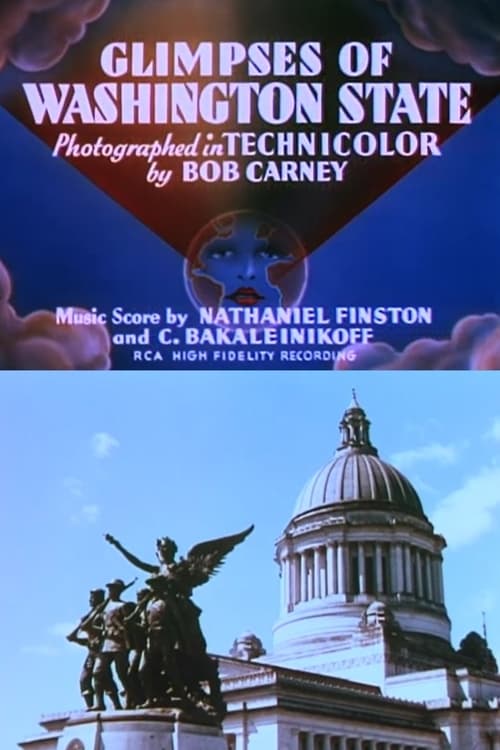
Glimpses of Washington State
1940
No user ratings available yet
Representation score: 0.3 out of 10
Representation Score
Minimal
1940
ApprovedRuntime
9 minutes
Average Rating
No ratings yetNew Showbiz Analysis
This 1940 Traveltalk documentary serves as a promotional travelogue centered on industrial progress. The narrative prioritizes the economic utility of Seattle's shipping, lumber, and aircraft industries over character-driven storytelling. By celebrating regional economic growth and the mastery of the natural environment, the film reinforces the social and industrial status quo of the era. The content highlights productivity rather than social complexity. Consequently, the film lacks representation of underrepresented identities, focusing instead on traditional Western economic institutions and masculine-coded industrial labor.
Category Breakdown
The film does not include any LGBTQ+ characters or narratives. It focuses solely on geography and commerce, excluding non-straight identities.
The documentary adheres to 1940s gender hierarchies, emphasizing masculine labor in lumber camps and shipping. It shows no women in roles of high ability to act or leadership.
The narrative focuses on white-led industrial infrastructure and Western expansion. There is no evidence of diverse ethnic perspectives in the management or labor narratives.
The film celebrates Western industrialism and capitalist expansion. It frames technological progress and the mastery of nature as inherently positive economic achievements.
There is no visible evidence of individuals with disabilities portrayed with ability to act. Disability is not a thematic element in this industrial footage.
Present on Screen
Limited or Absent
Official Synopsis
This Traveltalk series short visits Seattle and other areas in the state of Washington. Seattle was a small city until the 1897 gold rush. During World War I, it served as a major shipping center for lumber that was transported through the Panama Canal to East Coast shipbuilders. We also visit a Weyerhaeuser lumber camp located between Longview and Tacoma, and the city of Everett, where lumber is used in the burgeoning aircraft industry.
1940
1940
1897
1942
1944
1940

1960

1941
No reviews yet. Be the first to share your thoughts on this movie!
Use the rating form above to leave a star rating and optional review.