München 1945
1945
No user ratings available yet
Representation score: 1.7 out of 10
Representation Score
Minimal
2015
Director
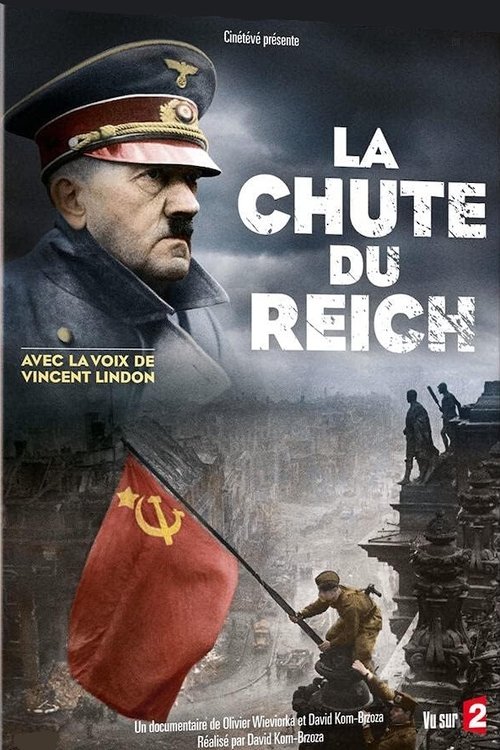
David Korn-Brzoza
Runtime
99 minutes
Average Rating
No ratings yetNew Showbiz Analysis
This documentary functions as a traditional historical account of the final months of World War II. It prioritizes geopolitical shifts, military movements, and the psychological toll of combat over the exploration of social identities. The narrative architecture is built around massive military entities like the Red Army and the Wehrmacht. This focus naturally centers masculine-coded roles and traditional military hierarchies, leaving little room for diverse social perspectives. While the inclusion of the Eastern Front provides a broader ethnic scope than Western-centric histories, the film adheres to conventional storytelling. It documents historical realities rather than attempting to deconstruct social hierarchies.
Category Breakdown
The documentary focuses on the historical movements of the Allied and Axis powers during World War II. It does not address LGBTQ+ identities or critique assumptions about straight relationships.
The narrative centers on masculine-coded combat roles and military movements. While it mentions the daily lives of men, it lacks detailed information about the roles and actions of women.
The film includes a broad ethnic scope by documenting the Eastern Front and the Red Army. However, it does not provide specific depth on characters from diverse backgrounds.
The film follows a traditional historical framework centered on the collapse of the Third Reich. It focuses on the moral consequences of state-sponsored violence and war crimes.
There is no information regarding the depiction of physical or mental disabilities. The narrative does not present disability as a central theme or subject of ability to act.
Present on Screen
Limited or Absent
Official Synopsis
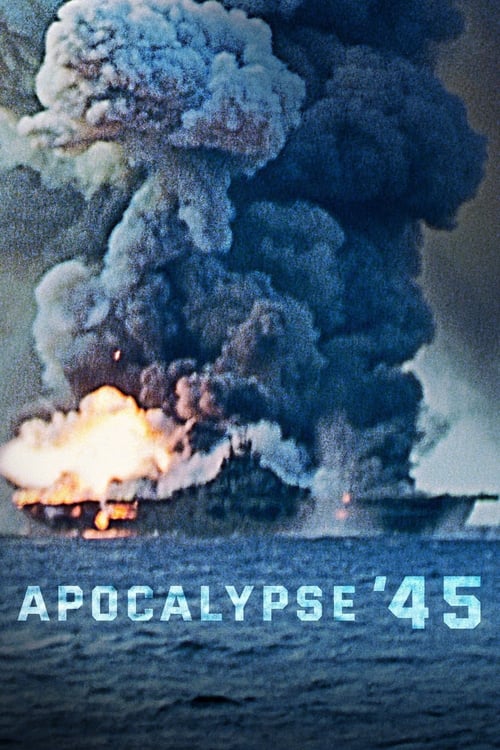
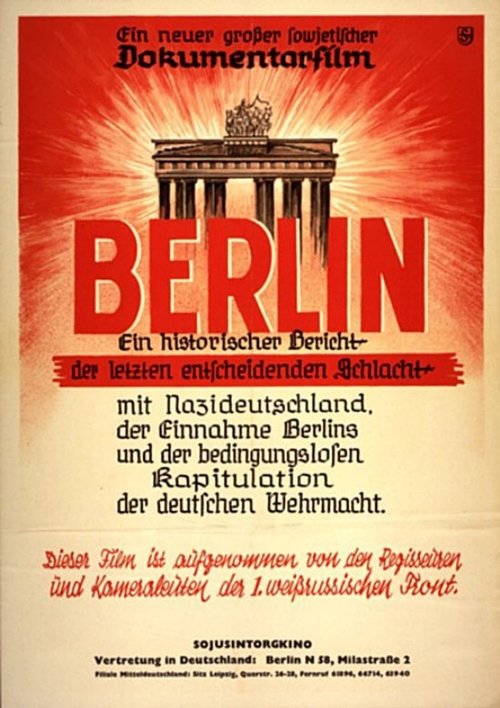
In June 1944, optimism reigned in the Allied camp. In the West, the Normandy landings were a success. In their advance, the troops soon threatened the German border. In the East, the Red Army launched an attack. With Operation Bagration, it swept into Belarus and forced the Wehrmacht into a terrible retreat. It was a time for confidence. There was no doubt: "The war would be over before Christmas." And yet... The war dragged on for almost another year. Eleven long months of fighting, punctuated by terrible battles and atrocious war crimes. Eleven months of fear and hope, which shook the certainties of the leaders and the daily lives of the men. Eleven murderous months, which left an eternal scar on hearts and in history.
1945

1935
2020
1998
2020

2012
1945
2014
No reviews yet. Be the first to share your thoughts on this movie!
Use the rating form above to leave a star rating and optional review.