All Out
1991
No user ratings available yet
Representation score: 3.3 out of 10
Representation Score
Minimal
1985
PGDirector
Alan Gibson
Runtime
98 minutes
Average Rating
No ratings yetNew Showbiz Analysis
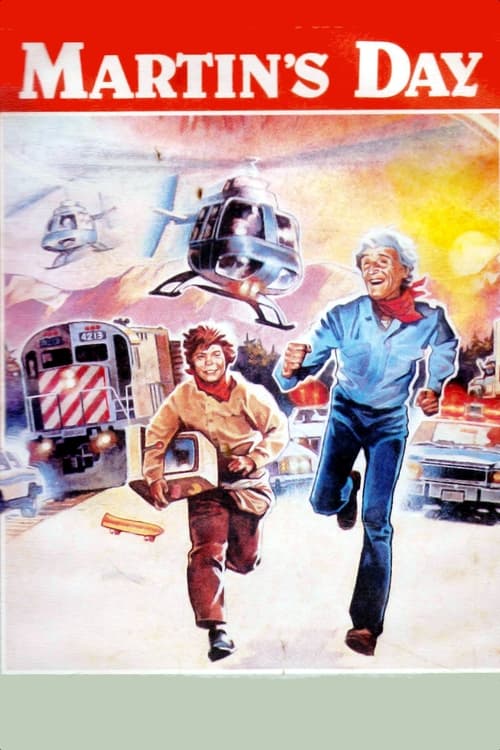
Martin's Day is a traditional character study that emphasizes individual psychological struggle over broader identity representation. While the film provides a meaningful critique of oppressive authority, it lacks the complexity and demographic diversity needed for a higher score. The focus remains narrow, centering on a specific male-driven bond.
Category Breakdown
The film does not include any LGBTQ+ characters or non-cisgender identities. The story focuses solely on the psychological bond between two male protagonists.
The narrative centers on male characters and their psychological development. Female characters are largely absent from the main storyline, adhering to traditional gender roles.
The cast is predominantly white and European, reflecting the production era's limitations. There is no evidence of color-blind casting or diverse ethnic perspectives.
The film challenges the sanctity of state institutions by portraying authority figures as trigger-happy. It also critiques rigid social conformity through the protagonist's pranks against societal norms.
There is no evidence of characters with visible or invisible disabilities. Neurodivergence or physical impairments are not used as narrative devices.
Present on Screen
Limited or Absent
Official Synopsis
Threatened with recapture after a prison escape, Martin Stechert grabs a 12-year-old as hostage. He proves to be named Martin, too a quiet "good little boy" always obeying the rules, whom life has given only dismal loneliness and frustration in return. Soon he begins to admire "Stech" for his cheeky pranks against society and his desperate mission to make dreams come true. In a climactic moment, he chooses to stay with the man even though he could run away. Via hijacks and hijinx, they flee to the idyllic peace of the older Martin's childhood home, a cabin on a lake. But the police are close behind, impatient and trigger-happy.
1991

1974
1992

1955
1971
1966

2000

1989
No reviews yet. Be the first to share your thoughts on this movie!
Use the rating form above to leave a star rating and optional review.