
Prison Break
2017
No user ratings available yet
Representation score: 2.1 out of 10
Representation Score
Limited
1994
RDirector
William Friedkin
Runtime
76 minutes
Average Rating
No ratings yetNew Showbiz Analysis
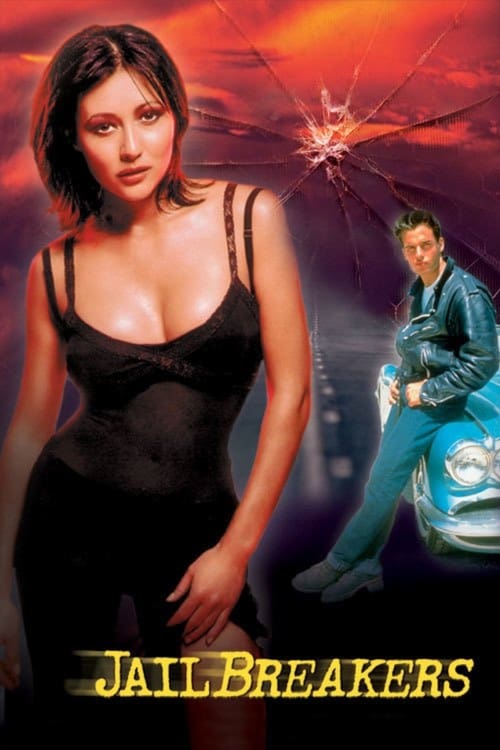
Jailbreakers is a period piece that prioritizes social transgression over diverse representation. It functions as a critique of mid-century stability, focusing on characters who exist on the fringes of respectable society. The narrative succeeds in deconstructing the idealized American family and the performative nature of suburban morality. By centering on outcasts, the film adopts a cynical, relativistic lens toward institutional conformity. However, the film remains limited by its narrow demographic focus. It lacks meaningful LGBTQ+ presence and relies on traditional gender roles where female stability is tied to male associations.
Category Breakdown
The story centers on a relationship between Angel and Tony, which follows conventional heterosexual norms. There is no indication of queer subtext or non-traditional gender identities.
Angel's role is often shaped by her interactions with men. Although she faces social repercussions, her journey is largely driven by conflicts involving male characters.
The film focuses on a predominantly white, suburban setting with a biker subculture. While the cast includes diverse actors, the narrative does not significantly blend different racial backgrounds.
The film critiques middle-class morality and the perceived hypocrisy of quiet suburbia. It portrays traditional social structures as restrictive rather than virtuous.
The film does not depict any specific instances of physical or neurodivergent disabilities.
Present on Screen
Limited or Absent
Official Synopsis
15-year-old high school cheerleader Angel falls in love with Tony, a leather-clad, dope-smoking biker. When Tony robs two jewelry stores, Angel’s local reputation is soiled, and her parents move the family to Bakersfield for a new beginning. But Tony soon makes a desperate escape from jail and goes hunting for his girlfriend.
2017
1966

1981

1949
1971
1983

2017

1990
No reviews yet. Be the first to share your thoughts on this movie!
Use the rating form above to leave a star rating and optional review.