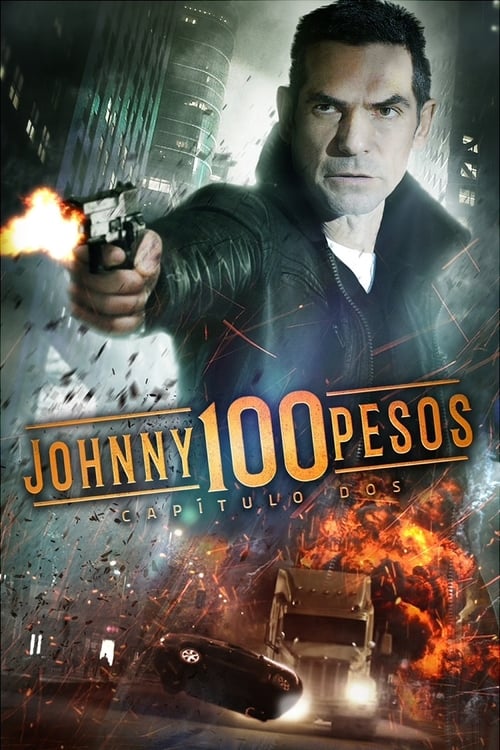
Johnny 100 Pesos: Chapter Two
2017
No user ratings available yet
Representation score: 5.9 out of 10
Representation Score
Limited
1988
UnratedDirector
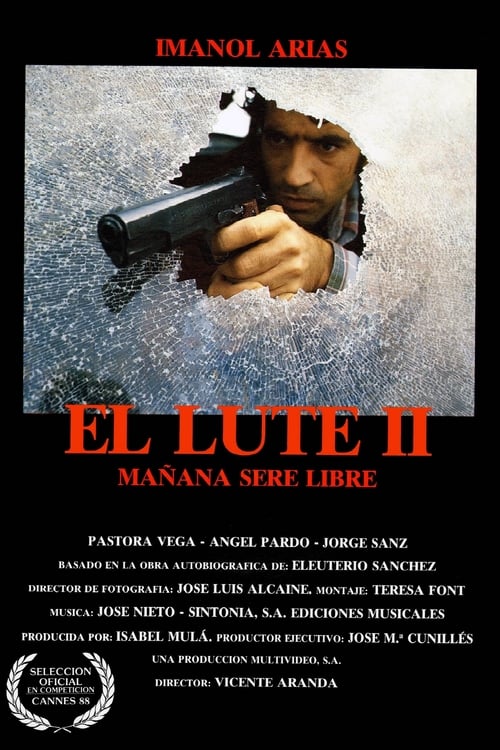
Vicente Aranda
Runtime
120 minutes
Average Rating
No ratings yetNew Showbiz Analysis
El Lute II: Tomorrow I'll Be Free is a character-driven drama that prioritizes a critique of institutional power over demographic diversity. The film excels in deconstructing the sanctity of state authority, framing the protagonist's defiance as a fight for freedom against a corrupt system. While the film lacks modern markers of LGBTQ+ or racial diversity, it highlights a localized form of social diversity by emphasizing the underrepresented 'other' within the Spanish class structure. The narrative architecture is built around the tension between individual ability to act and systemic control. Ultimately, the film serves as a social critique rather than a diverse ensemble piece. It succeeds in its moral relativism but remains grounded in the traditional social frameworks of its time.
Category Breakdown
The film centers on the protagonist's struggle for survival and domestic stability. It does not depict any non-binary gender identities or queer narratives.
Women play key roles in the protagonist's emotional journey and family life. However, the narrative primarily supports the male protagonist's journey, following traditional gender roles.
The cast reflects the homogeneous socioeconomic class of the era in Spain. It lacks diverse racial blending, focusing instead on the underrepresented status within the Spanish class system.
The film critiques Western institutions by portraying the outlaw as a victim of systemic oppression. It challenges conventional views of state authority as inherently just.
There is no significant depiction of visible or invisible disabilities within the narrative.
Present on Screen
Limited or Absent
Official Synopsis
This is the story of a man fighting with all his might for his life and his freedom. Eleuterio (”El Lute”) embarks upon an action-packed future, fuelled by the notions of freedom and dreams of living just as his countrymen, ever-growing in his mind. Nothing and no-one can stop him. After escaping the Puerto de Santa María prison, the reunion with his family is just the beginning of what will become an endless escape.
2017

1966
2012
2018
1987

1992
1985
1983
No reviews yet. Be the first to share your thoughts on this movie!
Use the rating form above to leave a star rating and optional review.