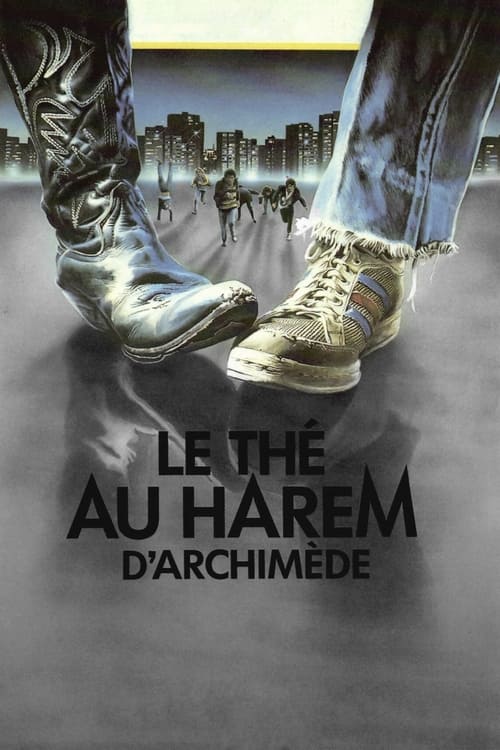
Tea in the Harem
1985
No user ratings available yet
Representation score: 6.0 out of 10
Representation Score
Good
1998
Director
Christophe Ruggia
Runtime
96 minutes
Average Rating
No ratings yetNew Showbiz Analysis
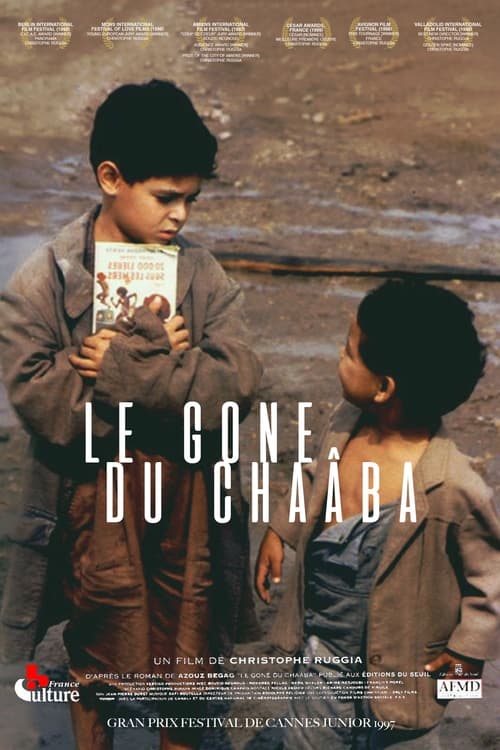
The Kid from Chaaba is a sophisticated exploration of dual identity, moving beyond simple immigrant clichés to examine the psychological impact of living between two cultures. By centering a North African perspective, it successfully disrupts the norm of homogeneous white narratives. The film's strength lies in its refusal to provide easy solutions to the clash between traditionalist and secular values. It treats the protagonist's search for a hybrid identity as a complex, character-driven journey rather than a mere sociological study. However, the film remains limited in its scope regarding specific identity markers. While it adeptly handles ethnic and cultural friction, it offers little visibility for LGBTQ+ or disability-related experiences.
Category Breakdown
The film highlights the tension between North African and French communities. Though it doesn't explicitly include non-straight identities, it explores the conflict between traditional norms and secular French values.
The story follows a young boy navigating between patriarchal Algerian structures and the changing French society. It avoids a single model of masculinity by showing the protagonist's struggle for self-definition.
The film centers on a North African protagonist in a French setting, providing a significant role in driving the story to characters of color. It moves beyond background roles to delve into the complexities of the immigrant experience.
The narrative examines the balance between two distinct moral and social systems. It critiques the rigidity of both traditional North African institutions and the secular French state through the protagonist's quest for a hybrid identity.
There is no significant portrayal of physical or neurodivergent disabilities within the narrative.
Present on Screen
Limited or Absent
Official Synopsis
Le Gone du Chaâba (The Kid of the Chaaba), translated into English as Shantytown Kid by Naima Wolf, is an autobiographical novel by Azouz Begag about his life as a young Algerian boy growing up in a shantytown next to Lyon, France, called the Chaâba by its inhabitants. The story covers a period of approximately three years in the life of the protagonist and deals with issues developing from the clash between two cultures, that of France and that of North Africa, as well as the difficulties of finding a cultural identity between the two. The story focuses on the cultural differences between the Arab and French communities, as well as how the two groups react to each other
1985

2018
1997
1966
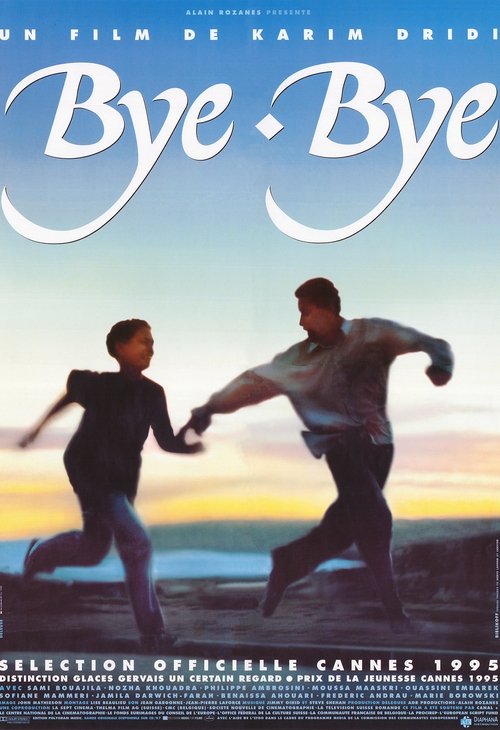
1995

2006
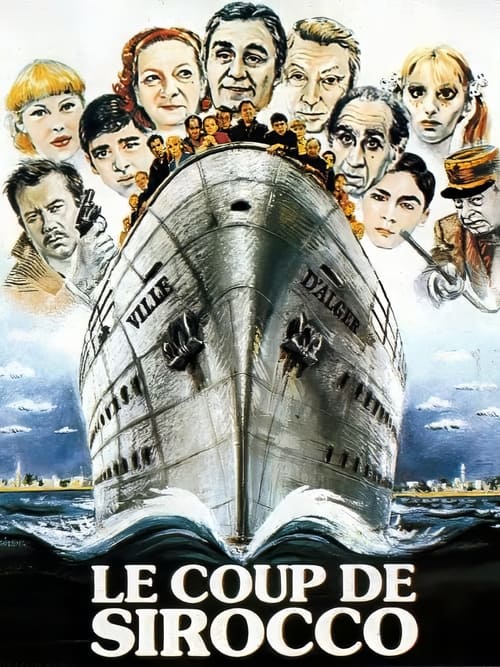
1979
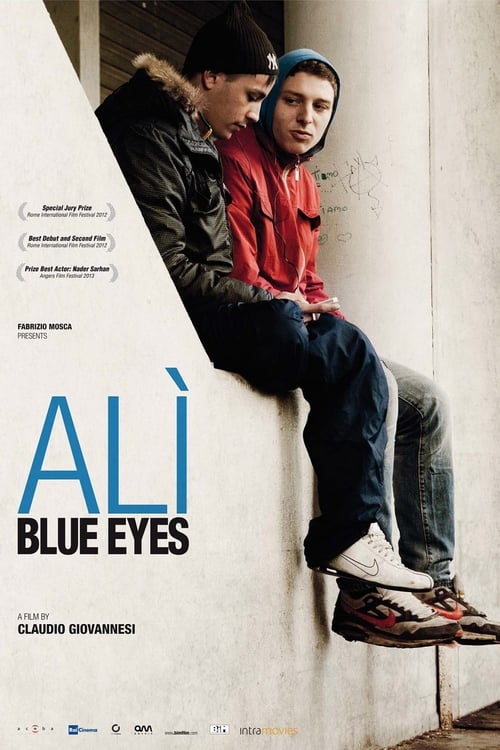
2012
No reviews yet. Be the first to share your thoughts on this movie!
Use the rating form above to leave a star rating and optional review.