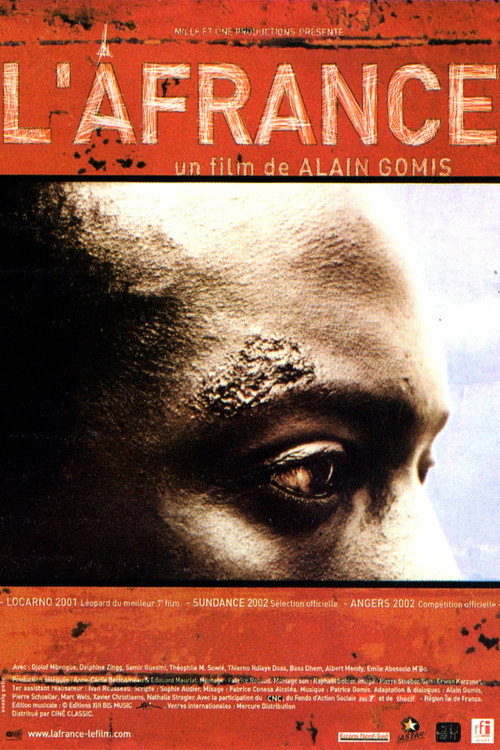
L'afrance
2001
No user ratings available yet
Representation score: 6.4 out of 10

Representation Score
Good
1968
Director
Désiré Ecaré
Runtime
30 minutes
Average Rating
No ratings yetNew Showbiz Analysis
Désiré Ecaré’s work serves as a powerful meditation on the African diaspora and the psychological toll of displacement. By centering the immigrant experience in Paris, the film disrupts Western-centric narrative clichés and critiques colonial legacies. The film's primary strength lies in its focus on racial and cultural ability to act, providing a platform for non-white protagonists to navigate systemic pressures. It offers a profound interrogation of Western hegemony. However, the film lacks explicit representation of LGBTQ+ identities and disabilities. While the themes of insecurity allow for subtextual identity exploration, the lack of clear, on-screen evidence limits its score in these specific areas.
Category Breakdown
The film touches on the instability of identity among underrepresented youth, suggesting a subtextual exploration of identities outside traditional colonial structures.
Characters navigate survivalist contexts that challenge traditional gender roles. The story prioritizes the ability to act of displaced individuals over conventional domestic archetypes within a hostile urban environment.
The film centers an African majority cast within Paris, disrupting the cinematic norm of the white protagonist. It provides high ability to act to characters of color navigating Western systemic structures.
The narrative critiques Western institutions by framing the central conflict as a choice between assimilation and returning home. It prioritizes non-Western perspectives through an anti-colonial lens.
There is no documented evidence regarding the portrayal of physical or neurodivergent disabilities in this work.
Present on Screen
Limited or Absent
Official Synopsis
Young Africans in Paris face insecurity and vague future. Should they stay in France, or return to their homes?
2001

1966
1979

1973
1996

2022
1997

2011
No reviews yet. Be the first to share your thoughts on this movie!
Use the rating form above to leave a star rating and optional review.