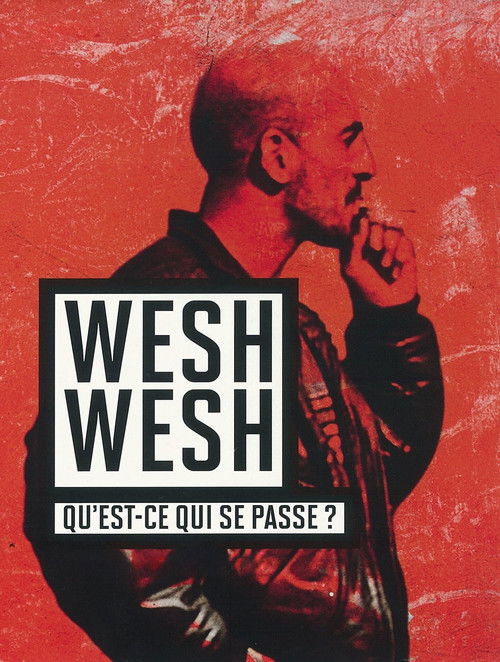
Wesh, Wesh, What's Happening?
2001
No user ratings available yet
Representation score: 4.2 out of 10
Representation Score
Fair
2006
Director
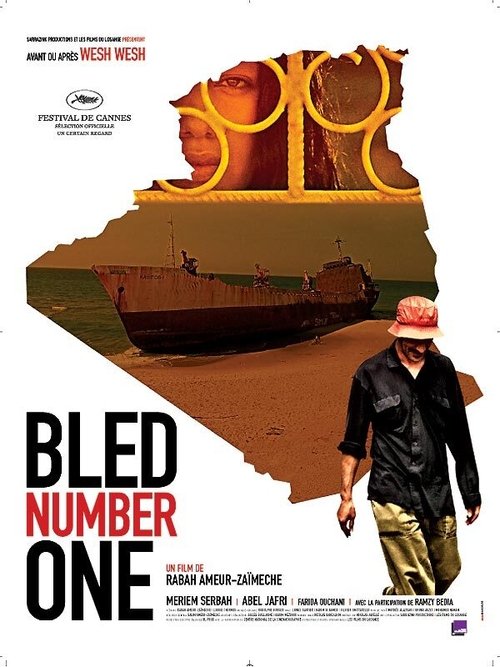
Rabah Ameur-Zaïmeche
Runtime
100 minutes
Average Rating
No ratings yetNew Showbiz Analysis
Bled Number One stands out as a significant example of storytelling centered around non-Western perspectives. By focusing on the lived experience of a displaced individual, the film challenges traditional cinematic expectations and delves into the systemic impacts of post-colonial relations. The film excels in framing the tension between tradition and modernity as a complex landscape of identity and survival. It moves away from Anglo-centric models to offer a nuanced portrayal of North African life. However, the lack of specific character data regarding gender roles and LGBTQ+ identities limits the depth of its social representation. The focus remains primarily on the protagonist's displacement and cultural friction.
Category Breakdown
The film does not explicitly include LGBTQ+ narratives. While there is social friction that might allow for diverse identities, no specific LGBTQ+ characters are mentioned.
The tension between modernity and tradition hints at a possible critique of patriarchal structures. However, there is not enough specific character information to confirm more fluid gender roles.
The story centers an Algerian protagonist, effectively shifting the perspective away from a Western viewpoint. It offers a realistic framework for exploring the complexities of the North African experience.
The film engages with critiques of French institutions and immigration policies, offering a sophisticated view of the divide between tradition and modernity.
There is no information available regarding characters with visible or invisible disabilities.
Present on Screen
Limited or Absent
Official Synopsis
Hardly freed from a French prison, Kamel is deported in his native state, Algeria, and discovers a country split between modernity and tradition.
2001
1982

2008
2018
1997

2017

2013

2019
No reviews yet. Be the first to share your thoughts on this movie!
Use the rating form above to leave a star rating and optional review.