
Alger la blanche
1986
No user ratings available yet
Representation score: 6.6 out of 10
Representation Score
Good
2012
Director
Claudio Giovannesi
Runtime
98 minutes
Average Rating
No ratings yetNew Showbiz Analysis
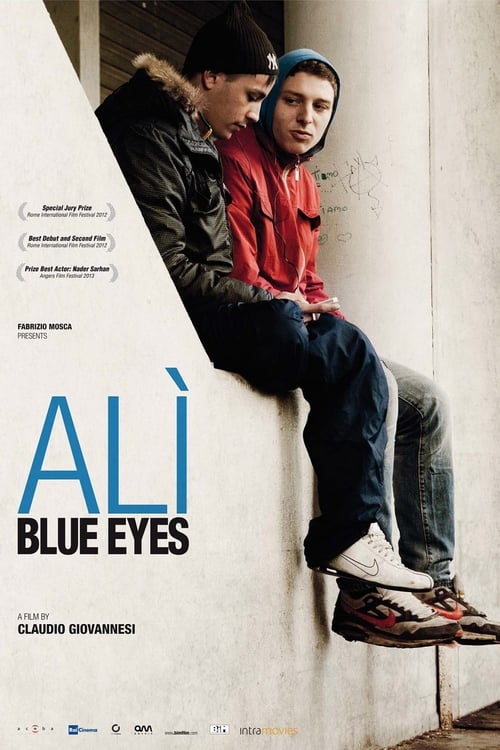
Ali Blue Eyes is a nuanced work of social realism that challenges the idea of Europe as homogeneous. It places the internal struggle of a multicultural protagonist at the center of the plot. The film's strength lies in its portrayal of immigrant identity as multifaceted rather than monolithic. It explores the tension between Arab heritage and Italian surroundings through a character with significant influence. While the film excels in its exploration of racial and ethnic diversity, it remains more conventional in its gender and LGBTQ+ dynamics, adhering to traditional romantic structures.
Category Breakdown
The story focuses on heterosexual relationships, particularly Nader's romance with Brigitte. It does not include LGBTQ+ characters or narratives that question the assumption that everyone is straight.
The film challenges traditional masculinity by showing the protagonist's vulnerability, fear, and emotional isolation. However, the central conflict revolves around a typical romantic pursuit.
Nader offers a sophisticated look at how different parts of someone's identity overlap, such as being Egyptian-born and living in Rome. The narrative highlights a character of color who navigates a complex dual identity with significant influence.
The film examines the tension between immigrant parents' expectations and a child's desire for independence. It portrays the protagonist's rebellion as a struggle to balance conflicting cultural values.
There is no significant depiction of physical or neurodivergent disabilities in the narrative.
Present on Screen
Limited or Absent
Official Synopsis
Ostia, outskirts of Rome: the beach in winter. Two sixteen-year-old boys steal a scooter at 8 in the morning, then rob a store, all in time for getting to school at 9. Nader is Egyptian, but was born in Rome. Stefano is Italian and his best friend Brigitte, Nader’s girlfriend, is also Italian, but for this very reason Nader’s parents are against the match, and Nader runs away from home. The film describes a week in the life of a teenager who tries to subvert the values of his own family. Torn between his Arab and Italian identity, audacious and in love, like the hero of a contemporary fairy tale, Nader will have to put up with the cold, the loneliness, life on the street, hunger and fear, the flight from his enemies and the loss of his friends, before he can really understand who he is.
1986

2017
2010

2017

1995

2011

2005

2017
No reviews yet. Be the first to share your thoughts on this movie!
Use the rating form above to leave a star rating and optional review.