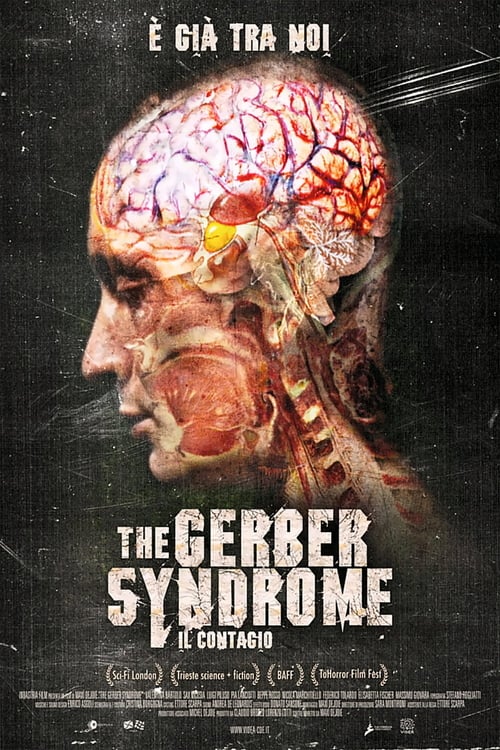
The Gerber Syndrome: Il Contagio
2011
No user ratings available yet
Representation score: 1.8 out of 10
Representation Score
Limited
1980
PGDirector
Kinji Fukasaku
Runtime
156 minutes
Average Rating
No ratings yetNew Showbiz Analysis
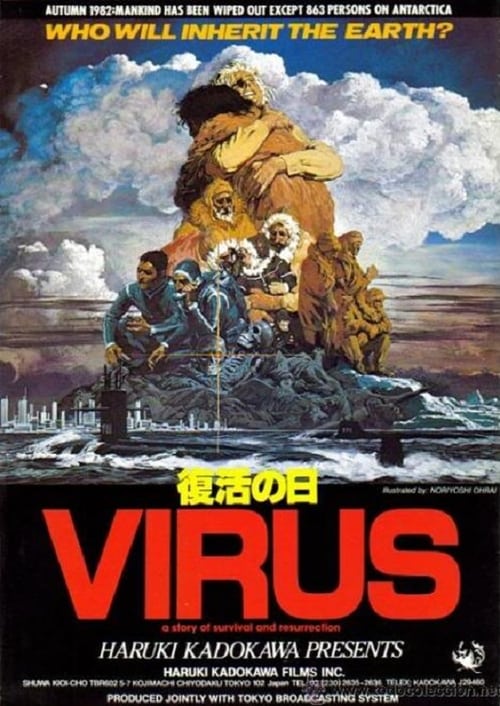
Kinji Fukasaku’s *Virus* is a traditional genre film that emphasizes the tension of a biological thriller over social or identity critiques. The narrative structure relies on established survivalist themes, focusing on the mechanics of a global catastrophe and the breakdown of human structures. Since the film centers on a homogeneous group facing a localized crisis, it offers limited characters who reflect more than one aspect of diversity. Characters serve primarily as vehicles for horror elements rather than complex subjects with diverse experiences. Ultimately, the film reflects the cinematic norms of its era, emphasizing biological inevitability and the loss of systemic stability over the subversion of social hierarchies.
Category Breakdown
The film does not include any LGBTQ+ characters or narratives. The survivalist themes focus solely on the biological threat without addressing non-straight identities.
Gender roles follow traditional 1980s Japanese genre structures. Female characters are defined by the plot's demands rather than challenging traditional patriarchal models.
The cast is predominantly Japanese, reflecting the film's era and origin. The narrative does not intentionally blend racial or ethnic complexities.
The film shows the collapse of social order due to a pathogen. It does not specifically critique religion or capitalism.
Characters with disabilities are not given much depth. Their impairments are shown as symptoms of the virus rather than detailed portrayals of their experiences.
Present on Screen
Limited or Absent
Official Synopsis
Scientists in Antarctica desperately try to find a cure to a military virus that was released in a plane crash and has wiped out the rest of the world.
2011

1963

1999

1985

1989

1951

1991

1971
No reviews yet. Be the first to share your thoughts on this movie!
Use the rating form above to leave a star rating and optional review.