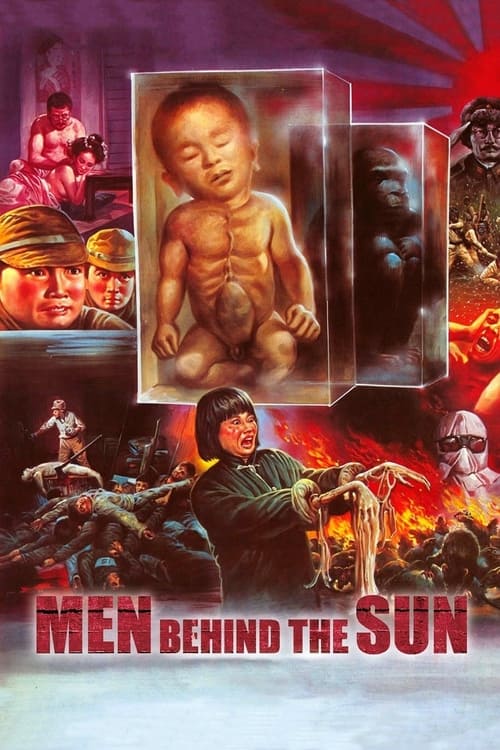
Men Behind the Sun
1988
No user ratings available yet
Representation score: 5.0 out of 10
Representation Score
Fair
2008
NC-17Director
Andrey Iskanov
Runtime
249 minutes
Average Rating
No ratings yetNew Showbiz Analysis
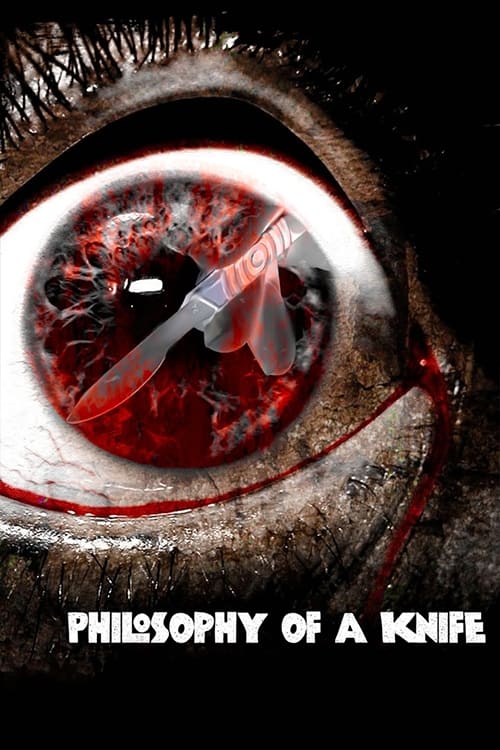
Philosophy of a Knife is a transgressive, experimental study of historical horror rather than a character-driven narrative. It prioritizes the deconstruction of institutional morality and the grim realities of Unit 731 over inclusive storytelling. The film's low diversity scores stem from its focus on systemic violence and clinical trauma. It lacks the identity-based control and diverse social dynamics found in traditional cinema, as the subject matter is inherently dehumanizing. Ultimately, the work functions as a critique of state-sponsored cruelty. It succeeds in challenging sanitized historical narratives but fails to provide meaningful representation for specific social or identity groups.
Category Breakdown
The film does not focus on LGBTQ+ identities or dynamics outside of traditional heterosexual relationships. The narrative centers on the mechanics of state-sponsored violence and wartime biological warfare.
The narrative is dominated by male-centric military and medical hierarchies. Reflecting historical 1940s structures, the film offers little control to female characters.
The film engages with East Asian historical contexts and geopolitical tensions. However, representation is framed primarily through the lens of systemic oppression and medical exploitation.
The film provides a deep critique of institutional power and the corruption of scientific ethics. It challenges the perceived morality of medical and military establishments.
Depictions of physical trauma serve as evidence of systemic cruelty rather than character studies. Bodies are treated as clinical subjects rather than individuals with lived experiences.
Present on Screen
Limited or Absent
Official Synopsis
The true history of Japanese Unit 731, from its beginnings in the 1930s to its demise in 1945, and the subsequent trials in Khabarovsk, USSR, of many of the Japanese doctors from Unit 731. The facts are told, and previously unknown evidence is revealed by an eyewitness to these events, former doctor and military translator, Anatoly Protasov.
1988
2009
1992
2001
2025
1987
No reviews yet. Be the first to share your thoughts on this movie!
Use the rating form above to leave a star rating and optional review.