
Thrive: What on Earth Will it Take?
2011
No user ratings available yet
Representation score: 4.1 out of 10
Representation Score
Fair
2011
Director
John Page, Steven Gorelick, Helena Norberg-Hodge
Runtime
67 minutes
Average Rating
No ratings yetNew Showbiz Analysis
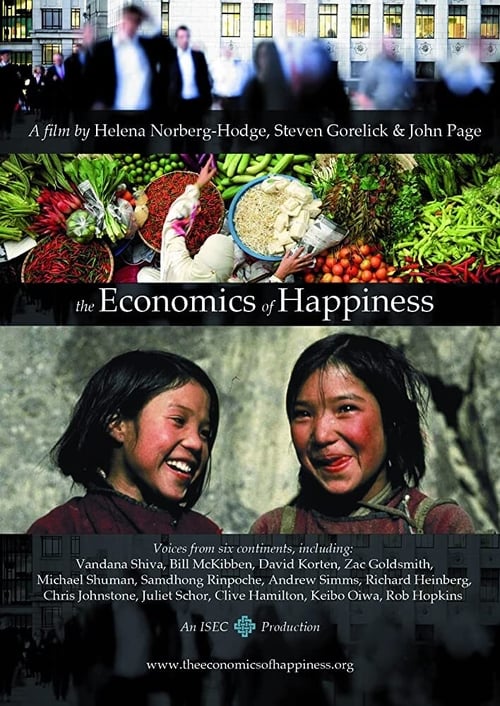
The Economics of Happiness effectively critiques global economic models by centering voices from six continents. It challenges the dominance of corporate power and highlights underrepresented populations from the Global South. While the film offers a sophisticated post-colonial perspective, it remains limited in its social scope. It does not engage with LGBTQ+ identities or disability representation, focusing instead on geographic and socioeconomic shifts. The documentary's strength lies in its critique of neoliberal capitalism. It promotes a paradigm of localization and community empowerment.
Category Breakdown
The film does not include any explicit LGBTQ+ characters or stories. It does not use queer theory or gender-identity politics as a lens for its analysis.
Women are shown working within traditional agrarian and subsistence economies. The film highlights their important roles in local economic structures.
The documentary features indigenous communities and rural populations from the Himalayas and India. It provides significant roles to people of color through a post-colonial lens.
The film focuses on preserving diverse cultural traditions against the influence of global markets. It criticizes Western consumerism as a threat to cultural integrity.
There is no significant focus on visible or invisible disabilities. These identities are not used as central elements within the documentary's narrative.
Present on Screen
Limited or Absent
Official Synopsis
'The Economics of Happiness' features a chorus of voices from six continents calling for systemic economic change. The documentary describes a world moving simultaneously in two opposing directions. On the one hand, government and big business continue to promote globalization and the consolidation of corporate power. At the same time, all around the world people are resisting those policies, demanding a re-regulation of trade and finance - and, far from the old institutions of power, they're starting to forge a very different future. Communities are coming together to re-build more human scale, ecological economies based on a new paradigm - an economics of localization.
2011

2015
2010

2000
2017
2009
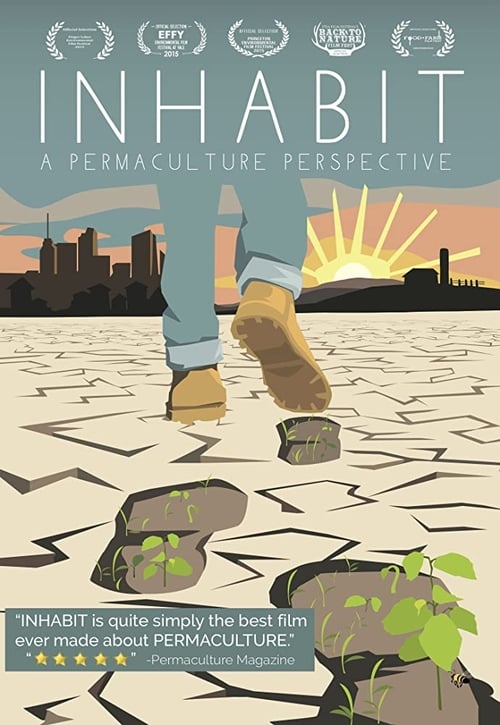
2015

2011
No reviews yet. Be the first to share your thoughts on this movie!
Use the rating form above to leave a star rating and optional review.