
Home
2017
No user ratings available yet
Representation score: 8.3 out of 10
Representation Score
Fair
2019
Director
Fredrik Gertten
Runtime
92 minutes
Average Rating
No ratings yetNew Showbiz Analysis
Push succeeds as a globalized documentary that actively disrupts Western-centric economic narratives. By centering the expertise of Leilani Farha and the lived experiences of populations in the Global South, the film provides a platform for underrepresented communities to drive the discourse on human rights. The film's strength lies in its systemic critique of neoliberalism and its commitment to post-colonial perspectives. It moves the conversation away from corporate stability toward the vulnerabilities of the global population, effectively challenging traditional institutional power structures. However, the film's narrow focus on macro-economic frameworks results in a lack of representation for LGBTQ+ identities and disability experiences. While these omissions are a byproduct of the specific subject matter, they limit the film's breadth of identity-based storytelling.
Category Breakdown
The documentary focuses on global housing and resource rights through a socio-political lens. There are no LGBTQ+ characters or narratives about non-cisgender identities.
Leilani Farha, a high-ranking UN official, serves as the central intellectual driver. While the film positions a woman in a role of significant global authority, it does not explicitly explore gendered power dynamics.
The film achieves a high mark by moving beyond Anglo-centric viewpoints to highlight the Global South. It prioritizes the roles of diverse ethnic groups navigating the consequences of resource commodification.
The narrative provides a profound critique of neoliberal capitalism and predatory corporate structures. It aligns with post-colonial critiques by emphasizing collective human rights over market-driven logic.
There is no specific evidence regarding the portrayal of visible or invisible disabilities. The focus remains on socioeconomic and systemic struggles rather than individual physical or neurodivergent experiences.
Present on Screen
Limited or Absent
Official Synopsis
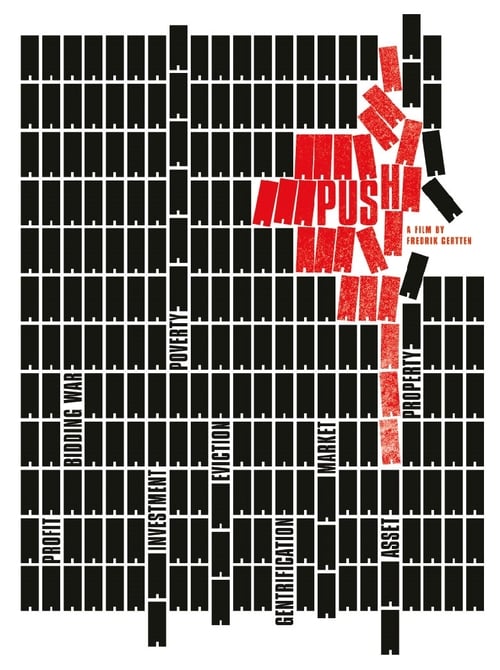
Housing prices are skyrocketing in cities around the world. Incomes are not. PUSH sheds light on a new kind of faceless landlord, our increasingly unliveable cities and an escalating crisis that has an effect on us all. This is not gentrification, it’s a different kind of monster.The film follows Leilani Farha, the UN Special Rapporteur on Adequate Housing, as she’s travelling the globe, trying to understand who’s being pushed out of the city and why. “I believe there’s a huge difference between housing as a commodity and gold as a commodity. Gold is not a human right, housing is,” says Leilani.
2017

2000
2013

2000
2011

2022
2018
2013
No reviews yet. Be the first to share your thoughts on this movie!
Use the rating form above to leave a star rating and optional review.