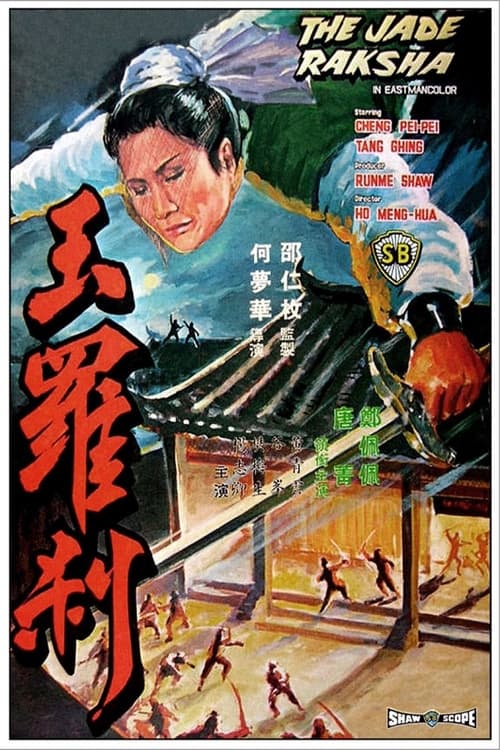
The Jade Raksha
1968
No user ratings available yet
Diversity score: 4.9 out of 10

1964
Director
Seiichiro Uchikawa
Runtime
93 minutes
Average Rating
No ratings yetSynopsis
Misawa Ihei (Nagato) is traveling with his wife Tae (Iwashita Shima) who abhors the practice of sword fighting for prize money. Tae is the daughter of the clan's chief counselor who married the low-ranking Ihei to avoid becoming the clan lord's mistress. Into the mix comes Oba Gunjuro (Tetsurō Tamba), a mysterious ronin who will do anything for money. This leads to a fitting climax as the forces of hate and love converge while the couple attempt to break through the border!
Overall Score
Fair
Category Breakdown
LGBTQ+ Representation
The film focuses on a traditional marriage between Misawa Ihei and Tae. There is no evidence of queer narratives or non-heteronormative identities within the story.
Gender Representation
Tae provides a vital moral counterweight to the protagonist's martial pursuits. Her choice to marry for autonomy rather than submit to a clan lord highlights significant female agency.
Racial & Ethnic Diversity
Set in a specific Japanese historical period, the cast is ethnically homogeneous. The film focuses on internal social stratification and class mobility rather than racial intersectionality.
Religious & Cultural Diversity
The narrative critiques established social and economic systems, such as the culture of prize-money sword fighting. It moves away from rigid traditionalism toward a more complex ethical framework.
Disability Representation
There are no visible or invisible disabilities depicted that impact the narrative arc of the film.
Strengths
Areas for Improvement
AI Analysis
Samurai from Nowhere is a character-driven study of social friction rather than a celebration of traditional warrior tropes. It succeeds by using domestic conflict to critique the rigid hierarchies of the era. The film's primary strength is its subversion of patriarchal structures through the character of Tae. Her agency provides a sophisticated lens through which to view the tension between individual choice and clan expectations. However, the film remains limited by its historical homogeneity and lack of diverse identity markers. It functions within a narrow social scope, focusing on class and marital status rather than broader intersectional representation.
1968
1980

1968
1967
1967
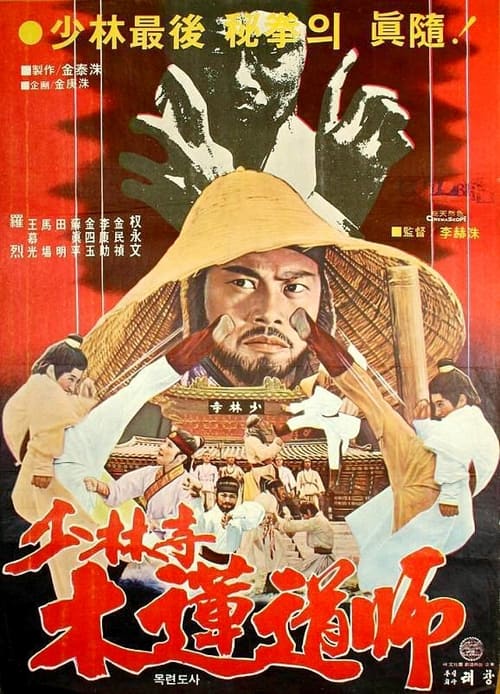
1978
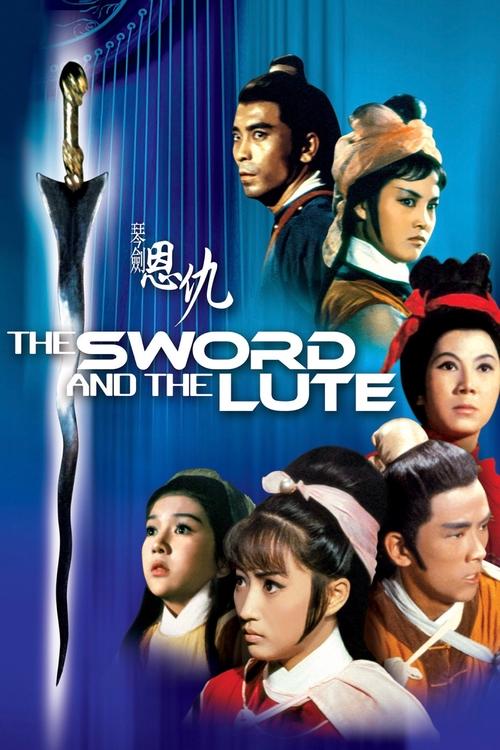
1967

1969
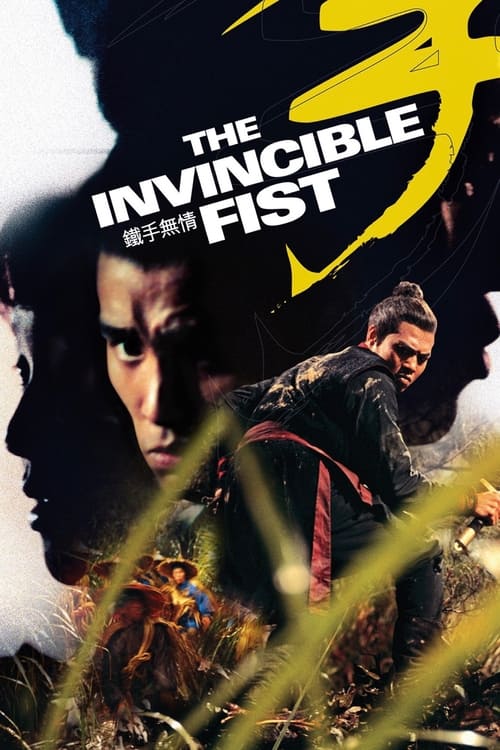
1969
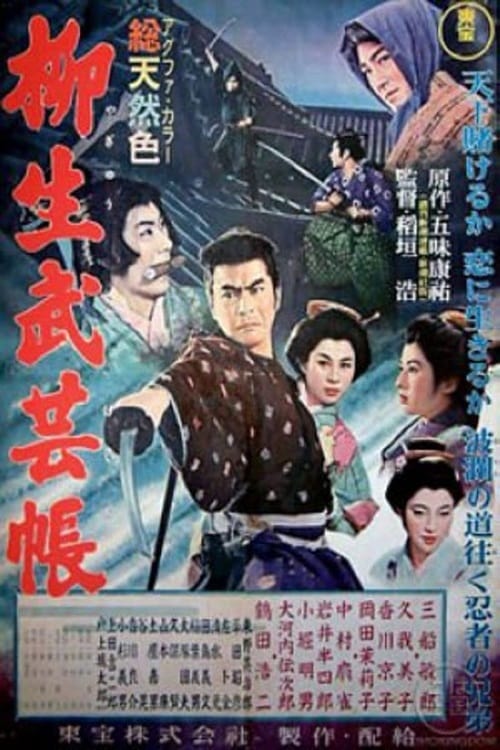
1957
1980
1967
No reviews yet. Be the first to share your thoughts on this movie!
Use the rating form above to leave a star rating and optional review.