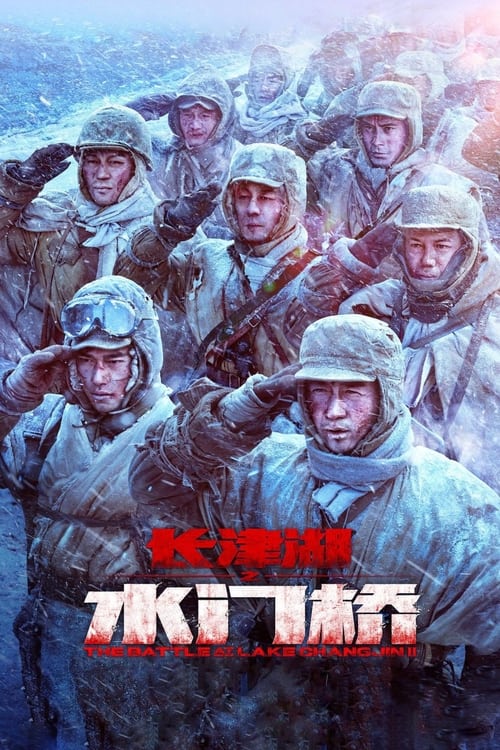
The Battle at Lake Changjin II: Water Gate Bridge
2022
No user ratings available yet
Representation score: 0.6 out of 10
Representation Score
Fair
2018
RDirector
Kim Kwang-sik
Runtime
135 minutes
Average Rating
No ratings yetNew Showbiz Analysis
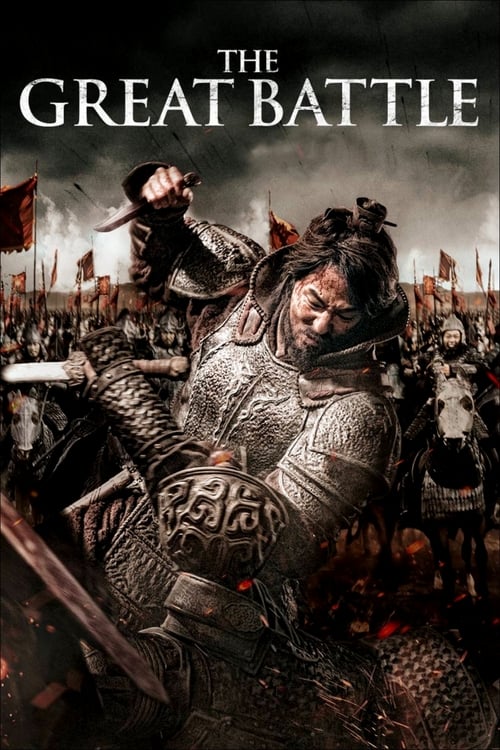
The Great Battle succeeds in disrupting the Western-centric monopoly on the heroic defense genre. By centering the Goguryeo Kingdom's resistance against the Tang Dynasty, it offers a robust depiction of East Asian sovereignty and regional ability to act. However, the film remains deeply rooted in traditional 7th-century social structures. This results in a lack of representation for LGBTQ+ identities and a heavy reliance on male-dominated military hierarchies for its primary character's ability to drive the story. Ultimately, the film functions as a traditional historical epic. It prioritizes national identity and martial values over the deconstruction of modern social hierarchies or identity politics.
Category Breakdown
The film focuses on military strategy and martial prowess. There is no visible presence of non-traditional gender identities or same-sex relationships within the plot.
Leadership is centered on General Yang Man-chu and a male-dominated military hierarchy. While the community's survival involves various social strata, tactical roles remain primarily male.
The story provides a vital departure from Western-centric epics by centering East Asian historical ability to act. It portrays a non-Western power resisting the expansionist Tang Dynasty.
The narrative explores collective resistance against the encroaching Tang Empire. It frames the defense of Ansi as a struggle for survival against centralized imperial imposition.
There is no evidence of physical or neurodivergent disabilities serving as central character arcs or plot devices.
Present on Screen
Limited or Absent
Official Synopsis
Kingdom of Goguryeo, ancient Korea, 645. The ruthless Emperor Taizong of Tang invades the country and leads his armies towards the capital, achieving one victory after another, but on his way is the stronghold of Ansi, protected by General Yang Man-chu, who will do everything possible to stop the invasion, even if his troops are outnumbered by thousands of enemies.
2022
2017
2023

2006

2020

1964

2014

2018
No reviews yet. Be the first to share your thoughts on this movie!
Use the rating form above to leave a star rating and optional review.