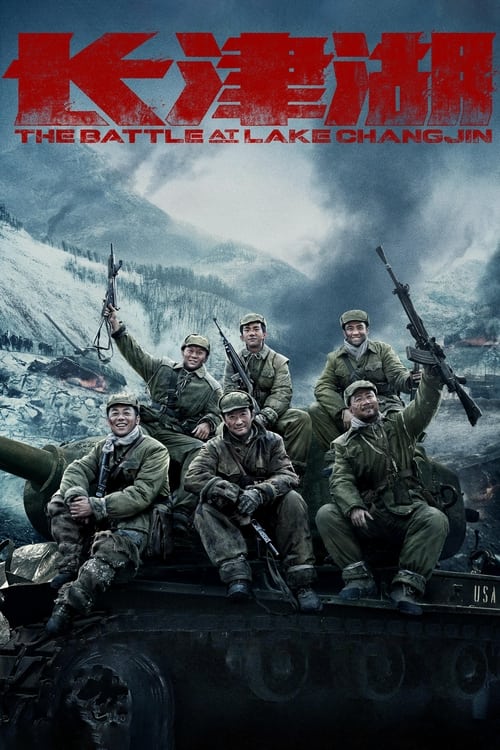
The Battle at Lake Changjin
2021
No user ratings available yet
Representation score: 3.9 out of 10
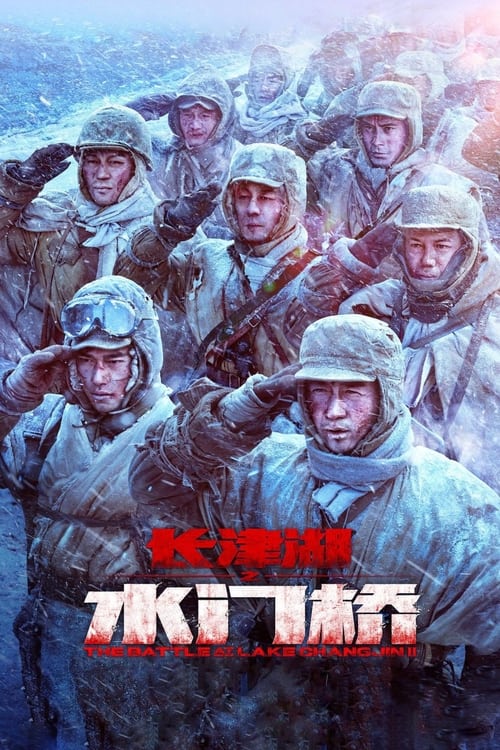
Representation Score
Minimal
2022
Director
Tsui Hark, Chen Kaige, Dante Lam Chiu-yin
Runtime
149 minutes
Average Rating
No ratings yetNew Showbiz Analysis
The film is a large-scale war epic that prioritizes historical accuracy and state-centric heroism. Its narrative structure is deeply invested in traditionalist and nationalist values, focusing on the collective sacrifice of the People's Volunteer Army. By centering on military command and national duty, the film reinforces existing social hierarchies. It does not seek to disrupt conventional norms or explore diverse identities, opting instead for a singular, homogeneous perspective. Ultimately, the cinematic spectacle serves to celebrate national integrity, leaving little room for the representation of diverse social, gender, or identity-based perspectives.
Category Breakdown
The film does not include any LGBTQ+ characters or narratives, focusing solely on military objectives and historical combat.
The story centers on Commander Wu Qianli and his infantry company, emphasizing traditional masculine leadership and martial skills over gender role subversion.
The cast is ethnically homogeneous, reflecting the historical reality of the People's Volunteer Army, prioritizing a singular national identity.
The narrative celebrates patriotism, duty, and collective sacrifice, reinforcing national identity and institutional loyalty.
There are no characters with disabilities portrayed with significant roles; physical trauma is used primarily as a plot device for sacrifice.
Present on Screen
Limited or Absent
Official Synopsis
Commander Wu Qianli leads the 7th Infantry Company soldiers to Funchilin Pass where they are tasked to destroy a bridge to stop enemy troops from retreating.
2021
2018

2020
2020
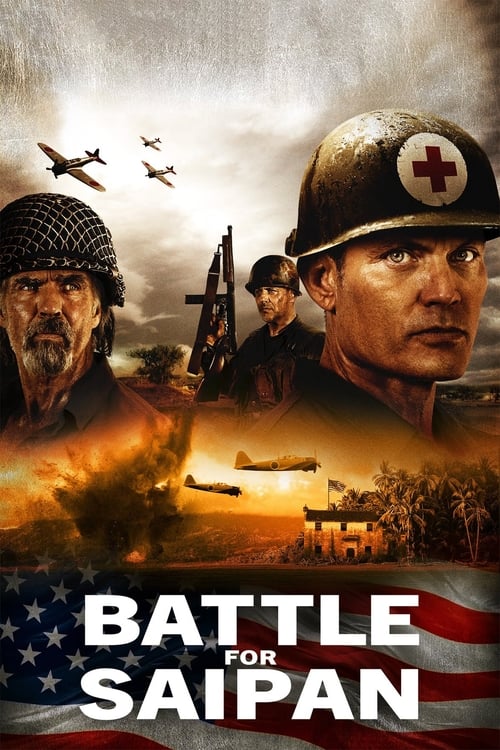
2022
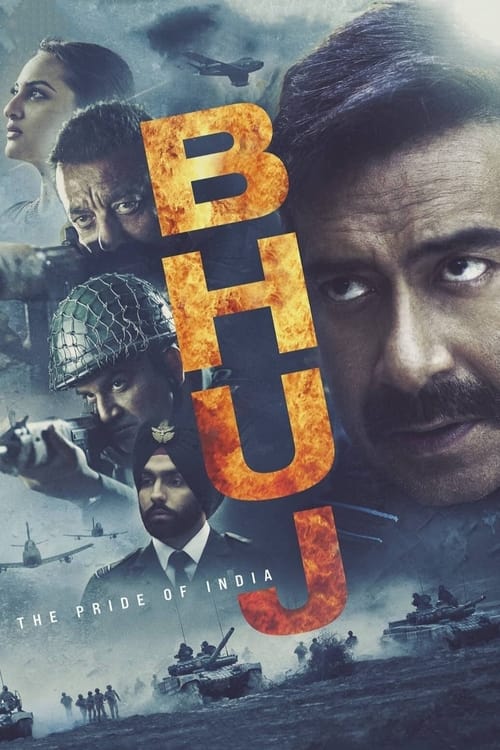
2021
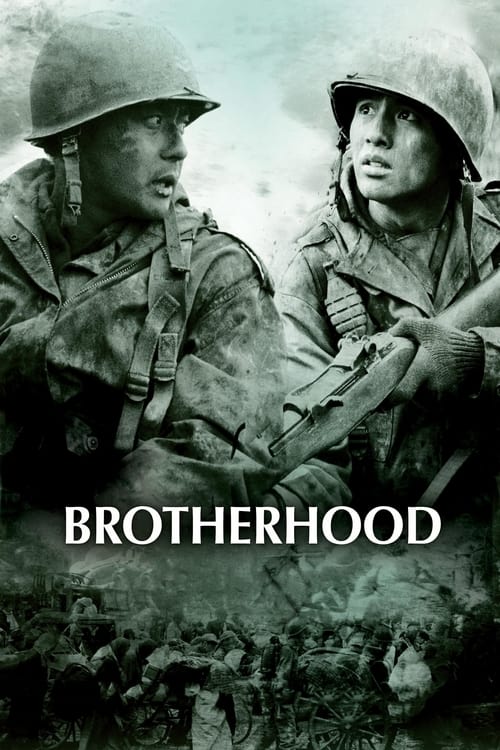
2004
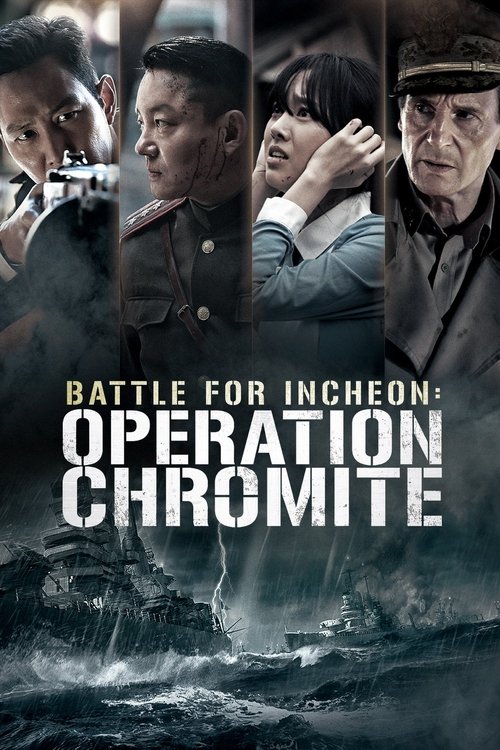
2016
No reviews yet. Be the first to share your thoughts on this movie!
Use the rating form above to leave a star rating and optional review.