
The Eight Hundred
2020
No user ratings available yet
Representation score: 3.7 out of 10

Representation Score
Limited
2020
Director
Guan Hu, Frant Gwo, Lu Yang
Runtime
122 minutes
Average Rating
No ratings yetNew Showbiz Analysis
The Sacrifice is a traditional historical war epic that prioritizes national unity and shared responsibilities over exploring diverse identities. Its narrative structure upholds the social and military norms of the mid-20th century. While it offers a unique perspective by featuring an East Asian cast, it does not challenge conventional norms or break down established social hierarchies.
Category Breakdown
The film doesn't include any LGBTQ+ characters or stories about non-straight identities. It focuses on the military unity and shared duties of the 1950s era.
The story revolves around male soldiers involved in dangerous combat and engineering tasks. Women appear in minor roles, while the main characters and plot drivers are male.
The cast is mainly East Asian, reflecting the historical context of the People's Volunteer Army. It tells a specific historical story rather than showcasing diverse cultures.
The narrative highlights patriotism, national strength, and dedication to the collective. It emphasizes traditional values and institutions tied to national identity.
The film does not feature characters with disabilities who have significant roles or depth. The emphasis on physical endurance and combat skills overlooks disability as a meaningful aspect of character development.
Present on Screen
Limited or Absent
Official Synopsis
In 1953 the Korean War is entering the final stage. The People's Volunteer Army of China has launched its last major battle in Kumsong. In order to arrive on time and deliver enough ammo to the Kumsong front line, the soldiers have to defend themselves against the never ending bombardments of enemy bombers and race against time to repair the last bridge, all while facing supply shortages and with inferior equipment.
2020
2010
2023

1964
2022
2019
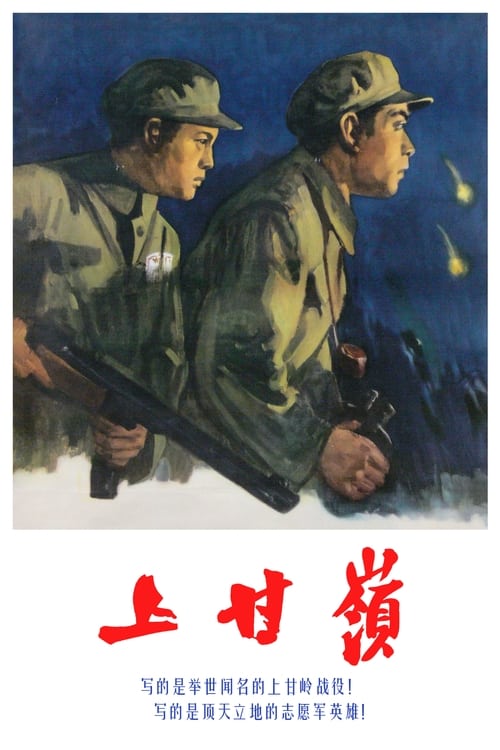
1956

2022
No reviews yet. Be the first to share your thoughts on this movie!
Use the rating form above to leave a star rating and optional review.