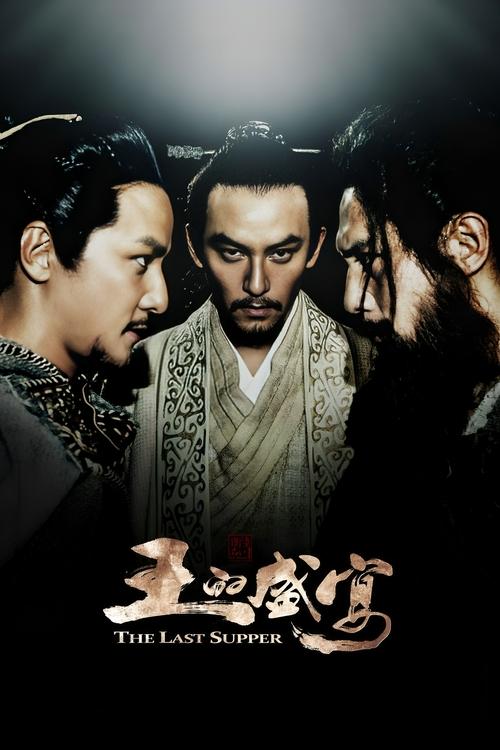
The Last Supper
2012
No user ratings available yet
Representation score: 7.4 out of 10

Representation Score
Fair
2006
RDirector
Jacob Cheung Chi-Leung
Runtime
133 minutes
Average Rating
No ratings yetNew Showbiz Analysis
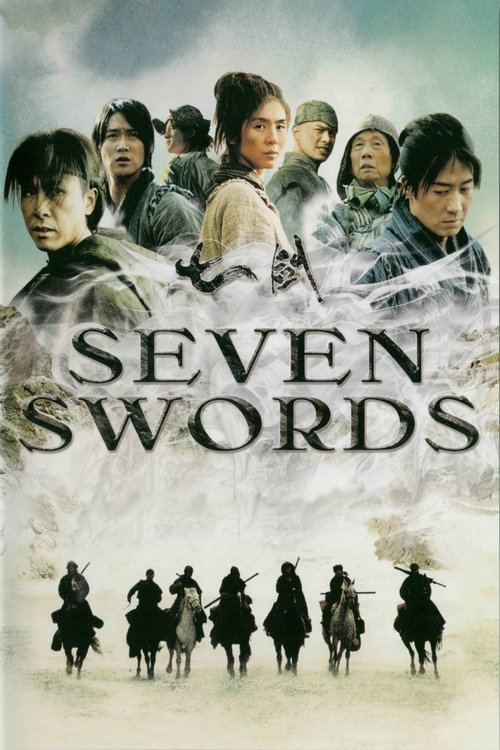
Battle of the Warriors is a traditional historical epic that emphasizes historical accuracy over modern diversity. It explores the philosophical ideas of the Mo-Tsu, examining the consequences of state-driven conflict. The film does not include diverse representations of gender or LGBTQ+ identities, sticking to the patriarchal structures of the Warring States period. However, the film offers a nuanced critique of traditional power structures. It portrays the Mo-Tsu as a underrepresented group fighting against systemic oppression, providing a sophisticated commentary on monarchical ambitions.
Category Breakdown
The film follows a conventional storyline that assumes everyone is straight and cisgender. There are no characters with non-traditional gender identities or same-sex relationships.
The story centers around male generals and strategists, while women play supporting roles that reflect the social norms of the time.
The cast is made up of actors who share similar ethnic backgrounds, reflecting the historical setting of ancient China. However, the film highlights the diverse identities of the various warring states.
By focusing on the Mo-Tsu tribe, the film criticizes the expansionist warfare and traditional power structures. It portrays the pursuit of absolute authority as harmful.
Characters with disabilities are mainly used as plot devices to show the brutality of war. These characters do not have their own stories or development.
Present on Screen
Limited or Absent
Official Synopsis
In 370 B.C, China was separated as seven nations and several other small tribes, one of these being the city state of Liang. The nation of Zhao is led by the terrifying Xiang Yangzhong who orders his troops to conquer the small city. Leaping to the defense of the people of Liang is 'Ge Li' from the Mo-Tsu tribe, their last hope from the terrors of Yangzhong's troops.
2012
2013
2002
2016
2008
2010
2005
2017
No reviews yet. Be the first to share your thoughts on this movie!
Use the rating form above to leave a star rating and optional review.