
Godzilla vs. Gigan
1972
No user ratings available yet
Representation score: 2.0 out of 10
Representation Score
Minimal
1974
GDirector
Jun Fukuda
Runtime
84 minutes
Average Rating
No ratings yetNew Showbiz Analysis
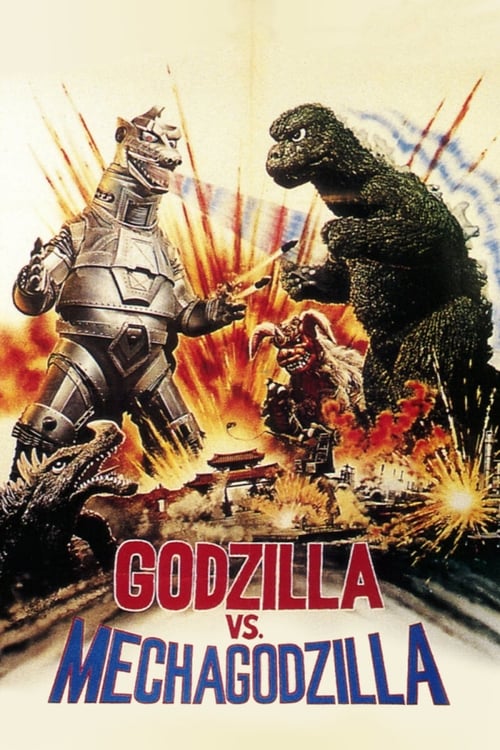
Godzilla vs. Mechagodzilla functions as a traditional genre spectacle rather than a vehicle for social commentary. The narrative prioritizes the conflict between biological nature and technological intervention over the exploration of multi-layered identities. The film adheres to the established studio formulas of the 1970s, centering on male-dominated hierarchies. This focus on institutional authority and national defense results in a lack of representation across most social categories. Ultimately, the film is a product of its specific temporal context. It maintains traditional social structures and offers little movement toward progressive or diverse frameworks.
Category Breakdown
The film follows a strictly straight-centered structure. There are no depictions of queer identities or non-assuming gender matches what was assigned at birth subtext within the character arcs.
Women play a negligible role, reinforcing traditional 1970s gender hierarchies. Male scientists and military officers dominate the narrative.
The cast is largely homogeneous, reflecting its era as a domestic Japanese production. It lacks diverse casting but remains culturally specific.
The story emphasizes institutional stability and national defense. It focuses on protecting civilization rather than exploring moral relativism or diverse cultural critiques.
There is no representation of physical or neurodivergent disabilities. Characters are defined solely by their functional roles in military or scientific contexts.
Present on Screen
Limited or Absent
Official Synopsis
An Okinawan prophecy that foretells the destruction of the Earth is seeming fulfilled when Godzilla emerges to return to his destructive roots. But not all is what it seems after Godzilla breaks his ally Anguirus's jaw. Matters are further complicated when a second Godzilla emerges, revealing the doppelgänger as a mechanical weapon.
1972
1991
1973
1993
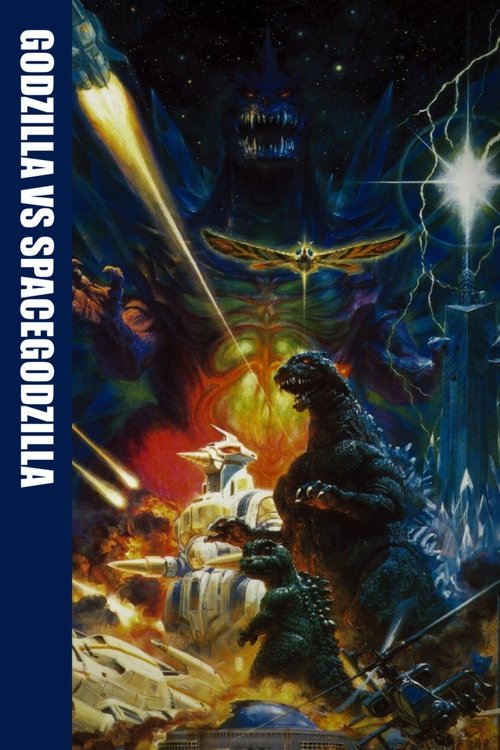
1994
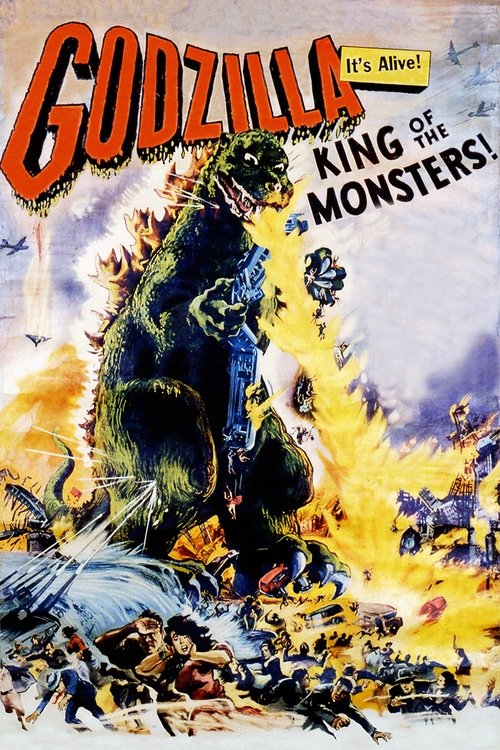
1956
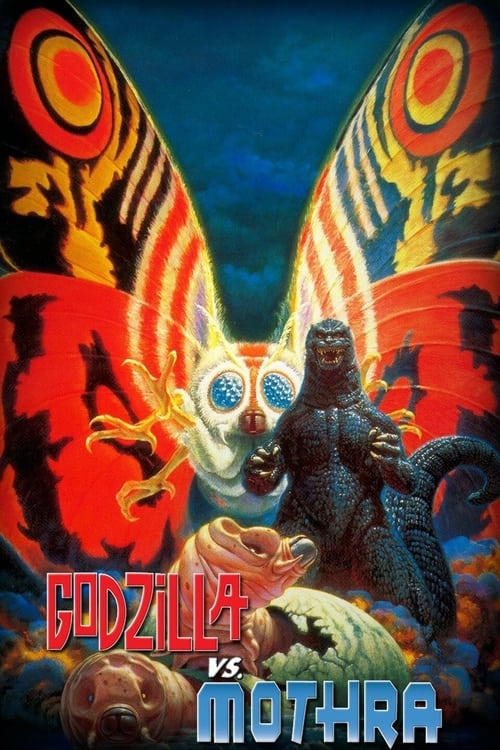
1992
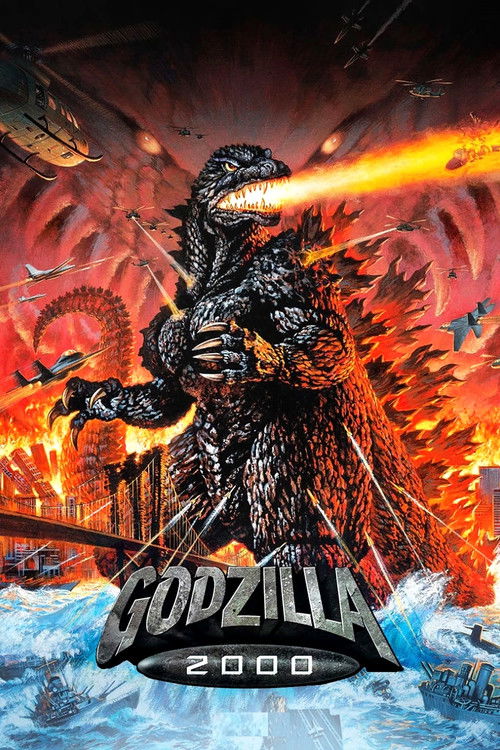
1999
No reviews yet. Be the first to share your thoughts on this movie!
Use the rating form above to leave a star rating and optional review.