
Dream Deceivers: The Story Behind James Vance vs. Judas Priest
1992
No user ratings available yet
Diversity score: 4.3 out of 10
2019
NRDirector
Tom O'Dell
Runtime
117 minutes
Average Rating
No ratings yetSynopsis
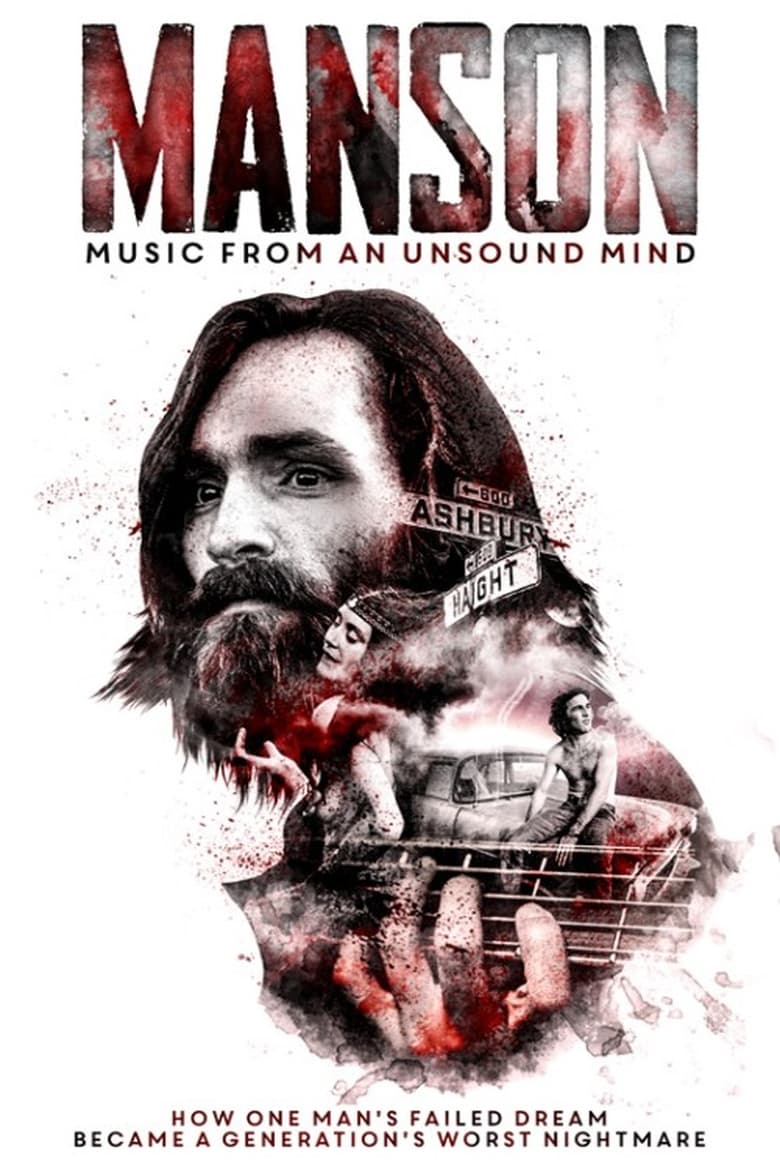
The untold story of Charles Manson's obsession to become a rock star, his rise in the LA music scene, the celebrities who championed his music, his tragic friendship with The Beach Boys' Dennis Wilson and his descent into violence and chaos once his dreams fell apart.
Overall Score
Limited
Category Breakdown
LGBTQ+ Representation
The film focuses on the Manson Family and the mid-century music scene. It contains no documented LGBTQ+ characters or narratives addressing non-cisnormative identities.
Gender Representation
The documentary explores the subversion of gender hierarchies through a lens of exploitation. It depicts women being subjected to intense psychological manipulation within a cult structure.
Racial & Ethnic Diversity
The narrative examines 1960s racial tensions through Manson's distorted 'Helter Skelter' ideology. Representation is largely centered on the white counterculture of the era.
Religious & Cultural Diversity
The film critiques traditional Western institutions and mid-century American values. It portrays the era's social norms as vulnerable to radical individualism and nihilism.
Disability Representation
The film explores psychological instability and 'unsound minds.' However, it portrays mental health through the lens of criminal agency rather than nuanced neurodivergent representation.
Strengths
Areas for Improvement
AI Analysis
This documentary functions as a historical study of the 1960s counterculture and the breakdown of social stability. It prioritizes the deconstruction of traditional Western institutions and the rise of anti-authoritarian ideologies over inclusive representation. The film examines how radicalized elements of the era challenged social hierarchies. While it engages with themes of moral relativism, the focus remains on the destructive consequences of social fragmentation rather than the empowerment of marginalized groups. Ultimately, the work is a specialized look at how psychological manipulation and cultural shifts allowed for extreme anti-social behaviors to emerge under the guise of rebellion.
1992

2022
1973
1999
2008
2007
2019

2016

2005

2005

2018
2016
No reviews yet. Be the first to share your thoughts on this movie!
Use the rating form above to leave a star rating and optional review.