
Menuhin, A Family Portrait
1991
No user ratings available yet
Diversity score: 4.5 out of 10
2008
Director
Vikram Jayanti
Runtime
100 minutes
Average Rating
No ratings yetSynopsis
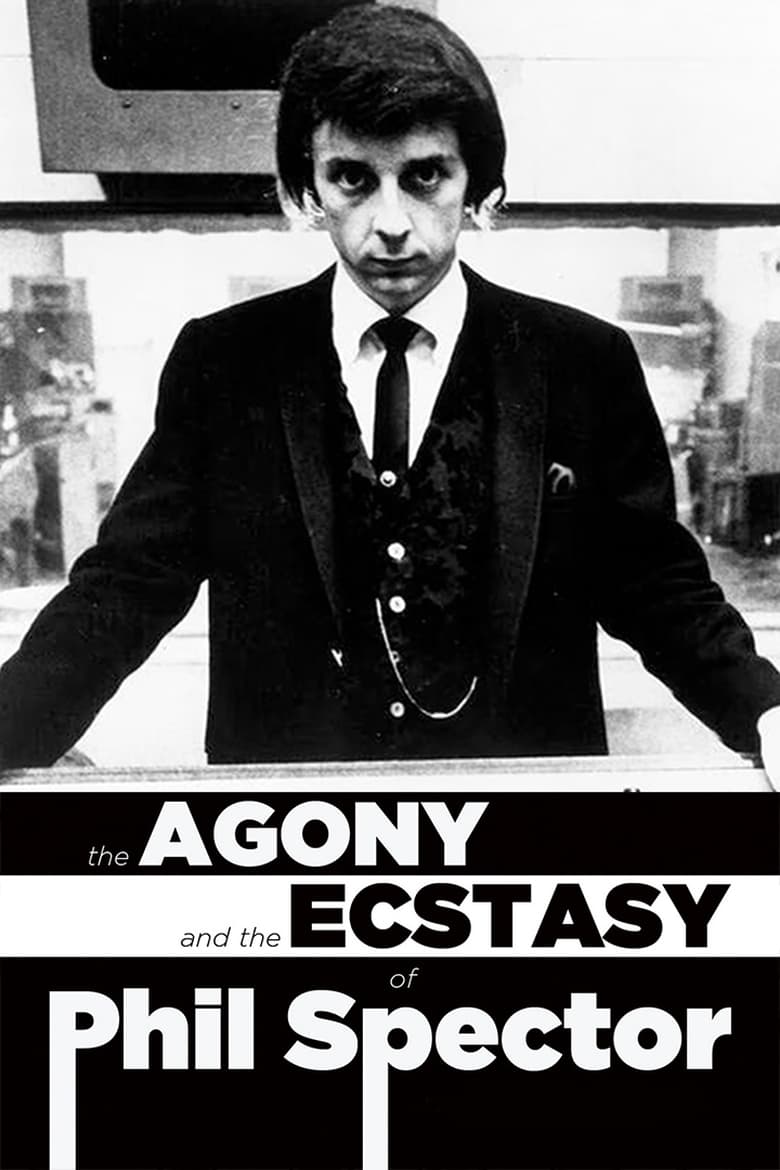
Phil Spector is a pioneer of American music, a legendary producer to John Lennon and Tina Turner, and, as of April 13th 2009, a convicted murderer. Yet the Spector who appears in Vikram Jayanti's documentary is not the severe, outlandishly coiffed defendant seen in sensationalistic accounts of his trial, but a charming, savvy music executive with a generous, but arguably accurate, estimation of his place in the history of popular music.
Overall Score
Limited
Category Breakdown
LGBTQ+ Representation
The documentary focuses on the professional life and legal trials of Phil Spector. It contains no evidence of LGBTQ+ characters or narratives addressing non-heteronormative identities.
Gender Representation
The narrative centers on a male figure of significant historical influence. While it mentions work with artists like Tina Turner, the focus remains on Spector’s own agency and perspective.
Racial & Ethnic Diversity
The film engages with racial diversity through Spector's professional legacy and collaborations with diverse artists. However, the primary agency remains with the white protagonist.
Religious & Cultural Diversity
The film explores the tension between individual achievement and systemic legal accountability. It presents a nuanced study of moral complexity rather than a binary good versus evil framework.
Disability Representation
There is no evidence that neurodivergence, mental health, or physical disabilities are central themes or represented through specific characters in this work.
Strengths
Areas for Improvement
AI Analysis
The documentary functions as a biographical character study centered on a high-status male figure. While it avoids reductive stereotypes by seeking a complex understanding of Spector, the narrative architecture remains heavily skewed toward a single perspective. The film's strength lies in its refusal to adopt a sensationalistic or binary moral judgment. It moves beyond the 'great man' mythos to examine the intersection of musical genius and criminal culpability. However, the work lacks intersectional depth. The diverse artists Spector worked with are positioned as collaborators rather than central figures, leaving the film without proactive representation of varied identities.
1991
2012
2009
2019
2013

2019
2009
2018
2005

2006
2012

2016
No reviews yet. Be the first to share your thoughts on this movie!
Use the rating form above to leave a star rating and optional review.