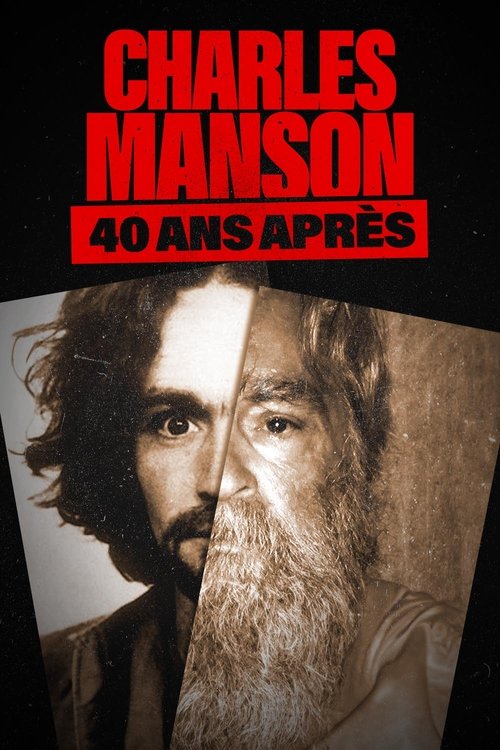
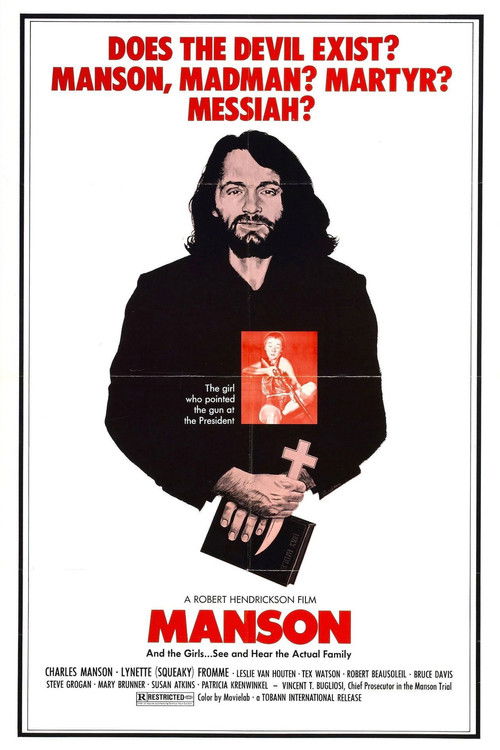
Manson
2009
No user ratings available yet
Representation score: 2.8 out of 10
Representation Score
Limited
1973
RDirector
Robert Hendrickson, Laurence Merrick
Runtime
83 minutes
Average Rating
No ratings yetNew Showbiz Analysis
Manson (1973) functions as a historical document of a specific criminal era rather than a vehicle for social subversion. The film's structure is built around journalistic inquiry and the legal aftermath of the Tate-LaBianca murders. Since the narrative is driven by the perspective of prosecuting attorney Vincent Bugliosi, the film reinforces traditional institutional hierarchies. This focus on law and order limits opportunities for complex, multi-layered character studies. The documentary lacks intentionality regarding progressive representation. It remains centered on a localized American phenomenon, adhering to the conventional social order of the early 1970s.
Category Breakdown
The film focuses on legal proceedings and interviews with Manson Family members. There is no evidence of non-binary gender identities or critiques of the assumption that everyone is straight.
Women such as Lynette Fromme and Sandra Good appear, but are shown primarily through their relationship to central male figures. The narrative emphasizes the legal perspective of prosecuting attorney Vincent Bugliosi, reinforcing traditional patriarchal structures.
The documentary centers on a specific American subculture and its legal response. There is no indication of a predominantly non-white or non-Anglo-Saxon cast.
The film explores the tension between institutional authority and a counter-cultural movement. It upholds Western legal and social institutions rather than promoting secular viewpoints.
The film does not provide any information about the portrayal of physical or neurodivergent disabilities.
Present on Screen
Limited or Absent
Official Synopsis
Prosecuting attorney Vincent Bugliosi and Manson "family" members Lynette Fromme, Mary Brunner and Sandra Good discuss the Tate-LaBianca murders.
2009

2024

2009
2015
2019
2003

2008
2015
No reviews yet. Be the first to share your thoughts on this movie!
Use the rating form above to leave a star rating and optional review.