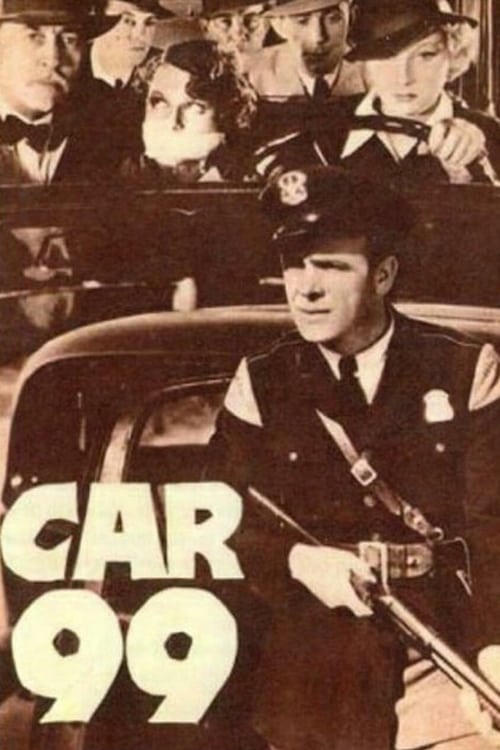
Car 99
1935
No user ratings available yet
Diversity score: 1.9 out of 10
1946
ApprovedDirector
Lesley Selander
Runtime
56 minutes
Average Rating
No ratings yetSynopsis
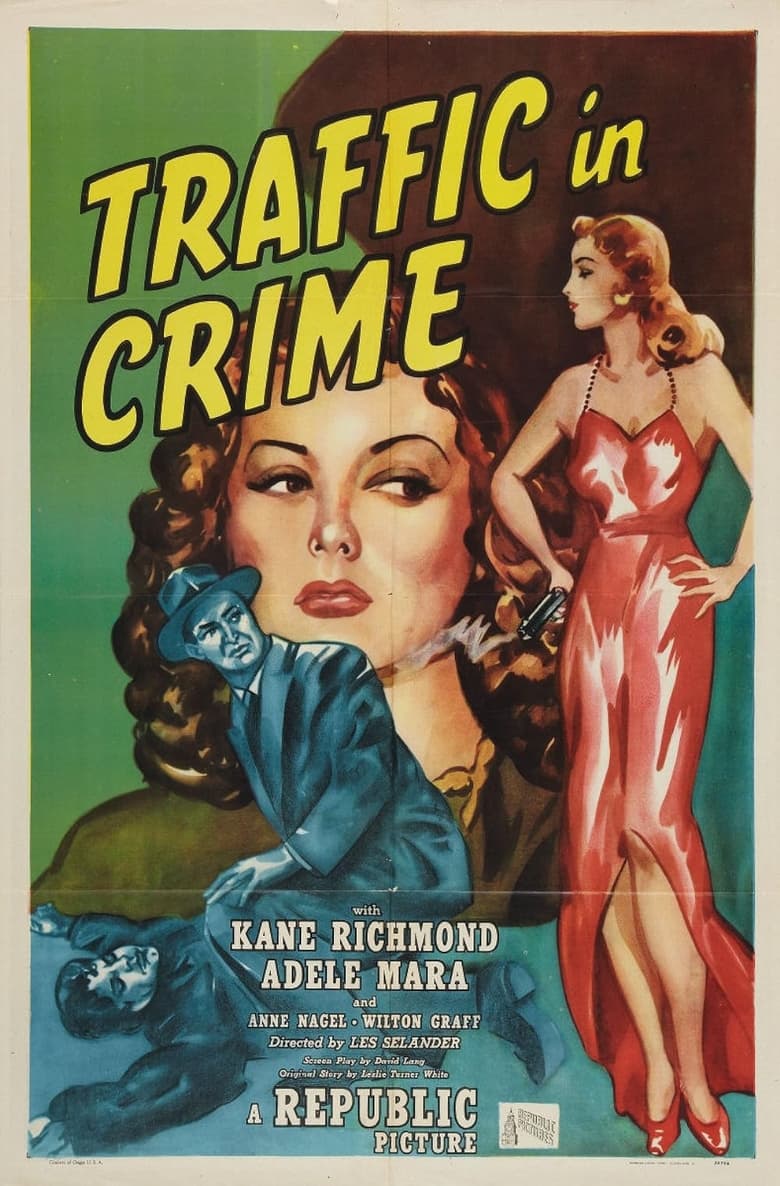
Police Chief Jim Murphy, in a crime-ridden city, deputizes newspaper-reporter Sam Wire, to work as an undercover operative to rid the town of the gangster element. Sam taunts and tricks the two leading gangsters, a mob girl, 'Silk" Cantrell, and a bribe-taking police official, into setting ambushes and death-traps for him, which backfire on them, and achieve his assignment directive.
Overall Score
Minimal
Category Breakdown
LGBTQ+ Representation
The film lacks any depiction of non-heteronormative identities or same-sex intimacy. It relies on traditional gendered archetypes common to 1940s crime thrillers.
Gender Representation
Agency is concentrated in male characters like Sam Wire and the Police Chief. The female antagonist, 'Silk' Cantrell, fits the standard femme fatale trope rather than disrupting gender hierarchies.
Racial & Ethnic Diversity
There is no evidence of a multi-ethnic cast or diverse character backgrounds. The narrative appears to reflect the homogeneous casting norms typical of mid-century crime procedurals.
Religious & Cultural Diversity
The story reinforces traditional Western institutional values by celebrating the triumph of law and order. It focuses on civic morality and the restoration of stability through established legal channels.
Disability Representation
The film provides no visible representation of characters with physical or neurodivergent disabilities.
Strengths
Areas for Improvement
AI Analysis
Traffic in Crime is a standard 1940s crime procedural that prioritizes genre tropes over social complexity. The narrative structure is built around a male protagonist and male authority figures, reinforcing the patriarchal norms of the era. Representation is minimal across the board. The film adheres to the homogeneous casting and traditional moral frameworks typical of mid-century B-movies, focusing on a linear battle between law enforcement and organized crime. Ultimately, the film functions as a conventional genre piece. It lacks the depth required to challenge social hierarchies or offer meaningful intersectional perspectives, opting instead for established cultural archetypes.
1935
1938
1947
1976
2001
1944
1963
1940
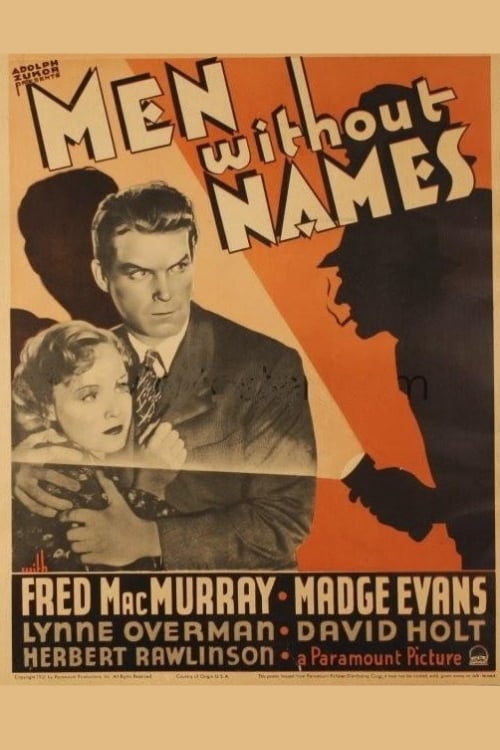
1935
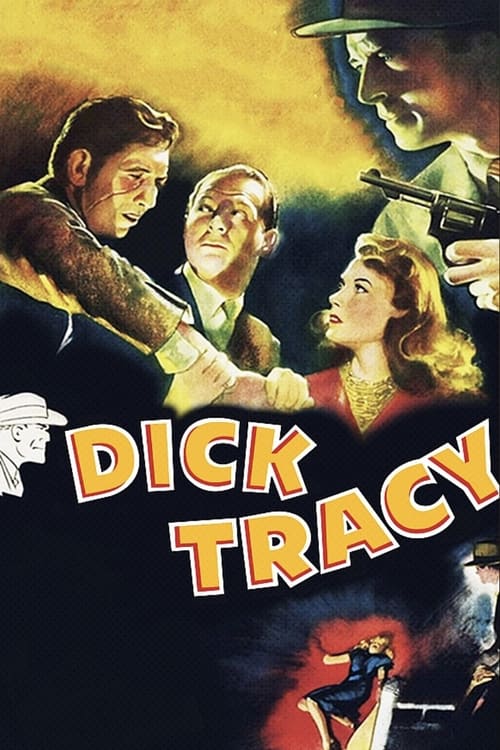
1945
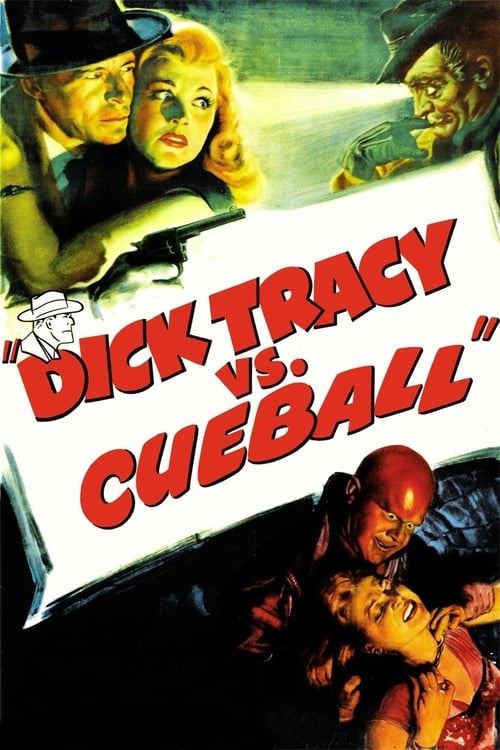
1946

1949
No reviews yet. Be the first to share your thoughts on this movie!
Use the rating form above to leave a star rating and optional review.