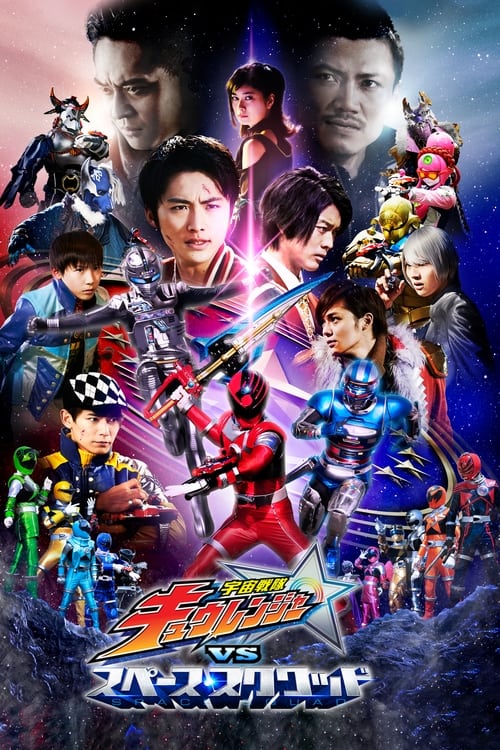
Uchu Sentai Kyuranger vs. Space Squad
2018
No user ratings available yet
Representation score: 6.0 out of 10
Representation Score
Limited
2017
Director
Koichi Sakamoto
Runtime
85 minutes
Average Rating
No ratings yetNew Showbiz Analysis
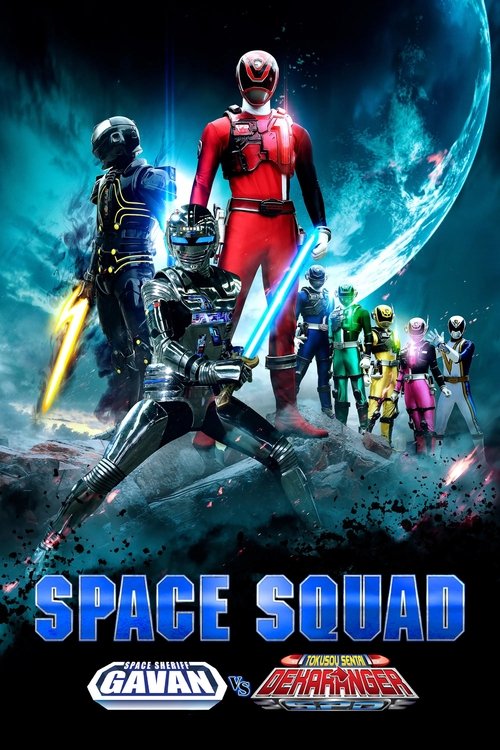
Space Squad: Space Sheriff Gavan VS Tokusou Sentai Dekaranger is a high-energy crossover designed for genre fans. It prioritizes continuity and physical action over exploring complex social identities or multi-layered themes. The narrative reinforces traditional authority through its space police protagonists. It operates within a framework of established hero archetypes, focusing on combat efficacy and institutional stability rather than deconstructing social hierarchies. Ultimately, the film serves as a standard Tokusatsu production. It meets the genre's expectations but avoids engaging with progressive identity politics or challenging conventional norms.
Category Breakdown
The film focuses on traditional hero roles centered around combat and teamwork. It does not explore queer identities or challenge assumptions about straight relationships.
The cast follows typical genre conventions common to Super Sentai series. Leadership and combat roles align with traditional action-hero archetypes, reinforcing gender norms.
The cast is primarily made up of characters from a similar background, reflecting the film's Japanese production context. Alien species serve as typical villains rather than nuanced explorations of racial diversity.
The story revolves around space police and cosmic order. It emphasizes institutional authority and stability, avoiding critiques of social structures or moral relativism.
Characters are defined by physical strength and technological enhancements. There is no depiction of characters navigating neurodivergence or physical disabilities with significant influence.
Present on Screen
Limited or Absent
Official Synopsis
Space Squad: Space Sheriff Gavan VS Tokusou Sentai Dekaranger features the return of Yuma Ishigaki from 2012’s Space Sheriff Gavan: The Movie and the 2015 Space Sheriff Next Generation films. The first installment will join the two police-themed heroes as they face a massive space crime organization.
2018

2002
2017
2014
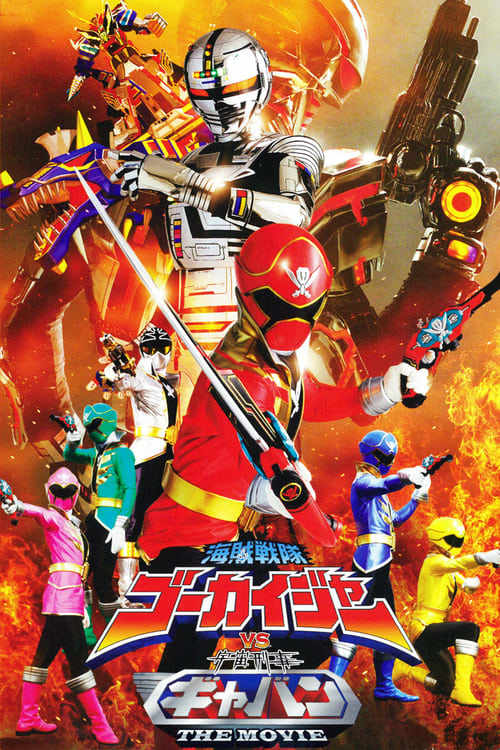
2012
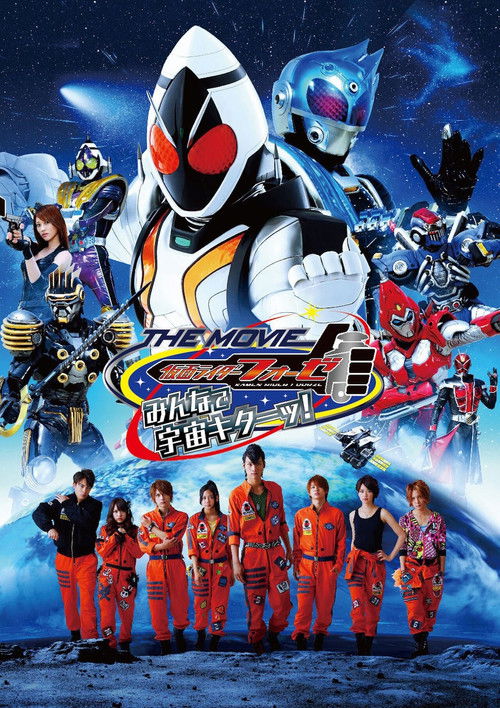
2012
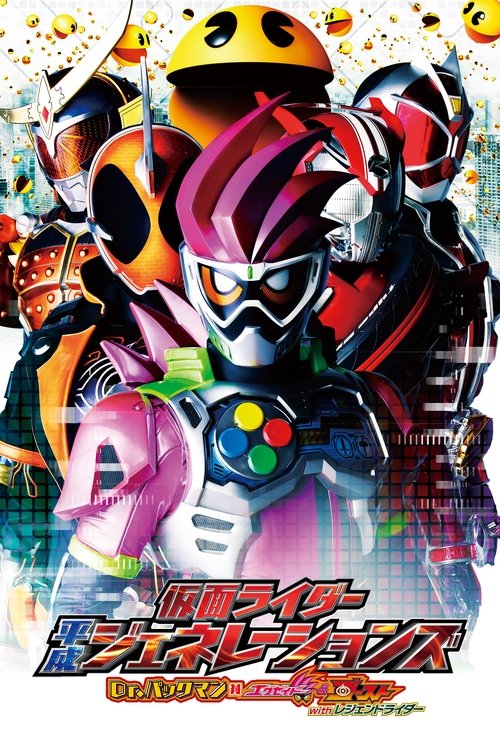
2016
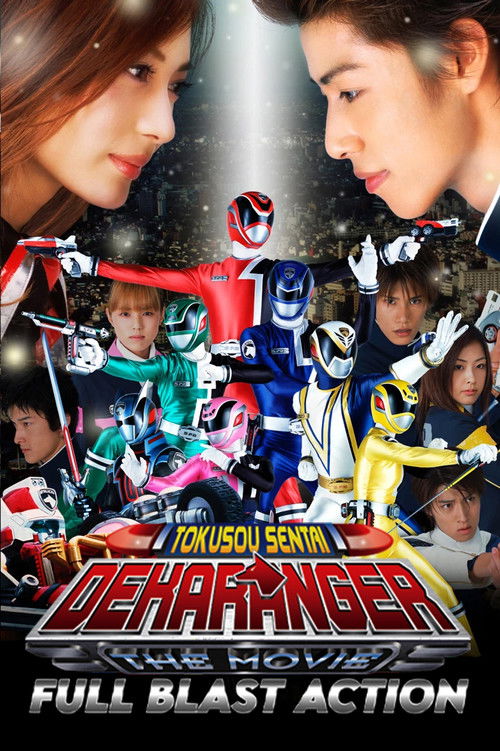
2004
No reviews yet. Be the first to share your thoughts on this movie!
Use the rating form above to leave a star rating and optional review.