The Ouija Board
1920
No user ratings available yet
Representation score: 0.8 out of 10
Representation Score
Minimal
1936
ApprovedDirector
Dave Fleischer
Runtime
8 minutes
Average Rating
No ratings yetNew Showbiz Analysis
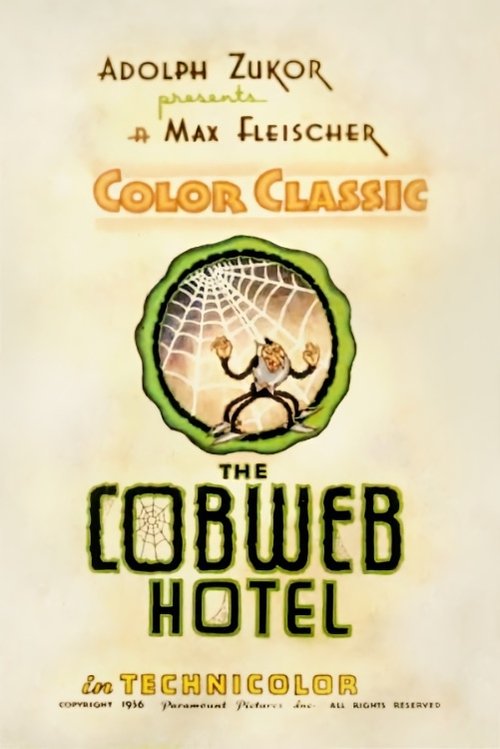
The Cobweb Hotel serves as a technical showcase for Fleischer Studios, emphasizing surrealist animation and slapstick humor over social commentary. The narrative uses anthropomorphic insects to explore a predator-prey dynamic within a micro-scale setting. While the film introduces themes of captivity by subverting the safety of a hospitality setting, it remains rooted in the traditional standards of 1930s animation. It relies on physical comedy rather than any deliberate critique of societal power structures or diverse identities. Ultimately, the work is a product of its time, utilizing classic clichés and domestic archetypes without addressing varied perspectives.
Category Breakdown
The film focuses on a newlywed couple, reinforcing the idea that everyone is straight and cisgender. There are no LGBTQ+ identities or subtexts present.
Gender roles adhere to 1930s traditions. The male fly is defined by his physical strength, while the female character is confined to a domestic marital role.
As an anthropomorphic insect animation, the film lacks human racial or ethnic markers. The cast is uniform in its biological identity.
The story emphasizes slapstick humor rather than religious or cultural critiques. It depicts a breakdown of social order through chaotic survival scenarios.
There is no representation of physical or neurodivergent disabilities. Characters are energetic archetypes typical of the era.
Present on Screen
Limited or Absent
Official Synopsis
A spider runs a hotel for flies where he keeps his guests captive. A pair of fly newlyweds arrive and check in. Fortunately, the husband is "flyweight champion". After a pitched battle featuring arrows (fountain pen nibs) and a machine-gun (aspirins shot from a perfume atomizer), the spider winds up in a bottle of library paste.
1920

1938
1931
1940
1935
1938
1942
1932
No reviews yet. Be the first to share your thoughts on this movie!
Use the rating form above to leave a star rating and optional review.