
Ghost Town Frolics
1938
No user ratings available yet
Representation score: 3.3 out of 10
Representation Score
Minimal
1920
Director
Max Fleischer
Runtime
6 minutes
Average Rating
No ratings yetNew Showbiz Analysis
Max Fleischer’s 1920 short is a groundbreaking piece of technical innovation, emphasizing the surreal blending of animated and real-world elements. The narrative centers on slapstick humor and the breaking of the fourth wall through Koko the clown’s interaction with the live-action studio environment. Given its production era, the film lacks intentional diversity in narrative structure. Characters primarily serve as comedic tools without deeper social commentary or identity exploration. Ultimately, the work highlights Fleischer’s skill in merging animation with live-action settings, while largely ignoring social hierarchies and diverse representation.
Category Breakdown
The film does not include any characters with LGBTQ+ identities, and there is no complexity in the representation of queer individuals.
The story focuses on male characters, particularly the director and the janitor. There is no indication of women taking active roles or challenging gender hierarchies.
The animation setting appears to reflect the homogeneity typical of early 20th-century American animation. No specific racial or ethnic diversity is mentioned.
Supernatural elements such as ghosts and the Ouija board are used for comedic purposes. The film does not address specific cultural or secular critiques.
There is no evidence regarding the portrayal of physical or neurodivergent disabilities within the work.
Present on Screen
Limited or Absent
Official Synopsis
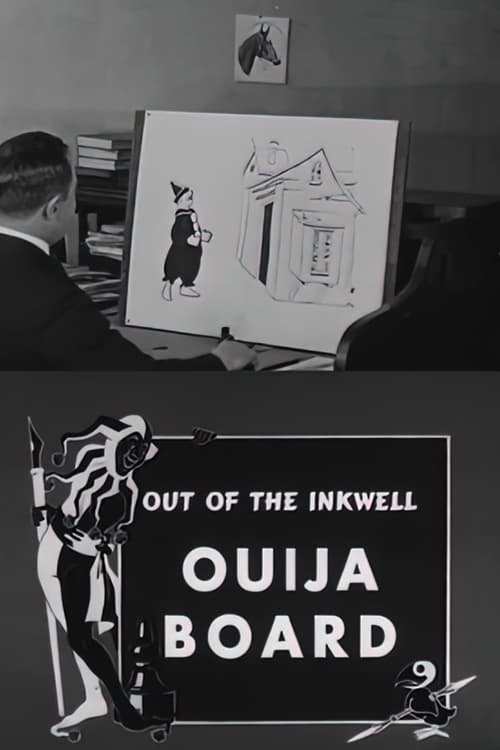
Max Fleischer draws Koko and a haunted house, while his colleague and the janitor mess around with a Ouija board. When Max goes over to take a look, Koko is haunted by ghosts and inanimate objects, and escapes into the real-world studio.
1938
1907

1936
1923
1933

1931
1939
1924
No reviews yet. Be the first to share your thoughts on this movie!
Use the rating form above to leave a star rating and optional review.