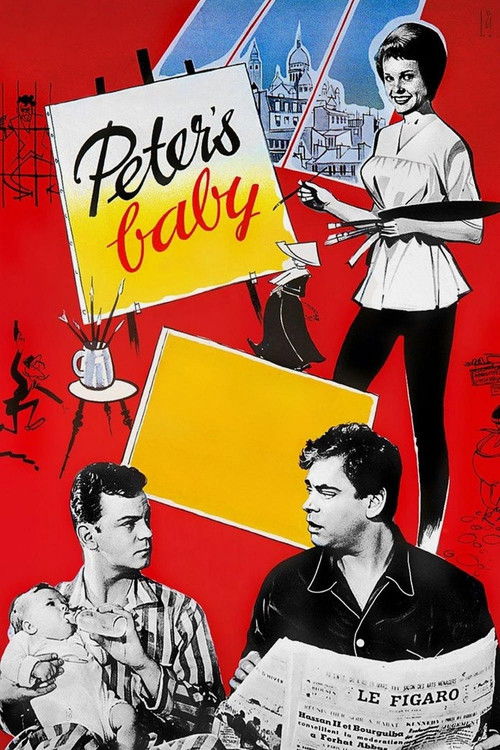
Peter's baby
1961
No user ratings available yet
Diversity score: 3.0 out of 10

1990
Director
Duccio Tessari
Average Rating
No ratings yetSynopsis
A Milanese manager inherits a castle in Tuscany and moves there with his girlfriend and her little son, transforming it into a dog nursery.
Overall Score
Limited
Category Breakdown
LGBTQ+ Representation
The story centers on a conventional romantic partnership between a manager and his girlfriend. It lacks non-cisnormative identities or narratives that challenge heteronormative structures.
Gender Representation
A male protagonist drives the plot through property inheritance and life changes. While a female partner and child are present, the power dynamics follow traditional gender hierarchies.
Racial & Ethnic Diversity
Set in Tuscany with a Milanese lead, the film appears to reflect a homogeneous demographic. There is no evidence of diverse casting or multi-ethnic ensembles.
Religious & Cultural Diversity
The film focuses on domestic themes and the transformation of a traditional estate. It reinforces traditional family units rather than offering a critique of social institutions.
Disability Representation
The narrative contains no mention of characters with physical or neurodivergent disabilities. There is no visible representation of disability within the story.
Strengths
Areas for Improvement
AI Analysis
This comedy operates within the standard frameworks of European commercial cinema. It prioritizes traditional social structures and localized Italian norms, offering little in the way of systemic subversion or demographic complexity. The narrative architecture relies on conventional tropes, such as a male-driven plot centered on inheritance and domesticity. This approach maintains established hierarchies rather than challenging them. Ultimately, the film functions as a localized, traditional domestic comedy. It lacks the intentionality required to disrupt demographic norms or provide diverse representation.
1961
1970

2012
2000
2013
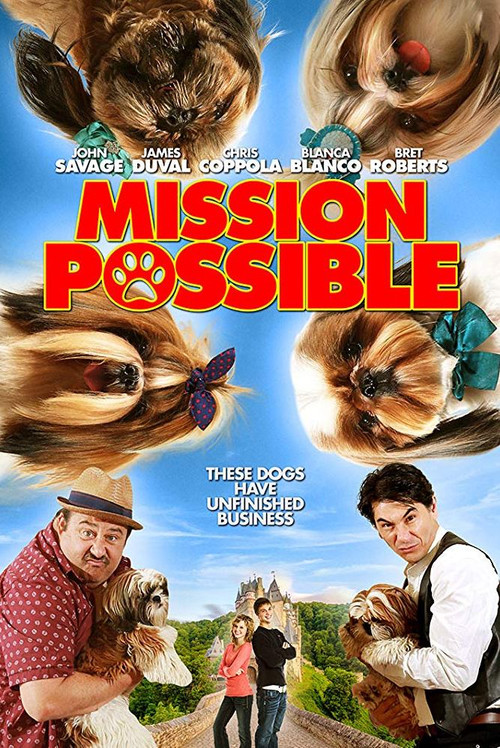
2018
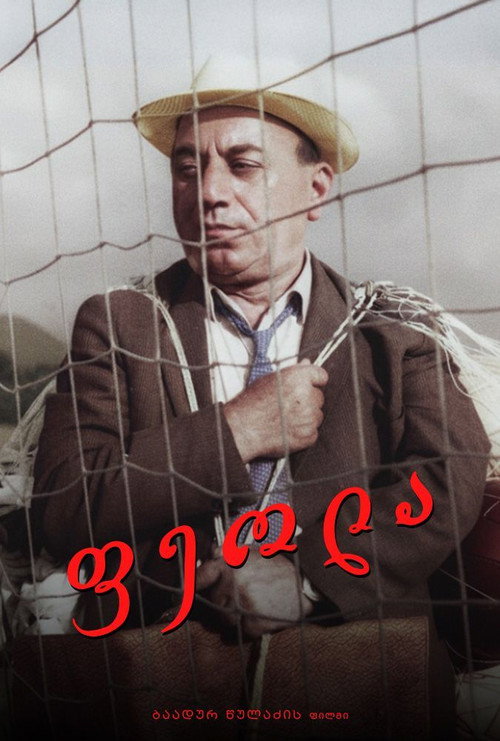
1970
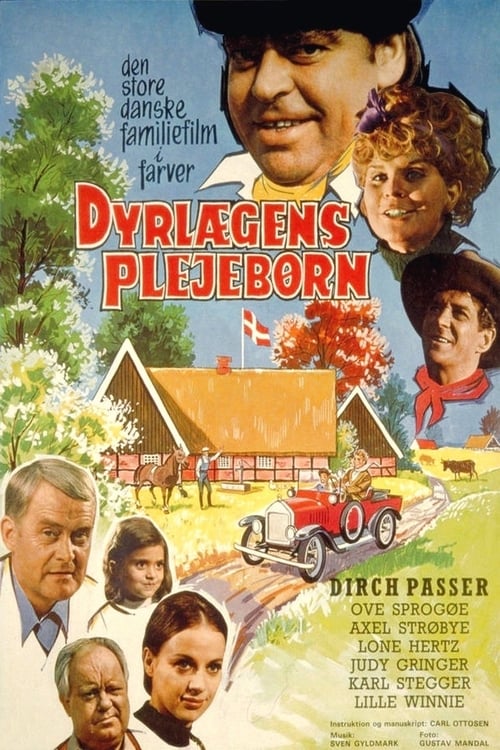
1968

2017

2004
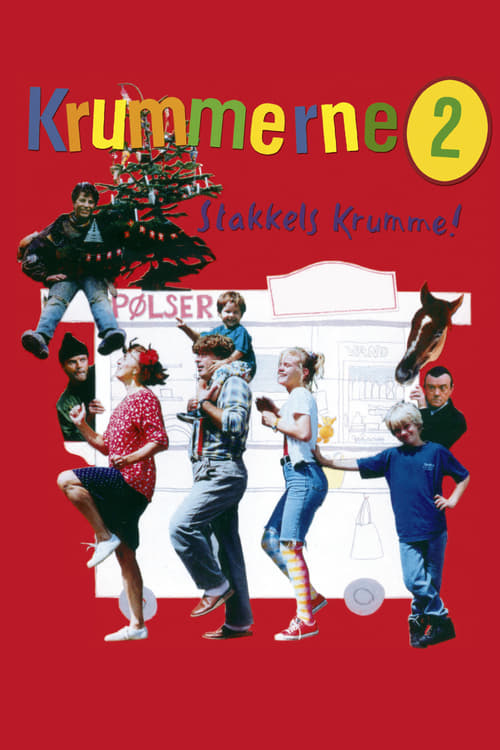
1992

2012
No reviews yet. Be the first to share your thoughts on this movie!
Use the rating form above to leave a star rating and optional review.