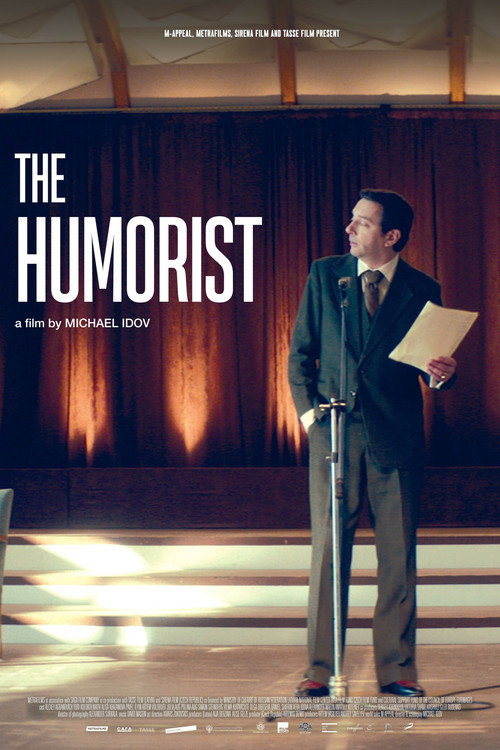
The Humorist
2019
No user ratings available yet
Representation score: 3.2 out of 10
Representation Score
Fair
1989
Director
Dmitri Frolov
Runtime
53 minutes
Average Rating
No ratings yetNew Showbiz Analysis
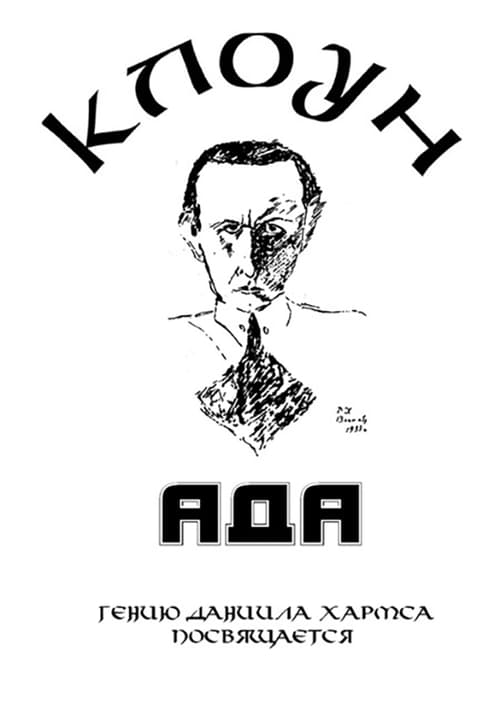
Clownery is a stylistic experiment that prioritizes the subversion of historical norms over explicit demographic inclusion. By adapting the absurdist works of Daniil Kharms, the film engages deeply with cultural resistance and the critique of systemic oppression during the Soviet 'era of silence.' While the film's surrealist architecture likely deconstructs traditional social roles, it lacks verifiable data regarding specific representation for LGBTQ+ individuals, various racial groups, or people with disabilities. The narrative functions more through allusion and association than through clear character-driven diversity. Ultimately, the film's strength lies in its intellectual and cultural defiance. It trades traditional social realism for a world of illusions, making it a work of stylistic subversion rather than a showcase for diverse identity politics.
Category Breakdown
The film uses an absurdist framework and a stream-of-consciousness style that disrupts the assumption that everyone is straight or cisgender. However, there is no explicit evidence of LGBTQ+ character arcs or romantic pairings.
The tragicomedy's focus on surrealism suggests a departure from traditional gender hierarchies. The narrative likely replaces standard masculine or feminine roles with fragmented, symbolic identities.
The film recreates the 1930s Soviet era, likely reflecting the specific ethnic demographics of that period. There is no evidence of intentional multi-ethnic blending or race-bent casting.
The film shows high engagement with anti-institutional themes by centering on the suppressed works of Daniil Kharms. It prioritizes individual internal reality over state-mandated truths.
There is no mention of characters with physical or neurodivergent disabilities. No assessment can be made regarding this category.
Present on Screen
Limited or Absent
Official Synopsis
The tragicomedy of the absurd, is based on the works of Daniil Kharms (1905-1942). Trying to recreate reality 30s, who came to the flowering of creativity Harms, the director plays the style of filming, acting at that time and enters into the picture, "the aged" sound. Thus, it is possible to achieve maximum reliability of the author's text and sound to help the viewer to immerse themselves in the atmosphere in which he lived and worked classic absurdity. This is - a world of illusions, allusions and associations, reflecting a stream of consciousness of the creator living in an era of silence.
2019
2014
1995

2007
1966
2014
2007
1977
No reviews yet. Be the first to share your thoughts on this movie!
Use the rating form above to leave a star rating and optional review.