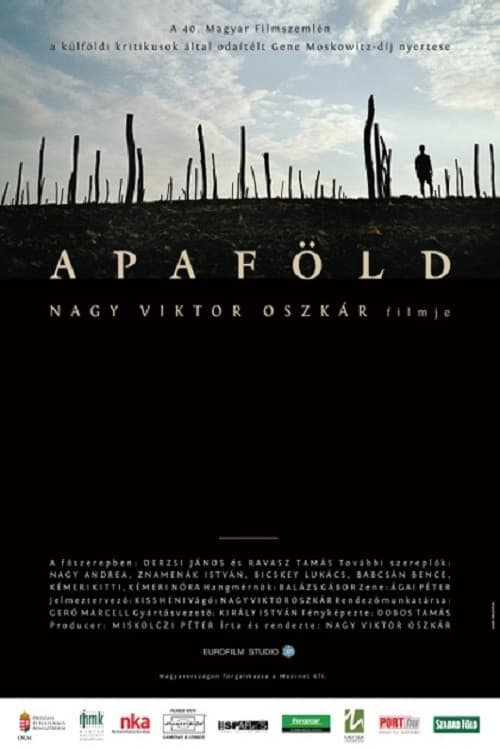
Father's Acre
2009
No user ratings available yet
Representation score: 0.9 out of 10
Representation Score
Fair
1982
Director
Miroslav Mikuljan
Runtime
94 minutes
Average Rating
No ratings yetNew Showbiz Analysis
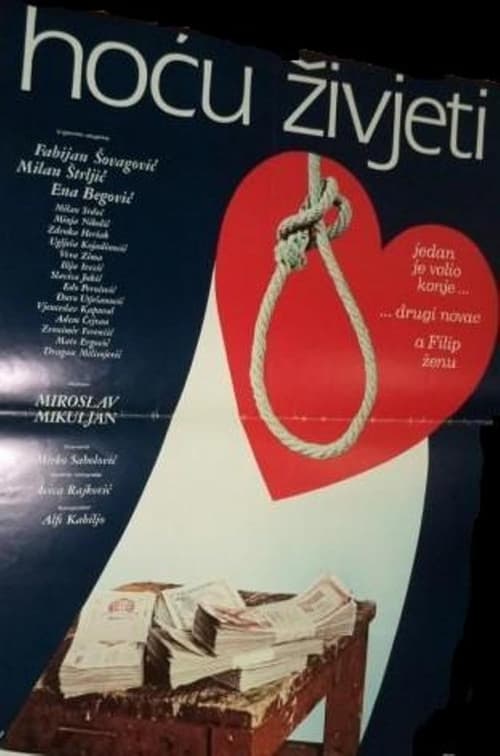
I Want to Live (1982) functions primarily as a generational drama centered on the friction within a farming family. It explores the deconstruction of traditional social roles and the tension between individual ability to act and patriarchal authority. However, the film relies on reductive characterizations, particularly regarding the female lead. The lack of diverse identity markers and the focus on a localized, homogeneous setting limit its broader social scope. Ultimately, while the film challenges the stability of the traditional family unit, it remains rooted in conventional storytelling structures.
Category Breakdown
The film does not include any explicit LGBTQ+ characters or relationships. The main romantic relationship is between the male protagonist and a female character, following a traditional heterosexual pairing.
The story revolves around a patriarchal conflict between a father and his son. The female lead is portrayed through a narrow lens, suggesting a reliance on traditional gender stereotypes.
The drama focuses on a small, homogeneous farming community. There is no indication of multi-ethnic blending or racial stereotyping.
The narrative critiques traditional agrarian practices and ancestral authority. It emphasizes individual autonomy over the preservation of inherited social roles and the traditional family structure.
There is no mention of characters with visible or invisible disabilities. No information is available regarding neurodivergence or physical disabilities.
Present on Screen
Limited or Absent
Official Synopsis
Deals with the father-son conflict in a farming family. The two never see eye to eye especially over the way the farm is run. The boy opts for a different way of life and also falls in love with a dumb girl to the horror of his family.
2009
1967
1973

1999
2011
1973

2015

1985
No reviews yet. Be the first to share your thoughts on this movie!
Use the rating form above to leave a star rating and optional review.