
Take It Easy
1974
No user ratings available yet
Representation score: 1.2 out of 10
Representation Score
Minimal
1967
Director
Sylwester Chęciński
Runtime
81 minutes
Average Rating
No ratings yetNew Showbiz Analysis
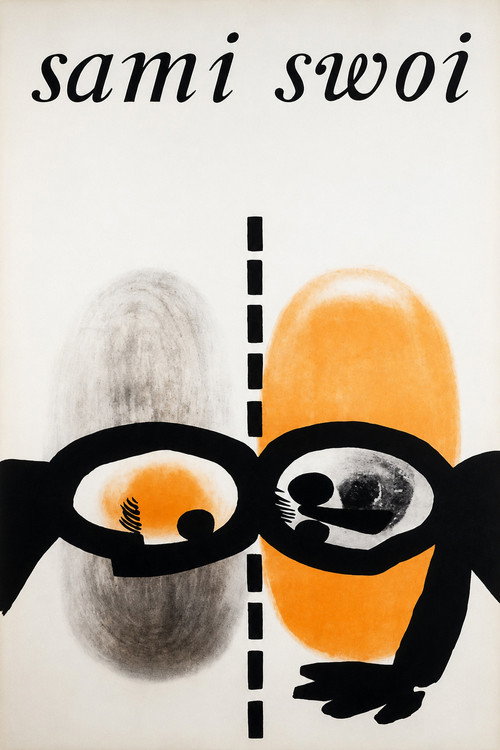
Sami swoi is a period-specific comedy that prioritizes local social dynamics over characters who reflect more than one aspect of diversity. The film's narrative structure is rooted in a culturally homogeneous, post-war Polish setting, which limits its demographic breadth. While the film lacks modern markers of diversity, it succeeds in deconstructing traditional community cohesion. It uses humor to expose the flaws in established social and familial institutions rather than presenting a romanticized view of rural life. The work functions as a study of situational absurdity, challenging patriarchal norms and the sanctity of neighborly relations through the lens of comedic dysfunction.
Category Breakdown
The film focuses on traditional agrarian family structures and inter-familial disputes. It does not include any queer narratives or non-straight identities.
Gender roles in the film follow historical norms within a rural setting. Women play mediating roles, but the story centers on patriarchal heads of households and does not challenge traditional hierarchies.
The story depicts a culturally homogeneous post-war Polish landscape. It lacks a diverse cast or multi-layered ethnic dynamics, focusing instead on local land disputes.
The narrative offers a nuanced critique of rural life by highlighting the absurdity of neighborly disputes. It uses comedic dysfunction to challenge idealized views of social order and authority.
There are no depictions of physical or neurodivergent disabilities that serve as central character traits or drive the narrative forward.
Present on Screen
Limited or Absent
Official Synopsis
Two quarreling peasant families, who were forced to leave their lands after the war, are settled by accident on two neighboring farms.
1974
1952

2011
1982
1989
1977
1941
2024
No reviews yet. Be the first to share your thoughts on this movie!
Use the rating form above to leave a star rating and optional review.