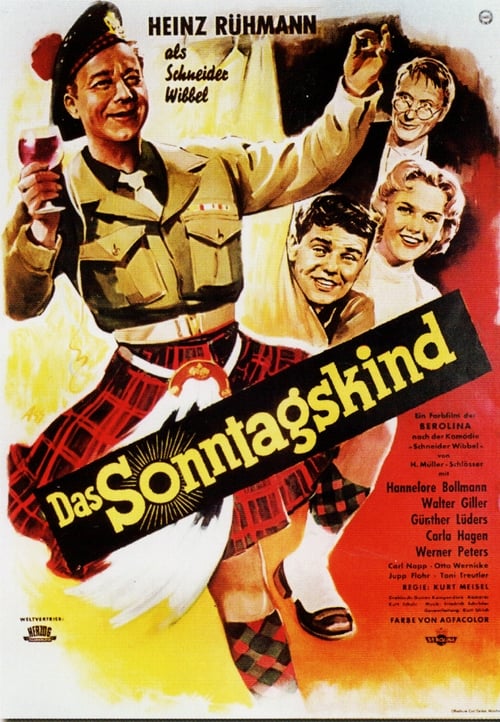
Das Sonntagskind
1956
No user ratings available yet
Representation score: 2.7 out of 10
No Poster Available
Representation Score
Limited
1950
12Director
Heinz Paul
Runtime
85 minutes
Average Rating
No ratings yetNew Showbiz Analysis
Glück aus Ohio is a product of its 1950s temporal context, functioning as a traditionalist artifact of post-war German cinema. The film adheres to the escapist, lighthearted comedy structures common to director Heinz Paul, which prioritize social cohesion over critical examination. The narrative structure reinforces established social and cultural hierarchies rather than disrupting them. It lacks the intentionality needed to engage with diverse identities or challenge the mid-20th-century status quo. Ultimately, the film serves as a reflection of the era's social mores, emphasizing stable family structures and conventional gender roles without challenging the prevailing demographic presentation.
Category Breakdown
The film does not include any characters with non-conforming gender identities or sexual orientations. It likely reinforces traditional views of gender and sexuality.
Gender roles are traditional, with no indication of women having significant intellectual influence. The narrative likely emphasizes male leadership.
The production reflects a mid-century European setting that prioritizes homogeneous, Western-centric casts. There are no diverse ethnic identities represented.
The story aligns with traditional Western values and conventional morality. It lacks themes that challenge the social status quo.
Disability is likely used as a comedic device rather than a tool for exploring character development. It lacks representation of neurodivergent individuals.
Present on Screen
Limited or Absent
1956
1991
1950
1950
1957
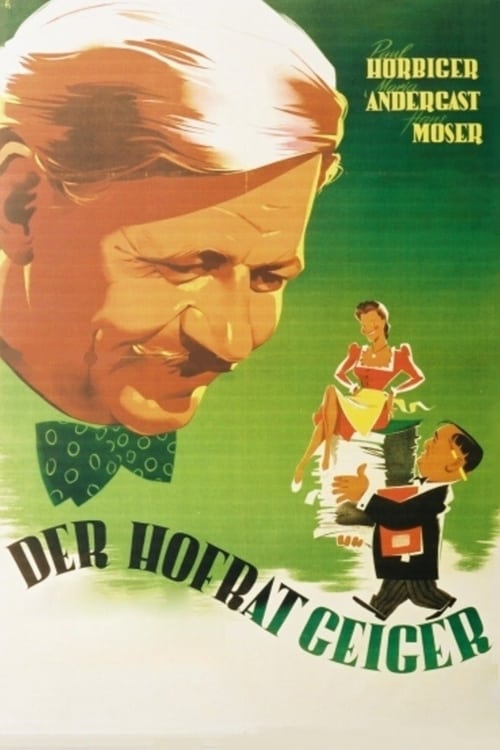
1947
1950
1953
No reviews yet. Be the first to share your thoughts on this movie!
Use the rating form above to leave a star rating and optional review.