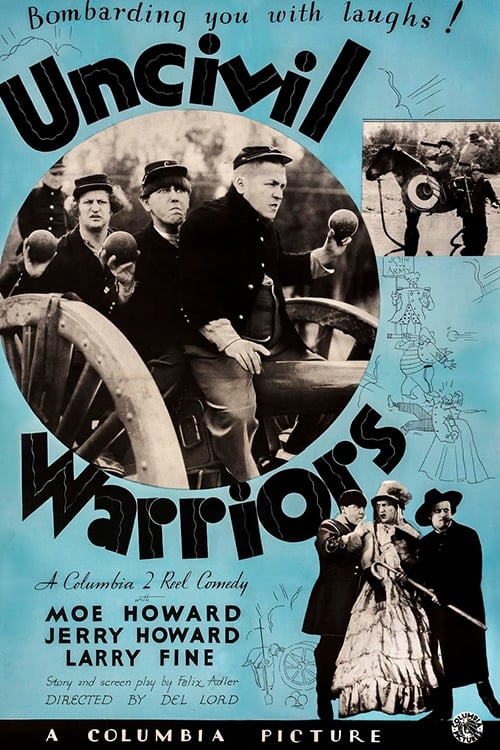
Uncivil Warriors
1935
No user ratings available yet
Representation score: 0.5 out of 10

Representation Score
Minimal
1935
ApprovedDirector
William K. Howard, Sam Wood
Runtime
94 minutes
Average Rating
No ratings yetNew Showbiz Analysis
Rendezvous is a product of the 1930s studio system, emphasizing conventional heroism and institutional loyalty. The narrative structure adheres to established genre clichés that reinforce existing social hierarchies rather than challenging them. The film lacks complexity in representation, offering almost no portrayal of LGBTQ+ individuals or people with disabilities. Its focus on a decoding expert battling spies suggests a patriotic, Western-centric worldview.
Category Breakdown
The film does not include any LGBTQ+ characters or narratives. It follows the social norms of 1935, which did not allow for the depiction of non-straight identities.
Male protagonists likely take center stage, typical for war-comedy plots of this era. Female characters seem to play supporting or romanticized roles without challenging traditional hierarchies.
The film reflects the homogeneous casting standards of the 1930s studio system. The narrative architecture defaults to a Western-centric perspective without showcasing diverse ensemble casts.
The plot emphasizes national security and institutional stability. It upholds state authority and traditional heroism without exploring anti-institutional or secularist themes.
There is no evidence of characters with visible or invisible disabilities. During this era, disability was rarely used as a tool for character development.
Present on Screen
Limited or Absent
Official Synopsis
A decoding expert tangles with enemy spies.
1935
1942
1945
1952

1936
1946
1943
1938
No reviews yet. Be the first to share your thoughts on this movie!
Use the rating form above to leave a star rating and optional review.