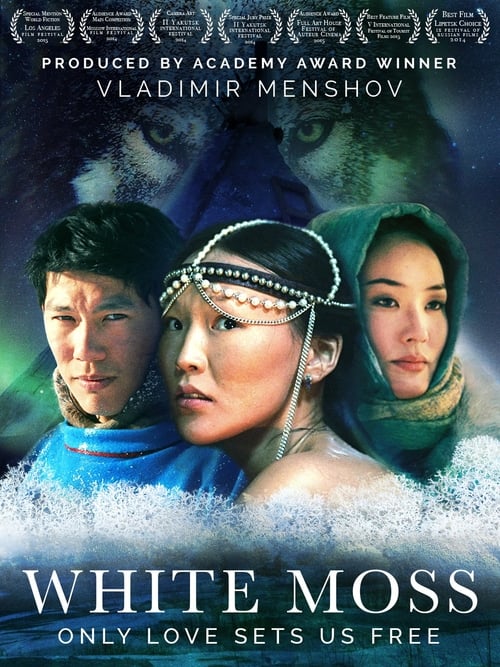
White Moss
2014
No user ratings available yet
Representation score: 4.7 out of 10
No Poster Available
Representation Score
Excellent
2004
Director
Anastasia Lapsui, Markku Lehmuskallio
Runtime
82 minutes
Average Rating
No ratings yetNew Showbiz Analysis
The film offers a powerful critique of colonial cinematic perspectives by centering the Nenets people of the Yamal Peninsula. It avoids the typical ethnographic cliché of the 'civilized' observer and gives high ability to act to its indigenous subjects. The narrative structure effectively challenges Western-centric hierarchies. It replaces conventional family and marriage concepts with complex, culturally specific spiritual connections, such as the betrothal to the deity Num. While the film excels in ethnic and cultural authenticity, it maintains a more traditional storytelling dynamic regarding disability and gender, where the characters' roles are often tied to the act of oral transmission.
Category Breakdown
The film challenges traditional marriage expectations by focusing on a spiritual union between a human and a deity. Though it doesn't address modern LGBTQ identities directly, it presents a non-human relationship as a fundamental social bond.
The story overturns patriarchal structures by highlighting the experiences of an elderly woman who acts as a keeper of culture and wisdom, emphasizing a matriarchal perspective.
The film authentically represents the Nenets people, avoiding the Western perspective by centering the narrative on characters within their own cultural context.
The film prioritizes indigenous spirituality over Western secular or Christian frameworks. It uses oral tradition to critique materialist views and explores culturally specific spiritual obligations.
The blind girl, Ilne, plays a crucial role in the protagonist's storytelling. Her disability is integrated into the narrative dynamics rather than being used as a source of pity.
Present on Screen
Limited or Absent
Official Synopsis
An elderly Nenets woman in teepee on northern Russia's Yamal Peninsula recounts her early life betrothed to a deity for the entertainment of a blind young girl. In the Nenets culture, a girl child can be married to holiest of holies, Num, before or after her birth. Lonely old Numd' Syarda (which means, literally, 'tied to Num') entertains the blind young Ilne ('giver of life') with stories of how she became one of these chosen few.
2014

1983
2013
2004
2017
2017

2000
2016
No reviews yet. Be the first to share your thoughts on this movie!
Use the rating form above to leave a star rating and optional review.