The Gulls
2015
No user ratings available yet
Representation score: 5.7 out of 10
Representation Score
Fair
2014
Director
Vladimir Tumaev
Runtime
100 minutes
Average Rating
No ratings yetNew Showbiz Analysis
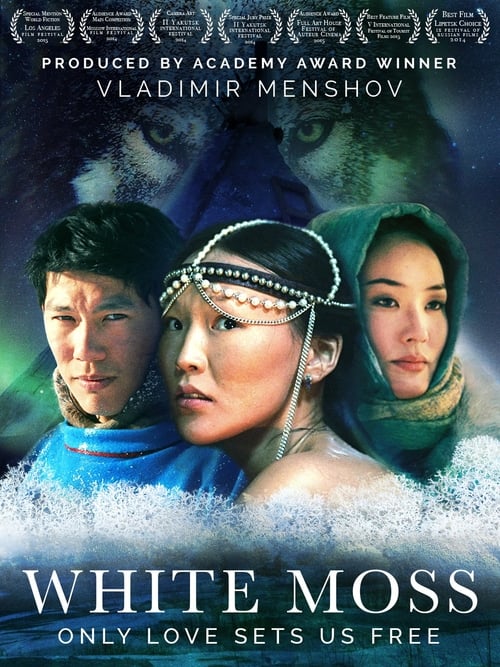
White Moss is a work of ethnographic realism that centers on preserving the narratives of the indigenous Nenets. Its primary strength lies in presenting a non-Western worldview, moving away from homogeneous mainstream perspectives. However, the film remains focused on traditional themes such as duty, lineage, and communal survival. It does not explore the deconstruction of social hierarchies or progressive identity politics. While the film offers significant ethnic ability to act, it lacks representation of LGBTQ+ identities or disability, staying within the bounds of traditional romantic and social structures.
Category Breakdown
The story focuses on traditional Nenets customs and romantic feelings. There are no representations of LGBTQ+ identities or critiques of heterosexual relationships within the narrative.
Gender roles are defined by the needs of the community and survival. Female characters play important roles in driving the plot but operate within traditional obligations rather than challenging gender hierarchies.
The film highlights the Nenets indigenous community. It centers on the Tundra life, providing a significant role in driving the story to a underrepresented group through its focus on their unique culture.
The narrative emphasizes indigenous traditions over Western or Christian morals. It focuses on nomadic survival and communal continuity within a traditional social structure.
There are no characters with visible or invisible disabilities mentioned in the narrative.
Present on Screen
Limited or Absent
Official Synopsis
The story takes place in Tundra. The local camp is preparing for a wedding, if it can be called a wedding in Nenets traditions. There are no guests, no closest or distant relatives, no feast, no songs, no smiles. The bride arrives to the groom’s camp without any attributes of a celebration. Young Alyoshka marries because his mother insists – the chum should not go vacant, the family should not die out. His heart though longs for Ilne, the daughter of old Petko. Ten years ago Ilne left the camp for the mainland. Every day Alyoshka checks the road hopelessly waiting for his love to return.
2015
2003
2010
2017
2004
2018

2009
2020
No reviews yet. Be the first to share your thoughts on this movie!
Use the rating form above to leave a star rating and optional review.