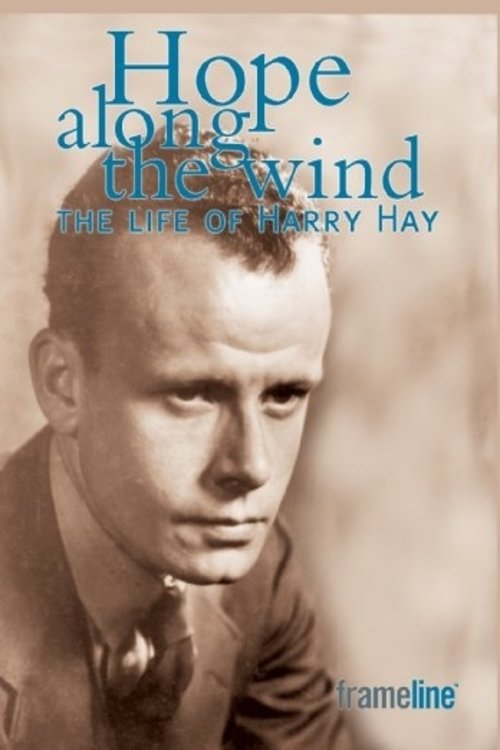
Hope Along the Wind: The Story of Harry Hay
2002
No user ratings available yet
Representation score: 6.8 out of 10
Representation Score
Good
2003
Director
Joan E. Biren
Runtime
57 minutes
Average Rating
No ratings yetNew Showbiz Analysis
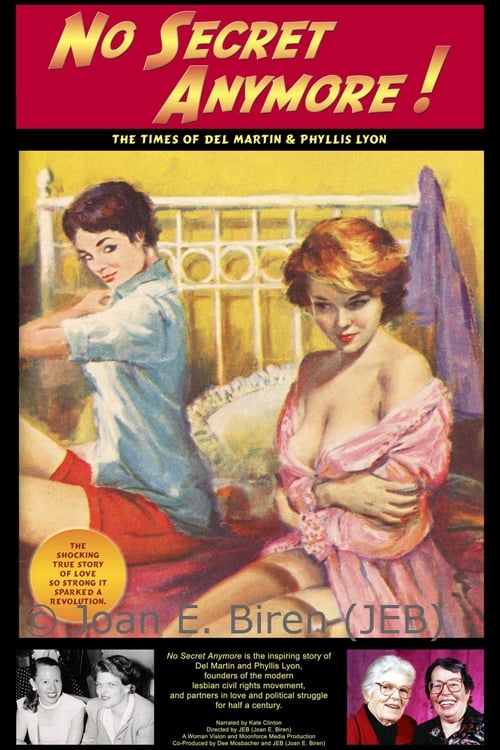
Joan E. Biren creates a foundational document for queer studies by turning personal history into a critique of systemic social structures. The film effectively captures same-sex intimacy and the organizational skills of its subjects, replacing traditional social hierarchies with a model of community resilience and identity-driven activism. However, the film’s historical scope is limited. While it offers deep insights into lesbian feminist history, it lacks the diverse racial representation needed for a more comprehensive multi-ethnic perspective.
Category Breakdown
The film serves as a crucial historical record for lesbian identity. It highlights a fifty-year same-sex relationship and the establishment of the Daughters of Bilitis, offering a blueprint for building queer communities.
Women are depicted as the main agents of political and social change. They exhibit intellectual leadership that challenges traditional domestic roles. Femininity is shown as a tool for radical activism rather than submission.
The story focuses on the lesbian feminist movement within mid-century America. However, it lacks the broad racial diversity found in more contemporary, multi-ethnic historical accounts.
The film critiques traditional Western institutions such as the nuclear family. It emphasizes community-based organizing over conventional social norms. The narrative celebrates authentic, self-determined identity over traditional morality.
There is no significant evidence regarding the portrayal of physical or neurodivergent disabilities within the film.
Present on Screen
Limited or Absent
Official Synopsis
Del Martin and Phyllis Lyon have been partners in love and political struggle for fifty years. With incisive interviews, rare archival images and warmhearted humor, Joan Biren's 2003 film reveals their inspiring public work, as well as their charming private relationship. When they courageously launched the Daughters of Bilitis in 1955, it became the first public organization for lesbians in America. Today, these tireless activists are educating both the LGBT and aging movements on the needs of older lesbians.
2002
1984

2012

2017
1996
1996
2009

2019
No reviews yet. Be the first to share your thoughts on this movie!
Use the rating form above to leave a star rating and optional review.