
Desired
1951
No user ratings available yet
Representation score: 1.8 out of 10
Representation Score
Minimal
1955
Director
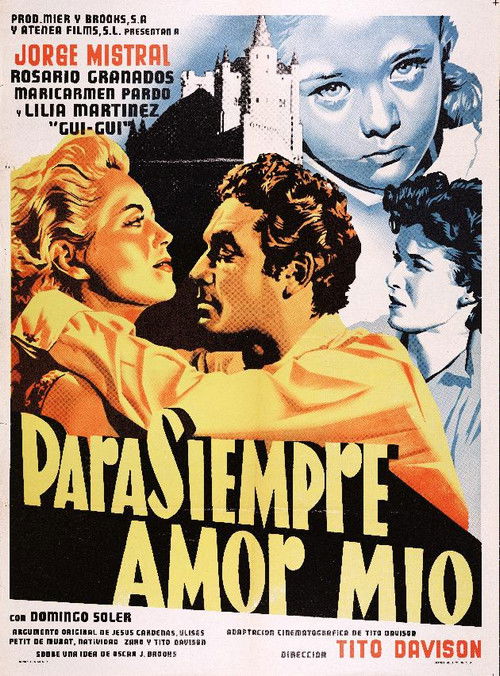
Tito Davison
Runtime
98 minutes
Average Rating
No ratings yetNew Showbiz Analysis
Para siempre amor mío is a product of its era, adhering to the conventional moral and social frameworks of 1950s Latin American cinema. The narrative structure prioritizes traditional dramatic clichés, particularly those involving male autonomy and domestic conflict. The film's themes revolve around a man's pursuit of escape through travel and infidelity, reinforcing rather than critiquing the social hierarchies of the time. It functions as a standard romantic drama of the mid-century period. Ultimately, the work offers very little challenge to the gender or cultural norms prevalent during its production, focusing instead on established patriarchal dynamics.
Category Breakdown
The film focuses on a heterosexual romantic conflict between a husband and two women. There is no evidence of queer subtext or non-traditional gender identities.
The story centers on a male protagonist's dissatisfaction with his wife's professional involvement. This reinforces a traditional hierarchy where male control over the story is prioritized over female involvement.
The production likely reflects the demographic norms of the 1950s. The narrative lacks specific evidence of a diverse or color-blind approach to casting.
The plot relies on traditional Western values regarding family and marriage. It utilizes classic clichés of infidelity without challenging established social norms.
There is no evidence of characters with visible or invisible disabilities within the provided context.
Present on Screen
Limited or Absent
Official Synopsis
A man, annoyed by his wife's interference in the family business, travels to Spain, where he becomes involved with another woman.
1951

1952

1948

1954

1945

1964
1950

1946
No reviews yet. Be the first to share your thoughts on this movie!
Use the rating form above to leave a star rating and optional review.