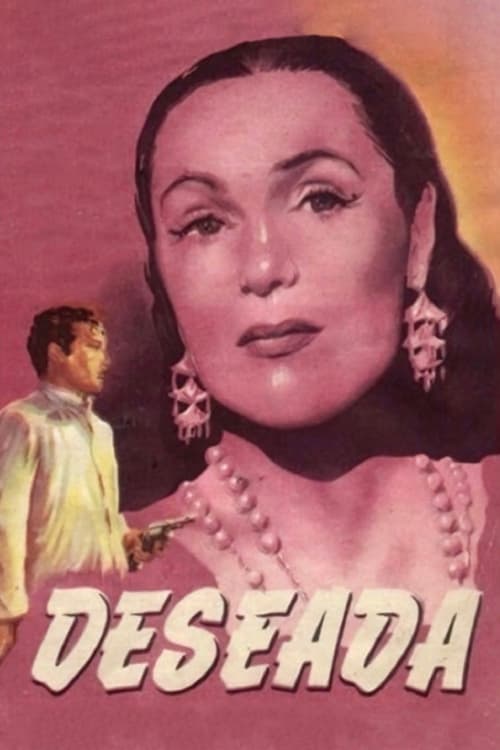
Desired
1951
No user ratings available yet
Representation score: 1.8 out of 10
Representation Score
Minimal
1950
Director
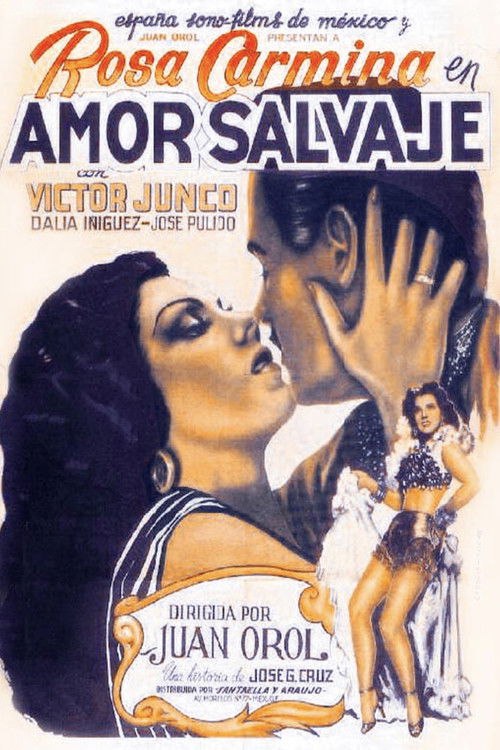
Juan Orol
Runtime
86 minutes
Average Rating
No ratings yetNew Showbiz Analysis
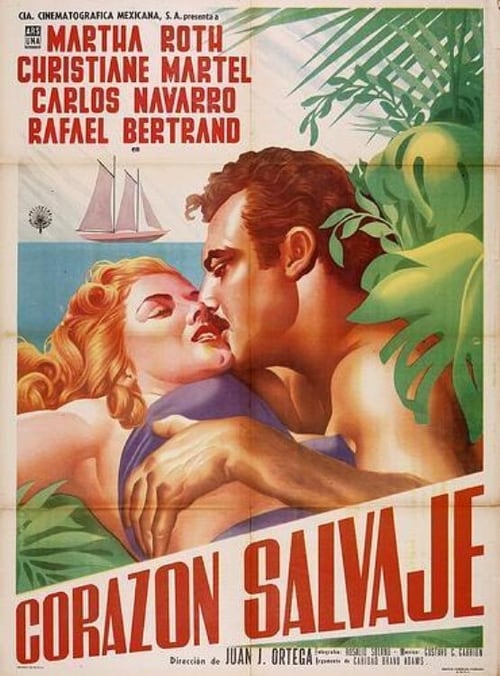
Wild Love is a mid-century melodrama that adheres strictly to the social and narrative conventions of its era. The plot focuses on a central romantic conflict involving Alma, her husband Manuel, and a suitor named Julio. The film functions as a traditional period piece, prioritizing interpersonal morality and domestic tension. It lacks the intentional subversion of social hierarchies or the exploration of the way different parts of someone's identity overlap. Ultimately, the work serves as a reflection of 1950s storytelling norms, emphasizing established romantic structures over the deconstruction of systemic power or diverse representation.
Category Breakdown
The film follows a conventional romantic triangle between a husband and a suitor. There is no evidence of LGBTQ+ identities or narratives that challenge the assumption that everyone is straight or cisgender.
Alma drives the emotional core of the plot within a traditional domestic framework. However, the narrative relies on established romantic clichés rather than subverting gendered power dynamics.
As a Mexican production, the film operates within a non-Anglo-Saxon cultural context. There is no specific evidence of characters reflecting multiple aspects of diversity beyond the era's standard regional representation.
The story centers on marriage, family, and romantic pursuit. It reinforces mid-century values regarding interpersonal morality and social stability rather than exploring anti-institutional themes.
There is no information suggesting the inclusion of characters with visible or invisible disabilities.
Present on Screen
Limited or Absent
Official Synopsis
Alma leaves Panama to go live with her aunt Antonia and with Manuel, her husband. There she meets Julio, who tries to woo her.
1951
1970
1945
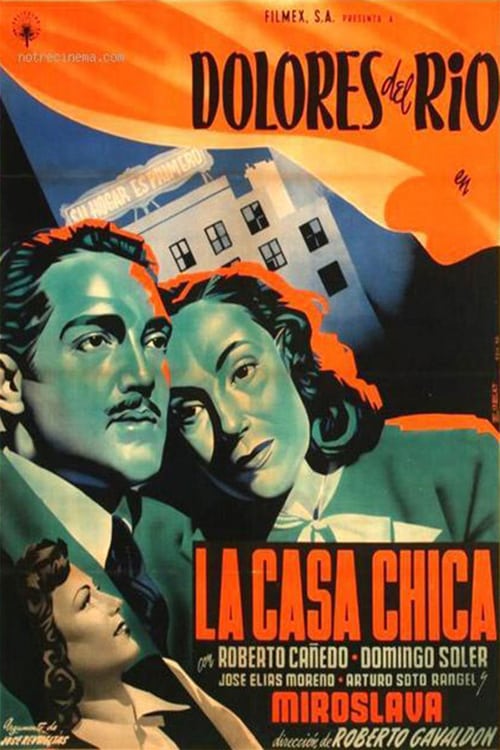
1950
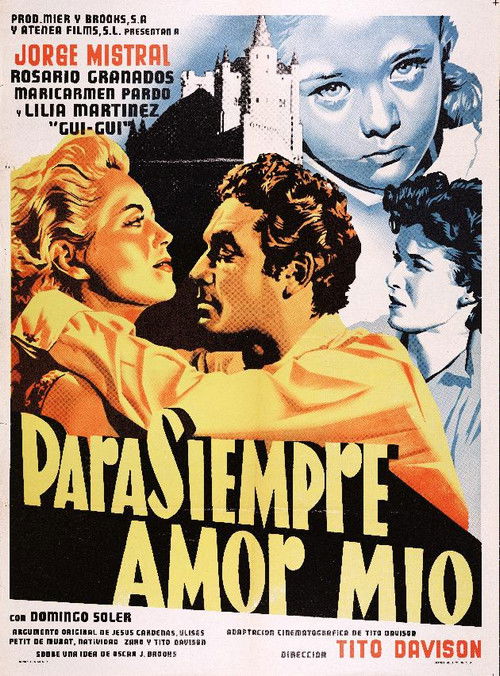
1955
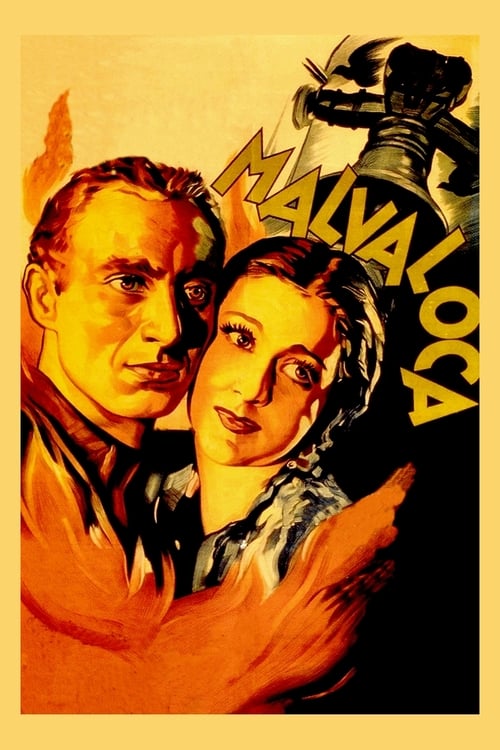
1942
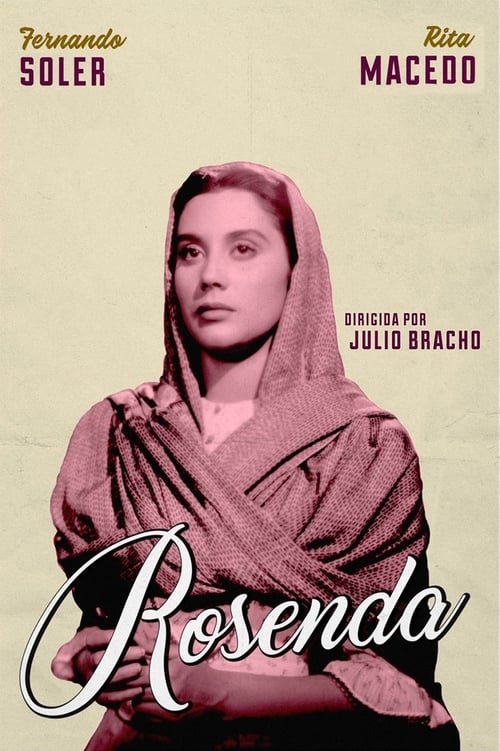
1948
1956
No reviews yet. Be the first to share your thoughts on this movie!
Use the rating form above to leave a star rating and optional review.