Budapest, pont suspendu
1896
No user ratings available yet
Representation score: 1.4 out of 10
No Poster Available
Representation Score
Fair
1896
Director
Charles Moisson
Runtime
1 minutes
Average Rating
No ratings yetNew Showbiz Analysis
This early documentary serves as a straightforward historical record of people waiting for a Lumiere production. Since it is an observational piece rather than a constructed narrative, it lacks character development, dialogue, or intentional thematic messages. The film does not engage with the overlapping aspects of identity or challenge societal norms. Instead, it captures the standard social behaviors and demographic realities of 1896 Vienna. Ultimately, the work functions as a primary document of early cinema, reflecting the social norms of its time without trying to represent specific underrepresented identities.
Category Breakdown
There are no clear LGBTQ+ characters or stories in the film. It focuses on documenting a public queue without highlighting specific identities.
Women are shown within the conventional social roles of late 19th-century Vienna. The footage captures typical social organization without challenging traditional gender roles or domestic duties.
The crowd mirrors the demographics of Central Europe in 1896. The film features a predominantly homogeneous cast, sticking to the era's standard demographic makeup without showing any non-white individuals.
The footage captures a moment of technological wonder rather than a critical look at culture. It doesn't delve into themes of religion, capitalism, or anti-establishment ideas.
The observational nature of this documentary does not provide any indication of how individuals with disabilities are portrayed.
Present on Screen
Limited or Absent
Official Synopsis
People waiting in line for, what one can only assume, a Lumiere production.
1896
1897
1896
1896
1897
1896
1897
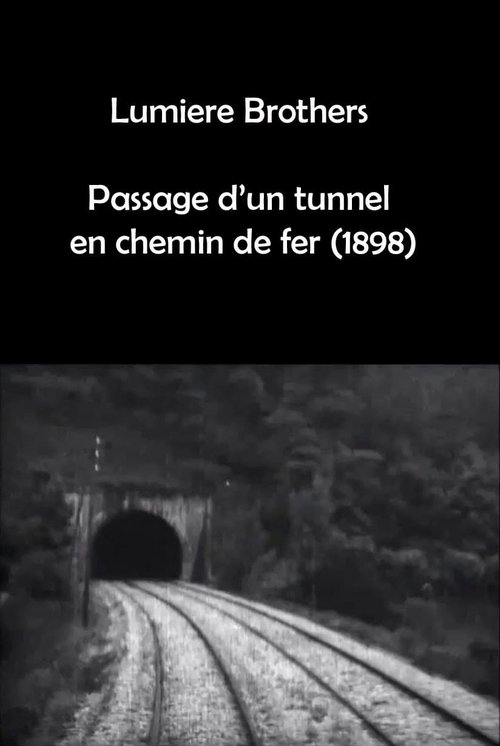
1898
No reviews yet. Be the first to share your thoughts on this movie!
Use the rating form above to leave a star rating and optional review.