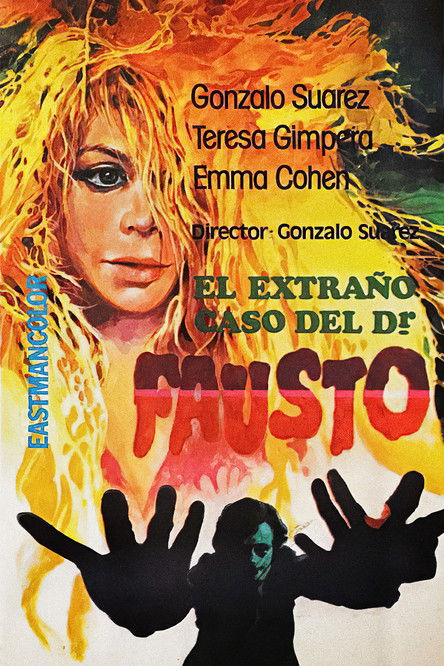
The Strange Case of Doctor Faust
1969
No user ratings available yet
Diversity score: 3.5 out of 10

1930
Director
Jorge Brum do Canto
Runtime
45 minutes
Average Rating
No ratings yetSynopsis
This film tells the story of Gonthramm, a young knight who sought in vain for the Holy Grail and, on the way back to join his bride, Galeswithe, is met by Queen Banschi in the nightmarish realm of the Sylphs. Brum do Canto based the story on Charles-Marie Leconte de Lisle's Les Elfes.
Overall Score
Limited
Category Breakdown
LGBTQ+ Representation
The story centers on a heteronormative romantic structure between Gonthramm and his bride, Galeswithe. There is no evidence of non-cisnormative identities or narratives that critique traditional sexual orientations.
Gender Representation
Characters appear to follow traditional chivalric roles, with the male knight as the active protagonist and the female bride as the destination. Queen Banschi offers a female figure of power, though her role lacks evidence of subverting gender hierarchies.
Racial & Ethnic Diversity
Set within a mythic European context, the film likely reflects the homogeneous casting standards of 1929. There is no indication of diverse racial representation or the use of non-human species as metaphors for race.
Religious & Cultural Diversity
The film is deeply embedded in Western mythic traditions and Christian symbolism, specifically the pursuit of the Holy Grail. It operates within established early 20th-century European fantasy frameworks rather than challenging them.
Disability Representation
The narrative provides no mention of characters possessing visible or invisible disabilities. Consequently, there is no representation of disability within the known story.
Strengths
Areas for Improvement
AI Analysis
The Dance of the Paroxysms is a traditional fantasy drama that adheres strictly to the mythic archetypes of its era. Its narrative structure follows a classical heroic quest, prioritizing established literary tropes over modern explorations of identity. The film functions within a conventional framework, focusing on chivalric romance and Western spiritual symbols. It lacks the subversion of social hierarchies or the intersectional complexity found in contemporary cinema. Ultimately, the work serves as a period-specific reflection of early 20th-century storytelling, emphasizing classical heroism and traditional gender and cultural roles.
1969
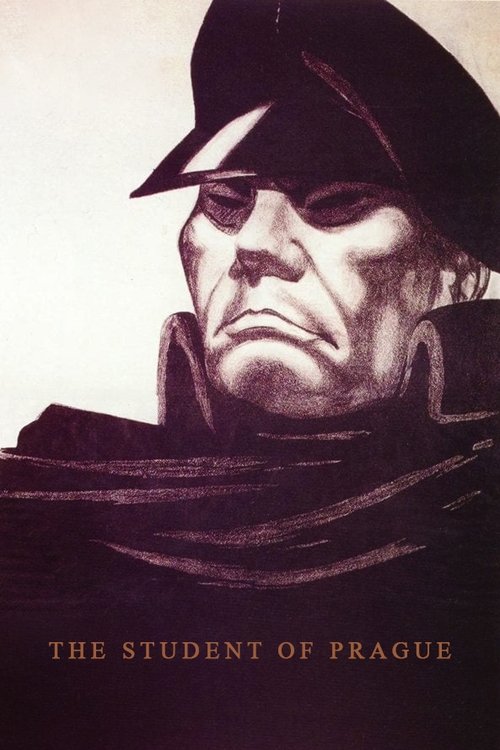
1913
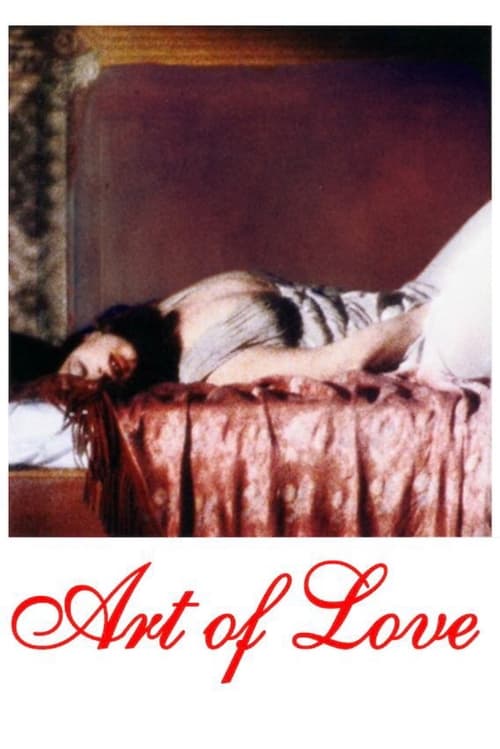
1983

1916
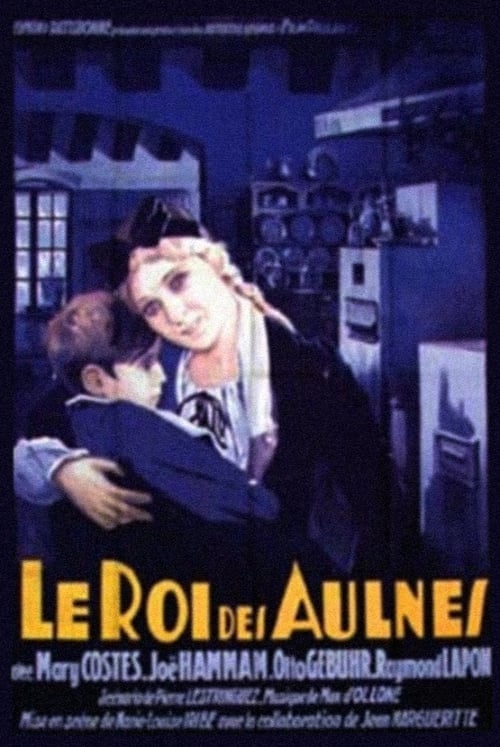
1931
1912
2002
1973
1985
1974
1928

2012
No reviews yet. Be the first to share your thoughts on this movie!
Use the rating form above to leave a star rating and optional review.