Juan Pistolas
1966
No user ratings available yet
Representation score: 4.0 out of 10
Representation Score
Fair
1967
TV-GDirector
René Cardona Jr.
Runtime
0 minutes
Average Rating
No ratings yetNew Showbiz Analysis
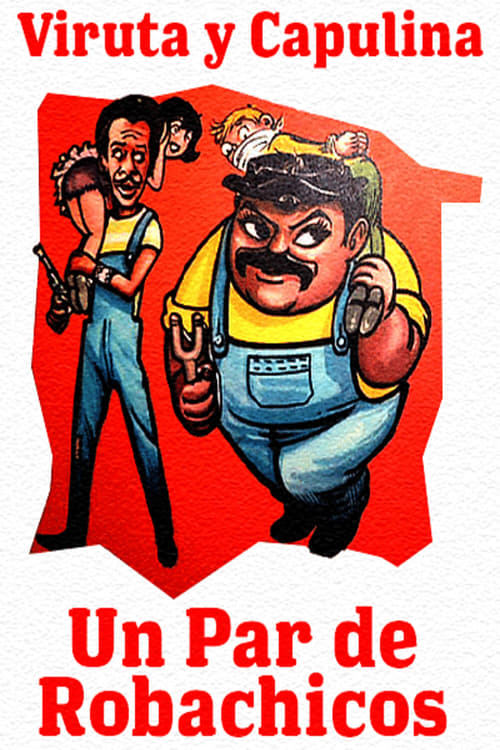
Un par de robachicos functions as a conventional genre piece of its era. It operates within the established cultural and demographic norms of 1960s Mexican commercial cinema rather than attempting to subvert them. The film lacks the narrative complexity or intentionality required to disrupt traditional social hierarchies. It follows the standard structural implications of mid-century adventure-comedy productions. Overall, the work reflects the era's reliance on traditional roles and regional casting without pushing for progressive representation or systemic critique.
Category Breakdown
The film adheres to the social norms of 1960s family-oriented adventure cinema. There are no queer narratives or critiques of the assumption that everyone is straight or cisgender.
The film likely uses traditional gender roles common to the era. Female characters appear to lack the ability to act needed to disrupt established masculine leadership hierarchies.
As a Mexican production, the film offers a non-Anglo-Saxon cast. However, it lacks depth in representing multiple aspects of identity and does not intentionally challenge the lasting effects of historical colonization.
The narrative aligns with traditional social structures and promotes stable social cohesion. It shows no indication of secularist prioritization or the deconstruction of Western institutions.
There is no documented evidence of characters with disabilities driving the plot. Any presence of disability would likely serve as a plot device rather than a medium for ability to act.
Present on Screen
Limited or Absent
1966
1980
1969
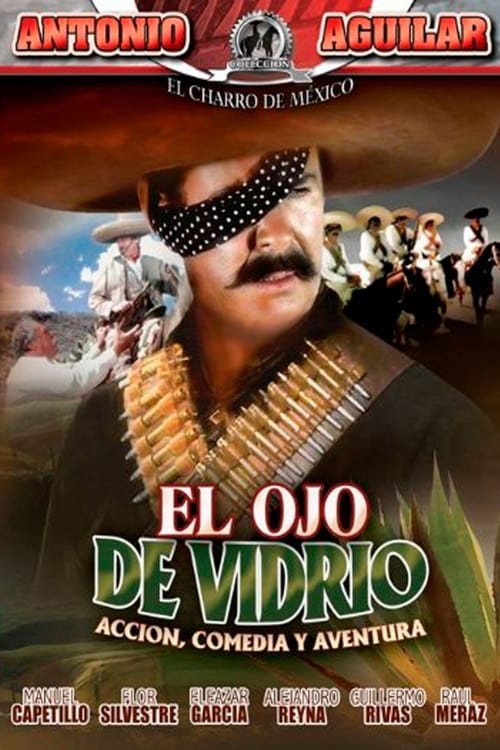
1969
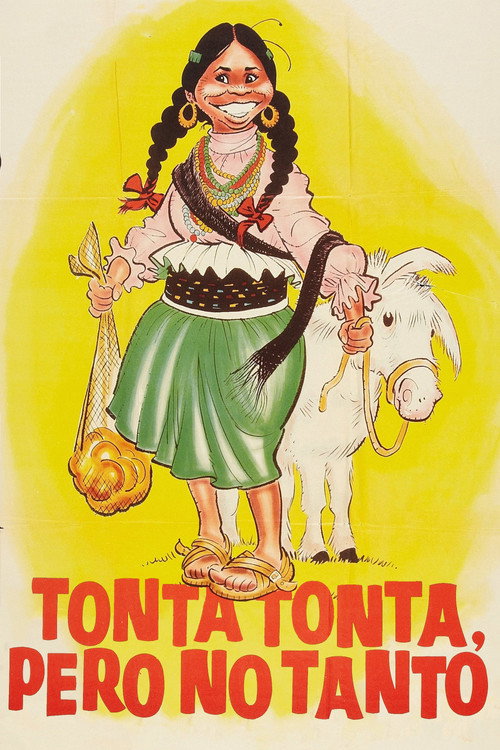
1972
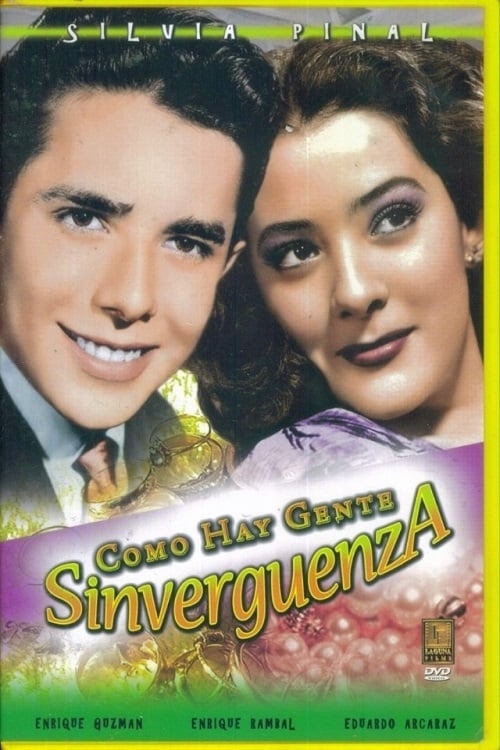
1972
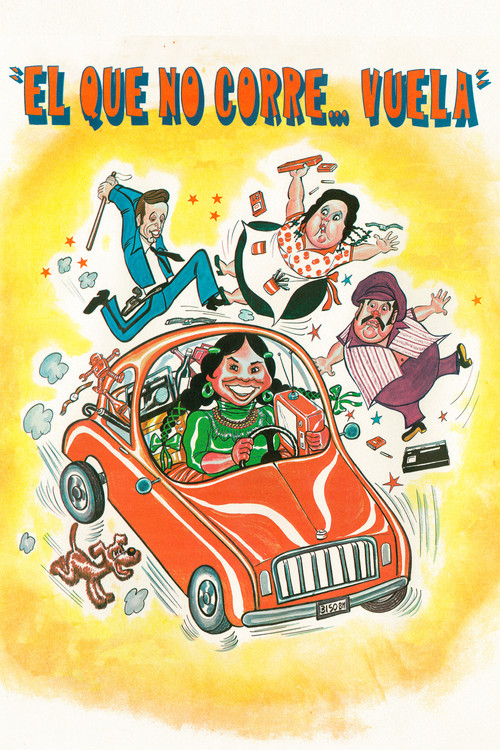
1982
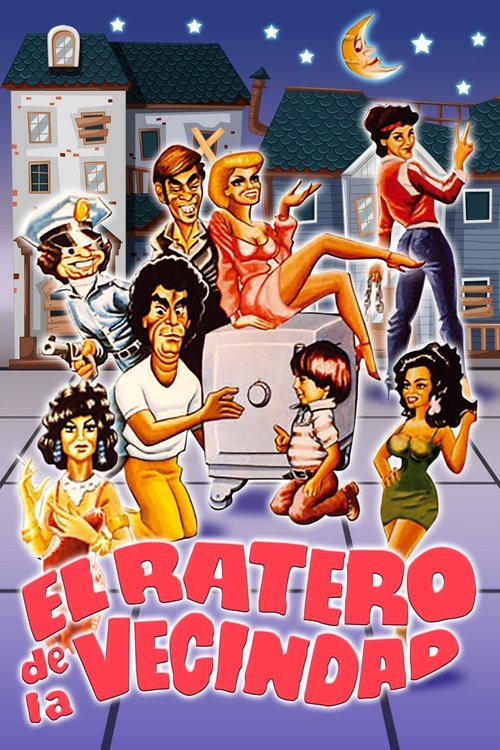
1982
No reviews yet. Be the first to share your thoughts on this movie!
Use the rating form above to leave a star rating and optional review.