
Pennies from Heaven
1981
No user ratings available yet
Diversity score: 4.5 out of 10
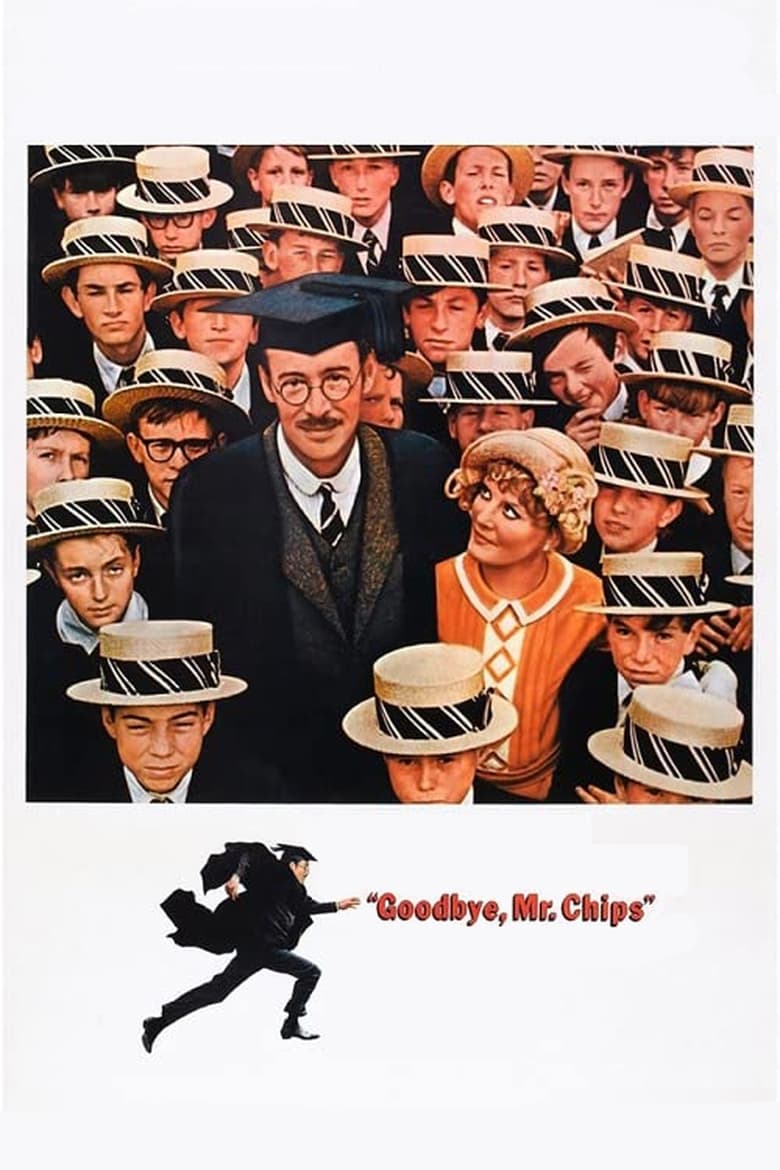
1969
GDirector
Herbert Ross
Runtime
155 minutes
Average Rating
No ratings yetSynopsis
Academy Award-honoree Peter O'Toole stars in this musical classic about a prim English schoolmaster who learns to show his compassion through the help of an outgoing showgirl. O'Toole, who received his fourth Oscar-nomination for this performance, is joined by '60s pop star Petula Clark and fellow Oscar-nominee Michael Redgrave.
Overall Score
Minimal
Category Breakdown
LGBTQ+ Representation
The film follows a strictly heteronormative structure. It focuses entirely on the romantic bond between the protagonist and his wife, offering no queer subtext or non-cisnormative identities.
Gender Representation
While the female lead drives the protagonist's emotional growth, the story remains centered on the male academic experience. Women are largely defined by their relationships to the central male figure.
Racial & Ethnic Diversity
The cast is overwhelmingly homogeneous, reflecting a white, Anglo-Saxon social stratum. The film lacks diverse ethnic perspectives, maintaining a traditionalist view of British institutional life.
Religious & Cultural Diversity
The narrative celebrates Western institutional stability and gentlemanly conduct. It frames traditional pillars like the family and the educational system as essential for community continuity.
Disability Representation
There is no significant focus on visible or invisible disabilities. The story does not utilize disability as a tool for character development or a central plot device.
Strengths
Areas for Improvement
AI Analysis
Goodbye, Mr. Chips is a traditionalist period piece that prioritizes historical atmosphere and institutional continuity. It functions as a nostalgic portrait of British academic life, reinforcing the social hierarchies of the early 20th century. The film lacks intersectional depth, presenting a homogeneous view of race and culture. It adheres to conventional social frameworks, focusing on the preservation of established norms rather than exploring diverse identities. Ultimately, the narrative serves to uphold the status quo of its setting, centering on a singular, traditionalist perspective of domestic and professional life.
1981

1957

1937

1966

1992
1947
1950
1950
1943

1954
1947
1968
No reviews yet. Be the first to share your thoughts on this movie!
Use the rating form above to leave a star rating and optional review.