
Bitter Sweet
1940
No user ratings available yet
Representation score: 1.1 out of 10
Representation Score
Minimal
1941
ApprovedDirector
Robert Z. Leonard
Runtime
132 minutes
Average Rating
No ratings yetNew Showbiz Analysis
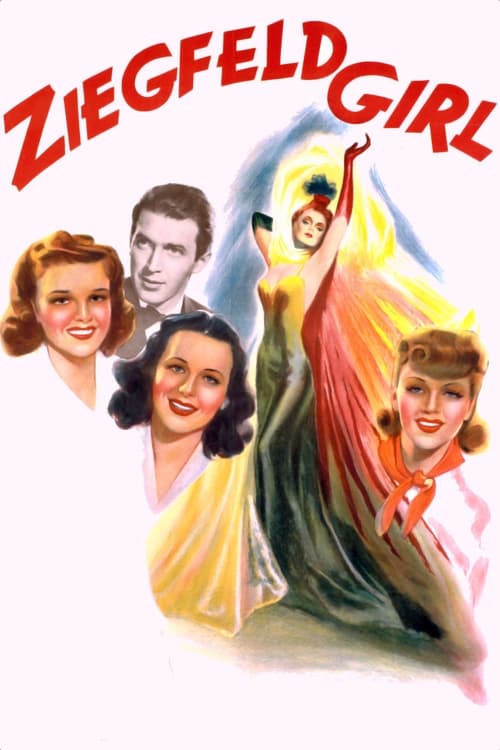
Ziegfeld Girl is a classic product of the classical Hollywood era, prioritizing visual spectacle over diverse representation. The film’s structure is based on established social hierarchies and traditional romantic narratives. While the film offers a nuanced look at women’s professional ambitions in show business, these efforts are confined within the rigid social norms of 1941. The narrative emphasizes individual struggles within a homogeneous racial and cultural context.
Category Breakdown
The film strictly follows the social structures of the 1940s, where everyone is assumed to be straight and cisgender. There are no representations of LGBTQ+ identities or same-sex romantic relationships.
Female characters navigate professional ambitions and the complexities of Broadway. However, their roles are often tied to relationships with men and traditional romantic stories.
The cast is mostly white, reflecting the homogeneity of the 1941 MGM studio system. The film focuses on a narrow, Eurocentric definition of beauty.
The story celebrates the capitalist spectacle of Broadway and the Ziegfeld Follies. It upholds traditional Western values and conventional moral frameworks regarding class mobility.
No characters are shown with visible or invisible disabilities. The narrative does not address neurodivergence or physical impairments.
Present on Screen
Limited or Absent
Official Synopsis
Discovery by Flo Ziegfeld changes a girl's life but not necessarily for the better, as three beautiful women find out when they join the spectacle on Broadway: Susan, the singer who must leave behind her ageing vaudevillian father; vulnerable Sheila, the working girl pursued both by a millionaire and by her loyal boyfriend from Flatbush; and the mysterious European beauty Sandra, whose concert violinist husband cannot endure the thought of their escaping from poverty by promenading her glamor in skimpy costumes.
1940
1936
1929

1933

1937

1981
1942
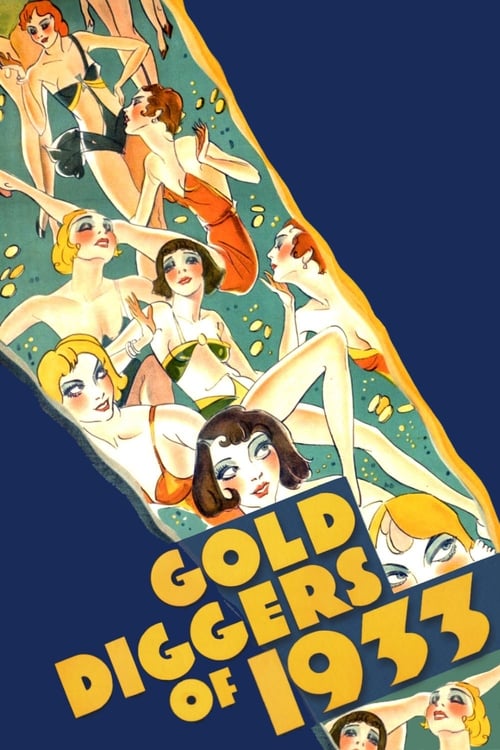
1933
No reviews yet. Be the first to share your thoughts on this movie!
Use the rating form above to leave a star rating and optional review.